


Material Selection for Modern Robotic Track Systems
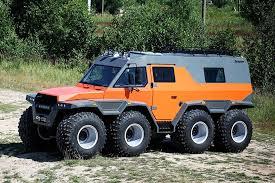
Robotic mobility has become increasingly important as automated equipment moves beyond controlled factory floors into outdoor and industrial environments. Robots used for inspection, exploration, material handling, and specialized operations must navigate surfaces that may contain obstacles, loose materials, or changing ground conditions. Their movement systems directly influence accessibility and operational flexibility. When evaluating Robot Tracks, manufacturers should examine material quality, structural integration, mechanical compatibility, and the conditions in which the robotic platform is expected to work.
Material selection plays a major role in the development of reliable robotic track systems. Rubber is frequently considered because of its flexibility, surface contact characteristics, and ability to accommodate repeated movement. Reinforced rubber structures can support demanding applications where continuous operation and resistance to external wear are important. Metal elements may be incorporated into internal assemblies or drive-related structures to provide mechanical support. Composite materials can also be considered when designers need to balance structural characteristics with the overall weight of the robotic platform.
The working environment should guide material decisions. Indoor industrial robots may encounter dust, oils, and repeated contact with hard floors. Outdoor inspection robots may operate across gravel, grass, wet soil, or uneven concrete. Agricultural robots can face moisture, organic debris, and changing seasonal conditions. Materials should therefore be evaluated according to environmental exposure, cleaning requirements, and their interaction with the surrounding mechanical structure.
Choosing a suitable track system begins with understanding the robot's intended application. A compact inspection robot requires a different mobility arrangement from a larger industrial platform designed to transport equipment. Some robots need to pass through narrow spaces, while others must travel across rough ground or negotiate obstacles. Buyers should consider the overall chassis configuration, payload requirements, available installation space, turning characteristics, and maintenance resources. A product that appears suitable in general may still be inappropriate if its configuration does not match the robotic platform.
Mechanical engineering determines how the track system interacts with the rest of the robot. A typical tracked arrangement involves continuous track construction, supporting wheels, drive components, and a mechanism for maintaining appropriate track alignment. These parts work together to transfer movement to the ground. Their coordination influences traction, maneuverability, stability, and the ability to maintain consistent contact with uneven surfaces. A practical design should also allow technicians to inspect important assemblies without unnecessarily dismantling the entire robot.
Drive technology is another important consideration. Electric motors, transmission components, control units, and sensors influence how robotic platforms respond to operating commands. The mobility system must work with these elements to support predictable movement. In autonomous applications, track movement also interacts with navigation software, obstacle detection, and route planning. Engineers should consider how the mechanical system responds when the robot encounters different surface conditions or needs to change direction within restricted spaces.
The working environment can change during a single assignment. A robot may begin on a smooth factory floor, move through a maintenance corridor, and enter an area containing loose debris. Outdoor exploration platforms may encounter grass, gravel, muddy sections, and small obstacles along one route. Track configuration, chassis clearance, ground contact, and weight distribution all contribute to how the robot responds to these transitions. Buyers should assess the entire mobility platform instead of focusing exclusively on the track material.
Maintenance is essential for equipment expected to operate regularly. Dust, stones, mud, and other foreign materials can accumulate around moving assemblies. Routine inspection helps identify unusual wear, surface damage, and alignment issues before they affect normal operation. Track systems that allow convenient cleaning and component replacement can simplify maintenance procedures. Manufacturers should also consider whether replacement components are readily available and whether technicians can perform ordinary servicing efficiently.
Design and appearance should support the robot's actual function. Compact robotic platforms may need protective housings that shield electronic components without obstructing track movement. Larger industrial robots may require accessible mechanical assemblies for inspection and maintenance. Track covers, chassis contours, and protective panels should be arranged to avoid interference with sensors, cameras, communication equipment, and other working devices. A coordinated design can improve both practical usability and the overall appearance of the machine.
Purchasing decisions should also consider the supplier's manufacturing capabilities and experience with specialized mobility products. Manufacturers developing robots for different industries may require customized configurations, consistent component quality, and technical communication throughout product development. Clear discussions about the intended application help identify compatible solutions and reduce unnecessary design changes.
LIN HAI HAISDER MACHINERY CO.,LTD. develops specialized tracked utility vehicles and amphibious platforms for demanding outdoor environments, including agriculture, emergency response, and industrial applications. Its experience with tracked mobility and vehicle engineering provides relevant insight for buyers researching Robot Tracks and related mobility solutions. To explore the company's specialized vehicle products and manufacturing capabilities, visit its official website at https://www.chinahaishida.com.
- Technology for Students
- Admissions & Applications
- Online Courses
- Career and Jobs
- Campus Life
- Drinks
- Film
- Fitness
- Food
- Παιχνίδια
- Gardening
- Health
- Κεντρική Σελίδα
- Literature
- Music
- Networking For Students
- Insights
- Party
- Religion
- Shopping
- Sports
- Theater
- Wellness
- Education News
- Business & Finance For Students
- Security, Law & Crime Education
- Insurance
- Science & Technology For Students
 Greek
 English
 Arabic
 French
 Spanish
 Portuguese
 Deutsch
 Turkish
 Dutch
 Italiano
 Russian
 Romaian
 Portuguese (Brazil)