


The Technology Behind a Comfortable Electric Ear Hair Trimmer
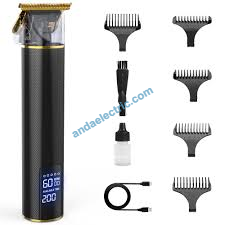
Ear hair grooming is one of those small routines that quietly affects how you look and feel. Yet the tool you choose matters far more than most people realize. A well-made Electric Ear Hair Trimmer addresses the delicate nature of the ear canal while delivering a clean, comfortable result without the risks of scissors or wax. The materials used in construction, the way the device sits in your hand, and the thought put into blade safety all contribute to whether the experience feels effortless or anxious.
The materials in an ear hair trimmer are not merely cosmetic choices. The blade housing, usually crafted from stainless steel, determines how cleanly hair is cut and how long the edge remains sharp. Stainless steel resists corrosion from repeated cleaning and stays hygienic in a damp bathroom environment. The outer body, by contrast, often uses ABS plastic or rubberized coatings that provide grip without slipping when your hands are wet. A manufacturer with decades of experience in personal care understands that material selection directly affects durability and user confidence. A trimmer that feels solid but not heavy, with a blade head that detaches easily for rinsing, reflects attention to the full lifecycle of the product.
When shopping for an ear hair trimmer, the first question to ask is how the device will be used. Some users trim weekly; others reach for the tool once a month. Frequency affects battery preference: disposable batteries suit infrequent users who do not want to remember charging cables, while rechargeable models appeal to regular groomers who value convenience. The second consideration is the cutting head. Rotary blades enclosed within a rounded guard are the standard for ear and nose trimmers because the guard prevents the moving blade from contacting skin. Look for a head that can be removed and washed, as hair and debris accumulate quickly in the narrow slots. Finally, consider noise. A quieter motor makes the experience less jarring, particularly for users who are sensitive about inserting anything near the ear.
The core technology of an ear hair trimmer is deceptively simple: a small motor spins a blade inside a protective cage. What separates a good trimmer from a frustrating one is how precisely that system is executed. Dual-edge blades cut hair entering from multiple angles, reducing the need to reposition the device repeatedly. Some models incorporate a vacuum mechanism that collects clippings as they are cut, sparing the bathroom sink from a scattering of fine hair. Others include built-in LED illumination, which helps users see inside the ear canal where overhead lighting cannot reach. These features are not gimmicks. They address real moments of uncertainty during grooming, when visibility is poor and the margin for error feels small.
The measure of an ear hair trimmer is taken in the bathroom, not on a specification sheet. Does the device turn on smoothly, or does it require a firm press that shifts its position in your hand? Does the blade pull hair, or does it glide through without tugging? A well-designed trimmer produces a gentle vibration rather than a harsh buzz, and the rounded tip moves against the ear canal without scratching. The cleaning routine matters too. A head that twists off with a quarter turn and rinses clean in seconds encourages consistent hygiene; a head that requires fiddling with tiny brushes discourages it. These small interactions accumulate into whether you trust the tool or approach each use with mild dread.
Aesthetics in grooming tools serve a practical purpose. A trimmer that looks approachable is more likely to be used regularly. The trend in contemporary designs favors compact bodies, matte finishes, and minimal branding—objects that feel at home on a bathroom shelf rather than hidden in a drawer. Ergonomic shaping, including subtle contours where the thumb and fingers rest, reduces hand fatigue during the brief but precise movements required inside the ear. Some designs take a pen-like form, making storage easy and travel effortless. Others adopt a slightly wider body for users who prefer a more substantial grip. Neither is inherently better; the right choice depends on how you hold the tool and where you keep it.
Choosing a grooming tool that balances thoughtful materials, reliable blade technology, and comfortable handling makes the daily routine noticeably smoother, and a dependable Electric Ear Hair Trimmer ultimately earns its place through the confidence it inspires each time you pick it up. For buyers who value practical guidance shaped by real manufacturing insight, exploring a focused resource on essential features can clarify what to look for before making a decision, and https://www.andaelectric.com/ offers exactly that kind of grounded perspective worth reading before your next purchase.
- Technology for Students
- Admissions & Applications
- Online Courses
- Career and Jobs
- Campus Life
- Drinks
- Film
- Fitness
- Food
- Oyunlar
- Gardening
- Health
- Home
- Literature
- Music
- Networking For Students
- Insights
- Party
- Religion
- Shopping
- Sports
- Theater
- Wellness
- Education News
- Business & Finance For Students
- Security, Law & Crime Education
- Insurance
- Science & Technology For Students
 Turkish
 English
 Arabic
 French
 Spanish
 Portuguese
 Deutsch
 Dutch
 Italiano
 Russian
 Romaian
 Portuguese (Brazil)
 Greek