


How Equipment Design Influences Airflow Stability and Maintenance
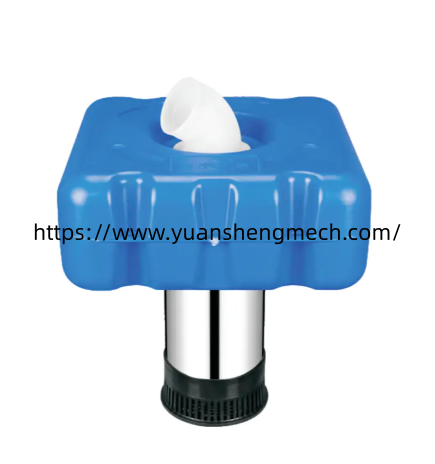
Air movement plays an important role in many industrial and agricultural processes, particularly in environments where continuous airflow is necessary for maintaining stable operating conditions. From fish farming and wastewater treatment to material handling and equipment ventilation, suitable air delivery systems can improve the efficiency of daily operations. The Vortex Ring Blower is designed to generate a continuous flow of air through a rotating impeller and specialized airflow passages. Its practical applications depend on structural quality, material selection, operating characteristics, and compatibility with the surrounding equipment.
Material quality is an important consideration in blower manufacturing because different components experience different mechanical and environmental conditions. The housing needs to protect internal parts while maintaining structural stability during operation. Cast aluminum is commonly considered for blower housings because it combines relatively low weight with useful mechanical strength and heat dissipation characteristics. Reinforced metal materials may also be selected for components that require additional structural support.
The impeller is another essential component. Its shape, surface finish, and manufacturing accuracy influence how air moves through the blower. A carefully manufactured impeller helps maintain rotational balance and supports consistent airflow. The shaft, bearings, sealing elements, and connecting components also contribute to the overall mechanical condition of the equipment. Material compatibility between these parts is important because differences in wear characteristics and thermal behavior can influence long-term operation.
Protective surface treatments can further support equipment durability, especially when blowers are installed in environments exposed to humidity, dust, or industrial contaminants. Manufacturers need to consider not only the appearance of the finished product but also the suitability of its materials for the intended working environment.
Selecting appropriate air-moving equipment requires a clear understanding of the application. Aquaculture farms, wastewater treatment facilities, and manufacturing workshops may have different airflow requirements and installation conditions. Buyers should first identify whether the equipment will be used for water aeration, pneumatic conveying, suction, ventilation, or another process. Understanding the actual purpose helps narrow down the available product options.
The surrounding system also deserves attention. Air pipes, filters, valves, diffusers, and connection fittings can influence the performance of the complete installation. For example, an aeration system used in fish farming needs to distribute air through suitable piping and water diffusers. A blower selected without considering the resistance and layout of the connected equipment may not deliver the expected results.
Purchasers should also examine installation space, ventilation around the motor, operating environment, maintenance accessibility, and manufacturer support. Comparing product construction and application guidance is often more useful than relying entirely on general product descriptions. For distributors and industrial buyers, consistent manufacturing quality and dependable access to replacement components can also influence purchasing decisions.
The operating principle of vortex blowers involves accelerating air through a rotating impeller and directing it through specially designed passages. As air circulates within the blower chamber, energy is transferred to the moving air, creating pressure and supporting continuous delivery. This operating approach makes the equipment suitable for applications requiring controlled airflow and pressure rather than simply moving large quantities of air through an open space.
One useful characteristic of this equipment category is its ability to support both pressure and vacuum applications, depending on the system arrangement and model design. In aquaculture, the blower can supply air to diffusers positioned underwater, producing bubbles that encourage oxygen exchange. In wastewater treatment, air delivery supports biological processes in which microorganisms require oxygen to break down organic substances. Other applications include pneumatic transportation, industrial suction, and equipment cooling.
Many vortex blower designs use oil-free air handling arrangements, avoiding the need for oil lubrication inside the airflow path. This can be beneficial in applications where clean air delivery is important. However, the actual operating characteristics depend on the specific construction, installation, and working conditions. Proper ventilation, electrical protection, and adherence to manufacturer instructions remain essential for reliable use.
For operators, equipment convenience is closely related to installation and maintenance. A blower with an accessible housing and organized component arrangement can make inspection easier. Users should be able to identify important connection points and carry out routine checks without unnecessarily dismantling the entire assembly. Clear installation instructions are particularly valuable for businesses integrating new equipment into existing production or water treatment systems.
Regular maintenance helps preserve equipment condition. Operators should inspect air inlets, filters, external connections, cooling passages, and mounting structures. Dust accumulation can restrict airflow, while loose connections or abnormal vibration may indicate mechanical problems. Keeping the surrounding area clean and ensuring adequate ventilation can also support normal operation. Manufacturers that provide practical technical assistance help customers understand these maintenance requirements and manage equipment throughout its working life.
The appearance and structural arrangement of a blower reflect its manufacturing approach. A compact housing can simplify installation in workshops or equipment rooms where available space is limited. Carefully arranged inlet and outlet connections make integration with external piping more convenient, while protective covers help shield important components. A well-finished exterior also contributes to easier cleaning and routine inspection.
Design development increasingly focuses on balancing mechanical performance with everyday usability. Manufacturers consider impeller geometry, housing structure, airflow passages, heat management, and vibration control when improving product construction. These details influence not only how the blower operates but also how conveniently it can be installed and maintained in different working environments.
Taizhou Yuansheng Aquacul Ture Machinery Co., Ltd. develops and manufactures aquaculture and air-moving equipment, including high-pressure vortex air blowers and other machinery for water management applications. Its product range serves customers involved in fish pond aeration, agricultural operations, wastewater treatment, and related industrial activities. Businesses, equipment distributors, and aquaculture operators interested in exploring its blower products and manufacturing capabilities can find further information at https://www.yuanshengmech.com/.
- Technology for Students
- Admissions & Applications
- Online Courses
- Career and Jobs
- Campus Life
- Drinks
- Film
- Fitness
- Food
- Παιχνίδια
- Gardening
- Health
- Κεντρική Σελίδα
- Literature
- Music
- Networking For Students
- Insights
- Party
- Religion
- Shopping
- Sports
- Theater
- Wellness
- Education News
- Business & Finance For Students
- Security, Law & Crime Education
- Insurance
- Science & Technology For Students
 Greek
 English
 Arabic
 French
 Spanish
 Portuguese
 Deutsch
 Turkish
 Dutch
 Italiano
 Russian
 Romaian
 Portuguese (Brazil)