


Material Selection in Cushion Manufacturing
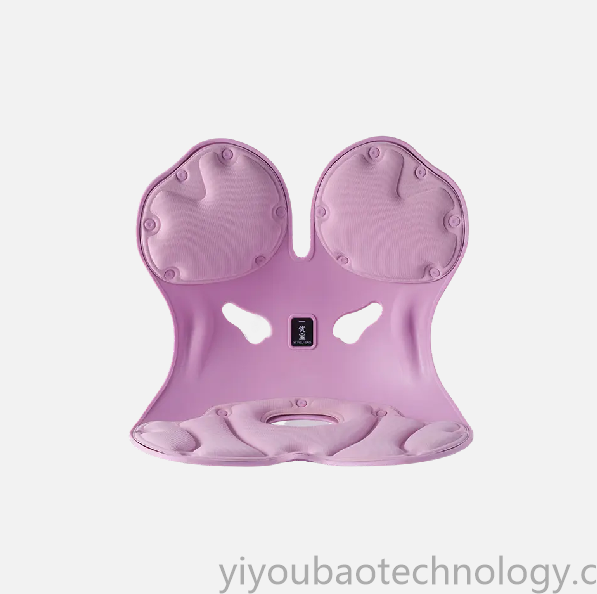
The quality of a seating cushion depends on how well its materials, shape, and construction meet the needs of its intended application. Furniture brands and distributors need products that provide consistent comfort while maintaining their appearance and structure through everyday use. Working with a capable Lumbar Support Cushion Manufacturer allows buyers to evaluate these factors throughout the development and production process. Material knowledge, ergonomic design, manufacturing controls, and communication all contribute to the reliability of the finished product.
Material selection is one of the first decisions in cushion development. Foam materials differ in firmness, density, elasticity, compression response, and recovery behavior. These characteristics influence how a cushion responds when pressure is applied and how effectively it returns toward its original shape. A material that feels comfortable during a brief evaluation may behave differently after repeated compression. Manufacturers should therefore assess material suitability according to the intended application and expected usage conditions.
The internal structure determines how the cushion maintains its intended profile. Products designed for lower-back support may use curved surfaces and carefully balanced thickness to improve contact with the backrest and the user's body. A cushion that is too flat may not provide the intended contour, while an excessively prominent shape may feel restrictive for some users. Designers should consider the chair's dimensions, backrest curvature, and available attachment space before finalizing the product. Prototype evaluation helps determine whether the structure is suitable for the target seating environment.
Cover materials influence appearance, surface comfort, and maintenance. Fabric, mesh, and other upholstery options offer different combinations of breathability, texture, abrasion resistance, and cleaning convenience. Products for office environments may prioritize airflow and a professional appearance, while cushions for shared commercial spaces may require surfaces that are easier to maintain. The cover should fit securely around the internal filling without creating unnecessary tension or loose areas. Stitching quality, edge finishing, and seam placement also affect the product's resistance to everyday wear.
Manufacturing methods determine whether the approved design can be reproduced consistently. Cutting, molding, filling, stitching, and final assembly each require suitable process controls. Variations in foam preparation or cover installation may lead to uneven shapes, inconsistent firmness, or visible surface defects. A structured inspection process can include incoming material checks, dimensional verification, appearance assessment, and evaluation of the completed cushion. Compression and recovery tests may also provide useful information about how selected materials respond to repeated use.
Quality management should begin before mass production. Buyers and manufacturers need to agree on material characteristics, dimensions, cover specifications, workmanship, and packaging requirements. An approved sample can serve as a reference for later production batches. If a material or construction method needs to change, the supplier should communicate the proposed difference and assess its effect on the finished product. This process helps reduce unexpected variations and supports more consistent repeat orders.
Customization is an important consideration for B2B customers. Furniture brands may request different cushion shapes, dimensions, fabric colors, textures, logos, labels, or packaging formats. These requirements should be discussed early so the manufacturer can evaluate material availability and production feasibility. A practical development process includes requirement confirmation, sample preparation, customer evaluation, necessary adjustments, and final approval. Clear communication during these stages can reduce revisions and make production planning more predictable.
Durability depends on the interaction between internal materials, outer coverings, and construction methods. Cushions may experience repeated pressure, friction, handling, and changes in storage conditions. The filling should retain suitable resilience, while seams and cover materials need to withstand normal use. Packaging also matters because excessive compression or unsuitable handling during transportation may affect the cushion's shape before delivery. Manufacturers should consider storage and logistics when developing packaging solutions.
International buyers should evaluate suppliers according to their overall manufacturing capabilities. Production capacity, material sourcing, quality inspection, communication, and delivery coordination all influence purchasing decisions. Buyers should also understand how the supplier handles quality concerns, material substitutions, and repeat orders. A clear sourcing process can help businesses maintain consistent product presentation across different markets and distribution channels.
Choosing a reliable Lumbar Support Cushion Manufacturer involves assessing technical knowledge, ergonomic design capability, material consistency, and quality management together. The right manufacturing partner should understand the intended application and translate customer requirements into repeatable production. Yongkang Yiyoubao Technology Co., Ltd. develops seating comfort products for different market needs. Businesses can review its available solutions at https://www.yiyoubaotechnology.com/product/lumbar-supports-seat-cushions/ when planning their product sourcing and development projects.
- Technology for Students
- Admissions & Applications
- Online Courses
- Career and Jobs
- Campus Life
- Drinks
- Film
- Fitness
- Food
- Juegos
- Gardening
- Health
- Home
- Literature
- Music
- Networking For Students
- Insights
- Party
- Religion
- Shopping
- Sports
- Theater
- Wellness
- Education News
- Business & Finance For Students
- Security, Law & Crime Education
- Insurance
- Science & Technology For Students
 Spanish
 English
 Arabic
 French
 Portuguese
 Deutsch
 Turkish
 Dutch
 Italiano
 Russian
 Romaian
 Portuguese (Brazil)
 Greek