


Mechanical Motion Solutions for Modern Industry
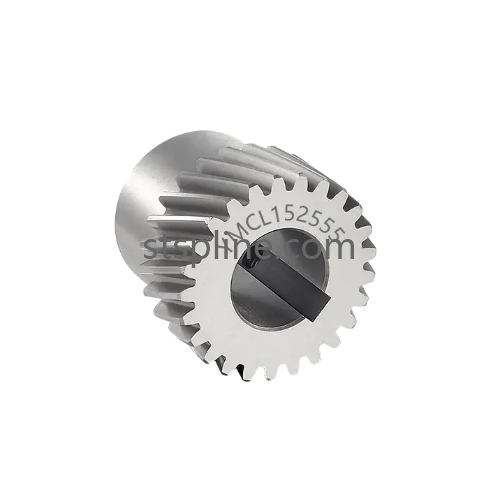
Industrial production systems depend on mechanical components that convert power into controlled movement. From machine tools and robotic equipment to material handling systems, motion transmission components help coordinate movement across different stages of manufacturing. A rack and pinion mechanism is a practical solution for converting rotary input into linear displacement, making it suitable for equipment that requires controlled travel along a defined path. Industrial Rack And Pinion systems are therefore widely incorporated into machinery where stable mechanical engagement, structural compatibility, and repeatable movement are important.
The basic mechanism consists of a toothed rack and a pinion gear. The pinion rotates and engages with the rack, causing the rack or connected machine structure to move linearly. This arrangement provides a direct mechanical transmission method and can be adapted to different machine layouts. Depending on the equipment design, the rack may remain stationary while the pinion travels along it, or the rack may move in relation to a fixed pinion assembly. This flexibility allows engineers to integrate rack drives into a variety of industrial motion systems.
One important consideration is the relationship between the transmission mechanism and the machine's operating requirements. Different applications involve different travel distances, movement speeds, load conditions, and positioning expectations. CNC machining equipment may require controlled axis movement, while automated handling systems may prioritize long travel paths and continuous operation. Robotic transfer equipment may need a compact arrangement that fits within a limited installation space. Selecting a suitable rack and pinion configuration begins with understanding these practical conditions.
Tooth geometry influences how the rack and pinion engage during operation. Straight-tooth racks are commonly used in conventional linear transmission systems because of their straightforward design and broad application range. Helical racks feature angled teeth that allow gradual engagement between mating gear surfaces. This can contribute to smoother transmission behavior in suitable applications. The choice between these configurations depends on the equipment structure, operating conditions, and design priorities. Correct matching between the rack and pinion is essential for maintaining appropriate contact throughout the movement cycle.
Material selection also affects the mechanical characteristics of industrial transmission components. Carbon steel is frequently used because it provides a balance of strength, machinability, and production practicality. Alloy steel may be selected for applications with more demanding mechanical requirements. Heat treatment can be applied to improve surface hardness and support resistance to contact wear, while other surface treatments may help address environmental or maintenance considerations. Material and treatment decisions should be evaluated together because they influence machining processes, component behavior, and long-term service requirements.
Manufacturing processes determine whether the finished components meet the intended design. Rack production can include material preparation, tooth cutting, milling, drilling, grinding, and surface finishing. Each operation contributes to the final geometry and quality of the product. Tooth spacing and profile accuracy are particularly important because inconsistent geometry can affect engagement with the pinion. Straightness and dimensional consistency also matter when multiple rack sections are installed along an extended machine axis. Appropriate inspection helps verify that the components conform to the technical drawings.
Installation quality is equally important. The rack must be mounted on a suitable reference surface, with attention to alignment, fastening, and the relationship between the rack and pinion. Incorrect positioning can create uneven tooth contact, additional friction, or irregular movement. For longer travel systems, alignment between connected rack sections deserves particular attention. Machine designers should also consider access for lubrication, inspection, and component replacement when arranging the transmission structure.
In many industrial machines, rack drives operate as part of a larger motion control assembly. Servo motors, reducers, linear guide rails, bearings, and controllers may all contribute to the system's operation. The rack and pinion provide mechanical force transmission, while the guide components support the moving structure and maintain its path. The control system manages movement commands and positioning. Coordinating these elements helps create a motion arrangement suited to the machine's functional requirements.
Applications are found across a broad range of manufacturing sectors. CNC routers and machining centers use rack drives for axis movement and positioning. Laser cutting equipment may incorporate them into gantry structures that travel across large working areas. Industrial robots and truss manipulators can use rack-based transmission for extended linear movement. Automotive production lines, packaging equipment, and automated material handling systems also rely on mechanical drives to coordinate repetitive movement and equipment positioning.
For procurement teams, selecting a manufacturer requires attention to production capability and technical communication. Buyers should review whether a supplier can manufacture different rack profiles, process materials according to project requirements, inspect finished products, and support customization based on drawings or samples. Consistency between production batches is important for equipment manufacturers who need replacement components or repeated orders. Clear communication about operating conditions and installation details can also help reduce specification errors.
Maintenance planning should be considered from the beginning of equipment design. Regular inspection of tooth contact, lubrication conditions, mounting fasteners, and alignment can help identify developing issues before they affect machine operation. Maintenance requirements vary according to operating conditions, duty cycles, contamination, and the surrounding environment. A suitable maintenance approach should therefore follow the equipment manufacturer's guidance and actual service conditions.
As production facilities adopt more automated and interconnected machinery, dependable mechanical motion transmission continues to support equipment functionality. Industrial Rack And Pinion systems offer a flexible way to convert rotary power into linear movement across different machine structures and industrial applications. Evaluating tooth design, material, machining quality, installation conditions, and supplier capabilities helps buyers select components that fit their equipment requirements. Discover SOTER's rack and pinion manufacturing solutions at https://www.stspline.com/product/straight-teeth-rack/
- Technology for Students
- Admissions & Applications
- Online Courses
- Career and Jobs
- Campus Life
- Drinks
- Film
- Fitness
- Food
- Jocuri
- Gardening
- Health
- Home
- Literature
- Music
- Networking For Students
- Insights
- Party
- Religion
- Shopping
- Sports
- Theater
- Wellness
- Education News
- Business & Finance For Students
- Security, Law & Crime Education
- Insurance
- Science & Technology For Students
 Romaian
 English
 Arabic
 French
 Spanish
 Portuguese
 Deutsch
 Turkish
 Dutch
 Italiano
 Russian
 Portuguese (Brazil)
 Greek