


What Makes Aluminum Suitable for High Quality Motors
Which Housing Materials Are Suitable for High Quality Motors?
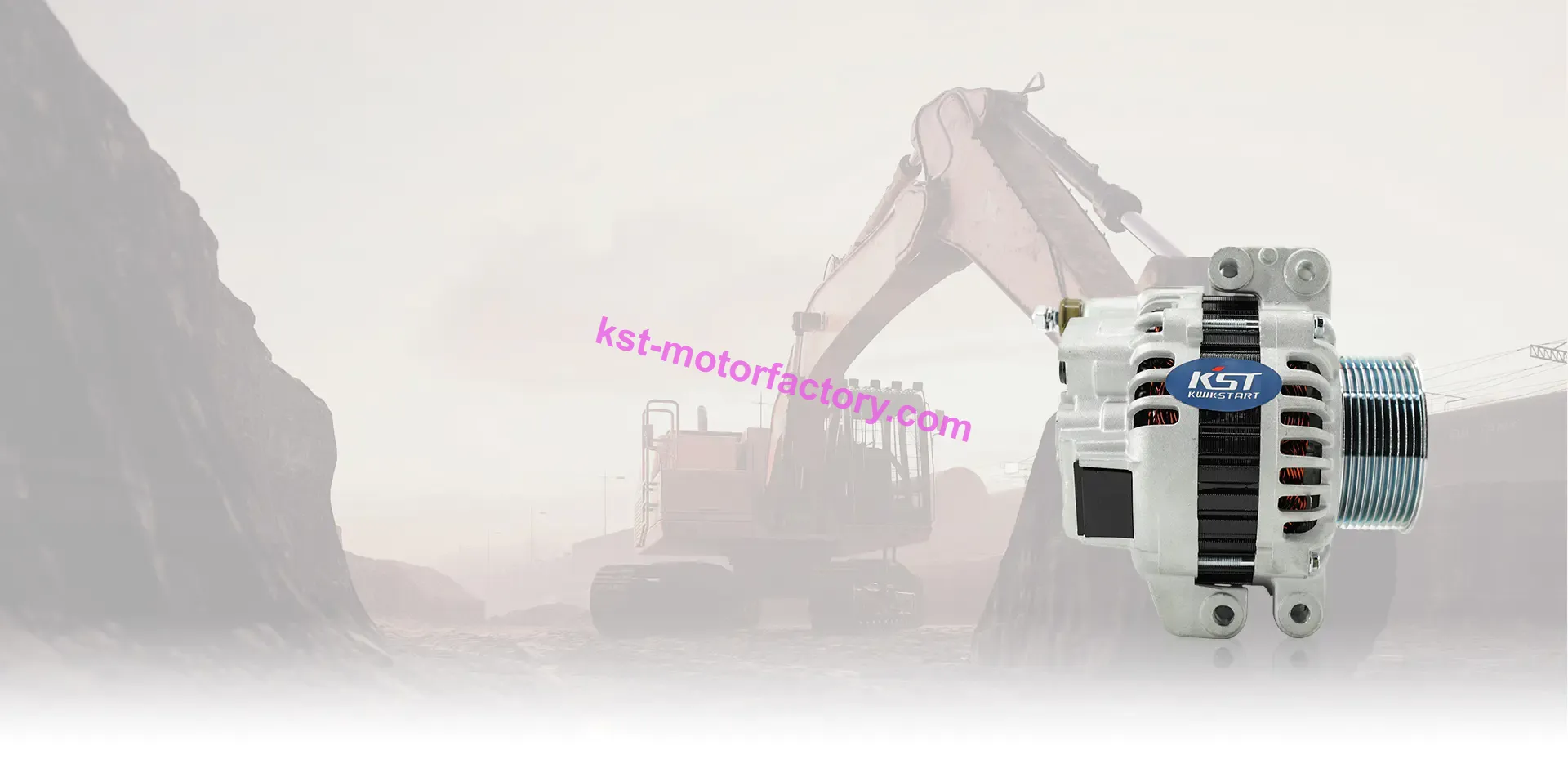
The housing of an electric motor is far more than an external protective shell, as its material and construction influence heat transfer, mechanical strength, environmental resistance, and overall operating stability. When evaluating High Quality Motors, buyers should understand how aluminum alloys, cast iron, steel, and other engineering materials perform under different working conditions. KST-motorfactory provides automotive starter motors and alternators for various vehicle and machinery applications, making housing construction an important consideration for international buyers. How can manufacturers determine which material is suitable for their intended motor applications?
Aluminum alloy is one of the commonly selected materials in automotive motor manufacturing because of its lightweight properties and thermal conductivity. In vehicle applications, reducing unnecessary component weight can help manufacturers manage the overall equipment structure while maintaining appropriate mechanical performance. Aluminum also transfers heat efficiently, which is particularly relevant for electrical equipment that generates thermal energy during operation. When combined with suitable structural design, an aluminum housing can help distribute heat toward the surrounding environment and support stable working conditions.
Another advantage of aluminum is its resistance to corrosion under appropriate environmental conditions. Automotive equipment may encounter moisture, temperature fluctuations, and contact with various external substances during daily operation. A properly manufactured aluminum housing can provide useful protection against these conditions. However, the actual performance depends on alloy composition, casting quality, machining accuracy, and surface treatment. Manufacturers should evaluate these elements together rather than assuming that every aluminum component provides the same level of protection.
Cast iron offers a different combination of material characteristics. Its rigidity and vibration-damping properties make it relevant to certain industrial and heavy-duty applications where structural stability is essential. Machinery used in construction, transportation, and industrial production may experience repeated mechanical loads, so the housing must provide reliable support for internal assemblies. Cast iron can meet structural requirements in suitable designs, although its relatively high weight may influence installation arrangements and equipment integration.
Steel is another material used in motor structures and supporting components. Its mechanical strength and processing flexibility make it suitable for applications requiring durable mounting sections, protective structures, and reinforced connections. Depending on the selected grade and manufacturing method, steel components can withstand demanding mechanical conditions. Surface coatings and protective finishing also influence their resistance to corrosion, particularly when equipment operates in outdoor or moisture-exposed environments.
The choice between aluminum, cast iron, and steel should therefore depend on the intended application instead of following a universal material preference. Automotive starter motors, alternators, and industrial electrical equipment have different structural requirements. Engineers must consider component weight, mechanical loading, installation space, operating temperature, and environmental exposure before confirming the housing configuration. A material that works effectively in one application may not be appropriate for another.
Heat dissipation is another important factor when assessing motor housing construction. Electrical current, electromagnetic activity, and mechanical friction generate heat during operation. If thermal energy accumulates around internal components, insulation systems, bearings, and other assemblies may experience additional stress. The housing should therefore support an appropriate thermal management arrangement that corresponds to the motor's operating conditions.
The material itself is only part of this process. Housing geometry, ventilation structures, cooling fins, surface area, and internal component positioning also influence heat transfer. Aluminum generally offers useful thermal conductivity, while the design of the housing determines how effectively heat reaches the surrounding air. Engineers must also consider environmental protection because excessive ventilation openings may allow dust or moisture to enter the assembly. A suitable design should balance cooling requirements with the protection of internal components.
Mechanical precision deserves equal attention during housing evaluation. The mounting surface, threaded connections, bearing positions, and assembly interfaces must correspond to the intended motor structure. Dimensional inconsistencies may cause installation difficulties, unwanted vibration, or alignment problems. Buyers should examine machining quality and assembly accuracy rather than concentrating exclusively on the material description provided in a product catalogue.
Surface quality can also reveal useful information about manufacturing processes. Cracks, casting imperfections, uneven coatings, and visible corrosion should be carefully examined before equipment acceptance. Consistent finishing helps support product appearance and environmental protection, while accurate machining contributes to reliable assembly. These details are particularly relevant when purchasing replacement motors for existing vehicles or machinery, where compatibility with original installation arrangements is essential.
For international buyers, the manufacturer's technical experience is another important consideration. A professional supplier should understand the relationship between housing materials, internal electrical components, installation requirements, and operating environments. Buyers can request product drawings, material information, inspection records, and application recommendations to support their selection decisions. Communication about actual operating conditions also helps suppliers identify suitable product configurations.
KST-motorfactory focuses on automotive starter motors and alternators for heavy-duty vehicles and construction machinery. Its product range covers applications associated with equipment manufacturers such as Komatsu, Hitachi, Caterpillar, Hyundai, Mitsubishi, Daewoo, and Isuzu. These applications involve different installation structures and operating conditions, making product compatibility and manufacturing consistency important subjects for equipment purchasers.
When evaluating a motor supplier, buyers should also consider manufacturing inspection, product identification, technical communication, and replacement requirements. Starter motors and alternators must correspond to the intended equipment models, electrical configurations, and mounting arrangements. Clear product information helps reduce selection errors, while professional technical assistance can support communication during purchasing and maintenance. Examining these aspects provides a practical understanding of the supplier's capabilities beyond the appearance of an individual product.
The maintenance environment should also influence material selection. Equipment operating in construction sites may encounter dust, moisture, vibration, and changing temperatures, while vehicles used in transportation can experience different patterns of operation. The housing must provide suitable protection for the internal assembly throughout its intended service environment. Buyers should therefore explain their application conditions when discussing product selection with a manufacturer.
A carefully designed motor housing combines appropriate material properties with precise manufacturing and practical structural engineering. Aluminum alloy can support lightweight construction and heat transfer, cast iron provides rigidity and vibration control, while steel offers useful strength for selected structural components. Exploring the available automotive motor solutions at https://www.kst-motorfactory.com/product can help buyers understand different product applications and identify suitable options for their equipment requirements. Selecting High Quality Motors with appropriate housing construction is an important part of achieving dependable operation, effective component protection, and consistent performance throughout demanding automotive applications.
- Technology for Students
- Admissions & Applications
- Online Courses
- Career and Jobs
- Campus Life
- Drinks
- Film
- Fitness
- Food
- Spiele
- Gardening
- Health
- Startseite
- Literature
- Music
- Networking For Students
- Insights
- Party
- Religion
- Shopping
- Sports
- Theater
- Wellness
- Education News
- Business & Finance For Students
- Security, Law & Crime Education
- Insurance
- Science & Technology For Students
 Deutsch
 English
 Arabic
 French
 Spanish
 Portuguese
 Turkish
 Dutch
 Italiano
 Russian
 Romaian
 Portuguese (Brazil)
 Greek