


Creating Consistent Visual Themes with Holiday Lighting
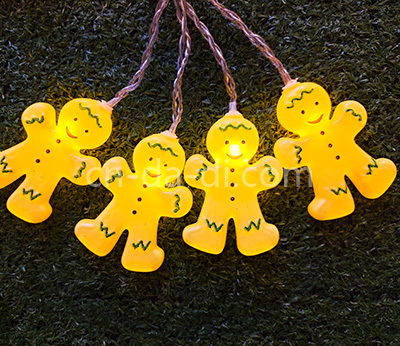
Christmas decorations help transform ordinary spaces into welcoming seasonal environments. From family homes and shopping centers to hotels and public venues, decorative lighting adds depth, color, and visual interest to holiday displays. As lighting technology develops, LED Christmas Decoration Lights offer designers and buyers more ways to coordinate illumination with ornaments, architectural features, and seasonal themes. Their compact light sources and adaptable product structures make them suitable for many decorative arrangements.
LEDs produce light through semiconductor technology rather than relying on a heated filament. This operating principle allows manufacturers to develop decorative products in different shapes and configurations. Light sources can be arranged along flexible wires, integrated into decorative figures, or combined with illuminated ornaments and curtain-style displays. The compact size of LED components also makes it easier to create detailed lighting patterns that complement trees, windows, stairways, shelves, and other decorative features.
The materials used in a lighting product influence its appearance, flexibility, and durability. Insulated copper wires are commonly used in decorative strings because they can support compact layouts and allow lights to be arranged around branches or ornamental structures. PVC and other insulating polymers may be used for wire protection, while acrylic components can provide a clear or polished appearance for selected decorative designs. The choice of material should reflect the intended application, installation method, and expected handling conditions.
Different spaces require different lighting approaches. In residential settings, decorative lights are often used to highlight Christmas trees, windows, doorways, mantels, and dining areas. A coordinated arrangement can connect separate parts of a room and create a consistent seasonal atmosphere. Commercial environments may use larger displays to attract attention from visitors and reinforce holiday campaigns. Shopping centers, hotels, restaurants, and entertainment venues can combine illuminated decorations with themed ornaments, signs, and display structures to create a recognizable visual identity.
Color temperature and color selection are important elements of lighting design. Warm white illumination often creates a traditional and comfortable atmosphere, making it suitable for living spaces and classic Christmas themes. Cool white provides a brighter, more contemporary appearance, while red, green, blue, and multicolor options can introduce stronger seasonal accents. Selecting a limited color palette often makes the overall arrangement look more organized and allows individual decorative elements to stand out.
Lighting effects can further influence the character of a display. Steady illumination is useful when a consistent background effect is required, while flashing or fading modes can add movement to selected decorative areas. Some products support controller-based effects, allowing users to adjust the visual presentation according to the venue or event. Buyers should confirm which functions are supported by the specific model rather than assuming that all decorative lights include adjustable modes.
Installation planning should take place before the products are unpacked and arranged. Buyers should consider the location of power outlets, the route of connecting wires, mounting surfaces, and the distance between decorative elements. For indoor installations, cables should be positioned to avoid creating trip hazards or interfering with doors and furniture. Outdoor applications require products designed for the relevant weather conditions, along with suitable mounting accessories and properly protected electrical connections. The stated protection rating should be checked before outdoor use.
Quality control is an important part of decorative lighting production. Manufacturers may inspect LED operation, wiring connections, insulation, connectors, and the consistency of illumination. Products intended for distribution should also be packed to reduce tangling and protect delicate decorative components during storage and shipping. For buyers serving retail markets, consistent appearance across a product batch can help maintain a uniform presentation and reduce handling difficulties during seasonal sales periods.
Wholesale buyers may also consider customization when selecting seasonal lighting products. Available options can vary by design and manufacturer, but may include light colors, wire styles, product lengths, packaging, and decorative configurations. Clear communication about the target market, installation environment, power requirements, and expected order volume helps suppliers recommend suitable solutions. Buyers should also request relevant product documentation and verify applicable electrical safety requirements before purchasing.
Well-planned LED Christmas Decoration Lights bring together visual design, material selection, and practical installation. Whether used to create a warm residential setting or a coordinated commercial display, the right lighting arrangement can make seasonal decorations more engaging and consistent. Buyers looking for additional decorative lighting styles can review https://www.cn-da-di.com/product/other-christmas-lights/ to explore options for different Christmas display projects.
- Technology for Students
- Admissions & Applications
- Online Courses
- Career and Jobs
- Campus Life
- Drinks
- Film
- Fitness
- Food
- Juegos
- Gardening
- Health
- Home
- Literature
- Music
- Networking For Students
- Insights
- Party
- Religion
- Shopping
- Sports
- Theater
- Wellness
- Education News
- Business & Finance For Students
- Security, Law & Crime Education
- Insurance
- Science & Technology For Students
 Spanish
 English
 Arabic
 French
 Portuguese
 Deutsch
 Turkish
 Dutch
 Italiano
 Russian
 Romaian
 Portuguese (Brazil)
 Greek