


How to Detect Mold in Walls: 10 Warning Signs Homeowners Should Never Ignore in 2026
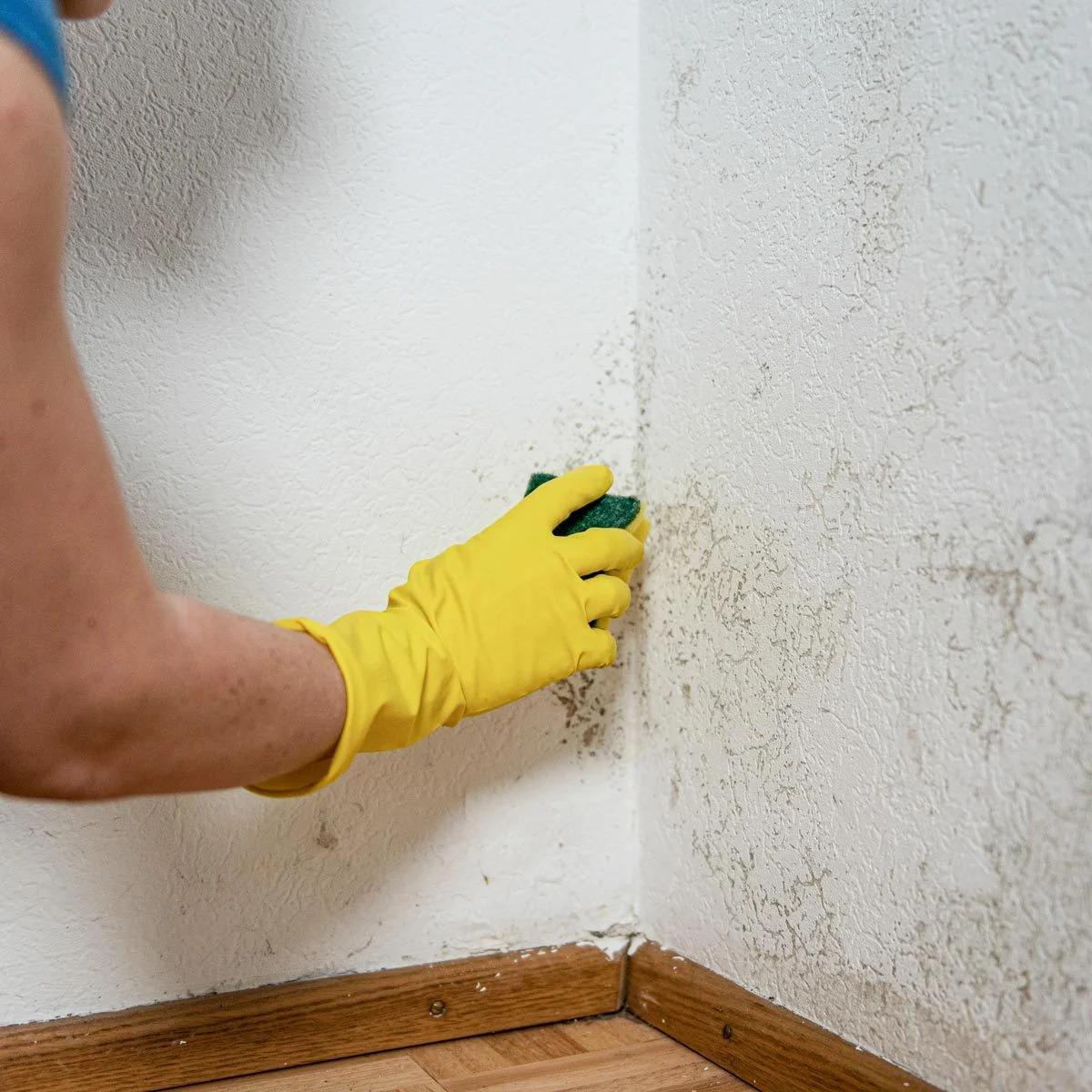
A home's walls do more than divide rooms and support interior finishes. They can also conceal moisture problems that develop gradually behind drywall, wallpaper, insulation, and other building materials. When water enters through a plumbing leak, damaged roof, or exterior opening, damp conditions may remain hidden long after the original problem begins.
For homeowners, recognizing early warning signs is essential. Understanding how to detect mold in walls can help identify potential moisture concerns before they contribute to extensive material damage or costly repairs. Although hidden mold cannot always be confirmed through a simple visual check, several changes around a property may indicate that further investigation is necessary.
Here are ten important signs, practical detection methods, and prevention strategies every homeowner should understand.
1. Notice Persistent Musty Odors
An unusual earthy or musty smell may indicate moisture problems inside a wall cavity or another concealed area. Pay attention when an unpleasant odor repeatedly returns after cleaning, airing out the room, or using household fragrances.
Closets, bathrooms, laundry rooms, kitchens, and rooms with exterior walls deserve particular attention because they may experience plumbing leaks, condensation, or ventilation problems.
However, odor alone does not confirm mold. Damp insulation, wet building materials, and other sources can create similar smells. The next step is to investigate the underlying moisture condition.
2. Look for Unusual Wall Discoloration
Water stains can appear as yellow, brown, gray, or darker patches on painted surfaces. They may develop near ceilings, windows, plumbing fixtures, or areas below bathrooms.
Discoloration sometimes remains visible even after a leak has stopped. Therefore, homeowners should avoid assuming that an old-looking stain is harmless without understanding its history.
Document changes with photographs and check whether the affected area becomes larger or darker over time.
3. Check for Peeling Paint and Bubbling Wallpaper
Paint and wallpaper can deteriorate when moisture becomes trapped behind the surface. Common warning signs include blistering, bubbling, cracking, lifting edges, and paint that separates from drywall.
These changes may occur because of plumbing leaks, exterior water intrusion, or condensation.
If the same section repeatedly develops surface damage after repainting, consider investigating the source rather than applying another cosmetic repair.
4. Examine Baseboards and Nearby Flooring
Moisture does not always appear in the center of a wall. It can travel downward and affect baseboards, trim, and flooring.
Look for swollen wooden trim, loose baseboards, warped laminate, damaged carpet edges, or discoloration near the bottom of walls.
These signs may indicate water intrusion, although other causes are possible. If several symptoms appear together, a professional moisture assessment can help determine whether concealed materials have been affected.
5. Investigate Previous Plumbing Leaks
Past plumbing problems deserve attention even when the visible leak has been repaired. Water may have entered drywall, insulation, or framing before the source was fixed.
Inspect areas near:
-
Bathroom showers and bathtubs
-
Kitchen sinks and dishwashers
-
Washing machine connections
-
Water heaters
-
Refrigerators with water supply lines
-
Plumbing walls shared with bathrooms
Ask previous owners or contractors about repairs when records are available. Knowing where leaks occurred can help identify areas that may need additional evaluation.
6. Pay Attention to Indoor Humidity
High indoor humidity can contribute to condensation and persistent dampness. Florida homeowners should be particularly aware of this issue because warm temperatures and humid outdoor air can make moisture control challenging.
Repeated window condensation, damp closets, and rooms that feel unusually humid may indicate that ventilation or air-conditioning performance needs attention.
A digital hygrometer can help monitor indoor relative humidity. The U.S. Environmental Protection Agency recommends keeping indoor humidity below 60%, ideally between 30% and 50%, where practical.
Maintaining air-conditioning equipment and using appropriate ventilation in kitchens and bathrooms can help reduce excess moisture.
7. Watch for Changes in Drywall Texture
Drywall exposed to moisture may become soft, swollen, uneven, or weakened. You might notice bulging sections, crumbling edges, or surfaces that no longer appear flat.
Do not press hard on damaged areas or attempt to cut into the wall without understanding the risks. Disturbing affected materials may spread dust and particles into the surrounding space.
A qualified professional can determine whether further inspection or careful removal of materials is appropriate.
8. Use Moisture Detection Tools Carefully
Professional moisture detection equipment can help identify areas that deserve closer attention.
Moisture meters: These tools measure moisture levels in certain building materials. Elevated readings may indicate a moisture problem, but they do not prove mold is present.
Infrared thermal imaging: Thermal cameras identify temperature differences on surfaces. These patterns may help locate areas for further investigation, but thermal imaging does not directly detect mold or confirm hidden moisture.
Visual examination: An experienced inspector looks for staining, material deterioration, condensation, and other visible indicators.
Targeted sampling: When appropriate, a qualified specialist may recommend air or surface sampling to investigate a specific concern. Sampling should be selected based on the property's conditions and the question being addressed.
Understanding how to detect mold in walls requires recognizing that no single device or test can guarantee the identification of every concealed problem.
9. Consider Professional Evaluation
When multiple warning signs appear together, arranging professional evaluation is a sensible next step. This is especially important after flooding, recurring plumbing leaks, roof damage, or prolonged moisture exposure.
Depending on the findings, an appropriate specialist may recommend additional moisture mapping, targeted sampling, or examination of concealed building materials.
If mold is confirmed, the moisture source should be corrected as part of the response. Cleaning or removing visible growth without addressing the underlying water problem may allow the condition to return.
People with allergies or asthma may experience symptoms around mold. Anyone experiencing concerning health symptoms should seek appropriate medical advice rather than relying on a property inspection for diagnosis.
10. Prevent Moisture Problems Before They Develop
Regular maintenance can reduce the likelihood of hidden moisture issues.
Homeowners should inspect plumbing connections, maintain roofs and gutters, repair damaged exterior seals, and ensure that rainwater drains away from the foundation.
After leaks or flooding, affected materials should be dried promptly and thoroughly. Bathrooms and kitchens should have adequate ventilation, while air-conditioning systems should receive routine maintenance.
In Central Florida, heavy rainfall, storm exposure, and persistent humidity make these habits especially valuable.
Protect Your Home With Early Attention
Hidden moisture problems can develop without obvious surface growth. Musty odors, unusual stains, peeling paint, damaged baseboards, and persistent humidity are all reasons to investigate further.
For homeowners and buyers in Central Florida, Full Circle Home Inspectors provides professional home inspection services to help clients understand a property's observable condition. A thorough inspection can document visible moisture concerns and help determine when additional specialist evaluation may be appropriate.
Ultimately, how to detect mold in walls begins with noticing changes, identifying possible water sources, and arranging appropriate professional assessment. Taking action early can help limit building damage, support better maintenance decisions, and protect your property's long-term condition.
- Technology for Students
- Admissions & Applications
- Online Courses
- Career and Jobs
- Campus Life
- Drinks
- Film
- Fitness
- Food
- Jeux
- Gardening
- Health
- Domicile
- Literature
- Music
- Networking For Students
- Insights
- Party
- Religion
- Shopping
- Sports
- Theater
- Wellness
- Education News
- Business & Finance For Students
- Security, Law & Crime Education
- Insurance
- Science & Technology For Students
 French
 English
 Arabic
 Spanish
 Portuguese
 Deutsch
 Turkish
 Dutch
 Italiano
 Russian
 Romaian
 Portuguese (Brazil)
 Greek