


Why Is Your Water Pump Not Working? Common Causes and Practical Solutions
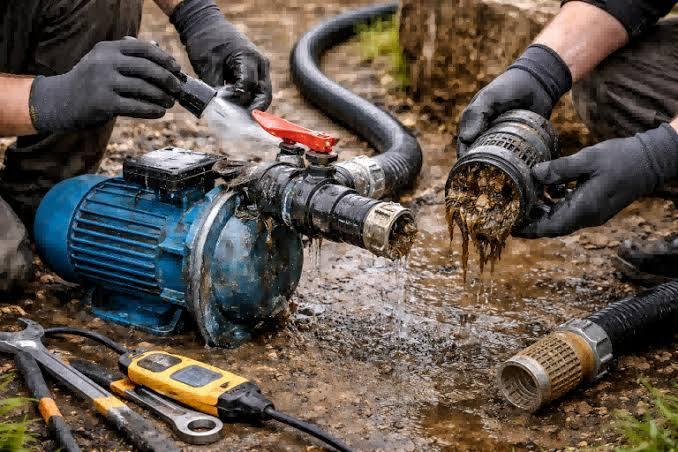
A reliable water pump is essential for maintaining a consistent water supply in residential, commercial, and agricultural properties. Whether it delivers water from a well, supports household plumbing, or supplies an irrigation system, a properly functioning pump helps keep daily activities running smoothly. When the equipment suddenly stops operating, even routine tasks can become difficult.
Pump failures can happen for several reasons, including electrical interruptions, low water levels, clogged pipes, damaged pressure controls, and mechanical wear. Some problems may be relatively simple, while others require specialized inspection and repair. Understanding the possible causes can help property owners recognize warning signs, avoid unsafe troubleshooting, and determine when professional assistance is necessary.
Common Reasons a Water Pump Stops Working
Water pumps rely on electrical, mechanical, and plumbing components to move water efficiently. A problem with any of these parts can affect the entire system.
1. Electrical Supply Problems
An interrupted electrical supply is one of the first things to consider when a pump fails to start. A tripped circuit breaker, damaged power cable, faulty switch, or loose connection may prevent electricity from reaching the motor.
Some pumps also have overload protection that temporarily shuts down the motor when it becomes too hot or experiences excessive electrical demand.
Homeowners can check whether the relevant breaker has tripped, but repeated electrical interruptions should never be ignored. If a breaker trips again after resetting, contact a qualified electrician or pump technician.
2. Low Water Levels
Many pumps require an adequate water supply to operate correctly. If a well, storage tank, or reservoir becomes empty or drops below the required level, the pump may struggle to draw water.
Operating certain pumps without sufficient water can cause overheating and internal damage. Property owners should check the water source and ensure that the intake remains properly positioned.
Some systems include dry-run protection that automatically stops operation when water levels become too low.
3. Clogged Filters and Intake Pipes
Dirt, sand, sediment, and other debris can accumulate inside filters, strainers, and intake pipes. These obstructions restrict water movement and may cause reduced pressure or prevent the pump from drawing water.
A blocked intake can also contribute to overheating and excessive operating strain.
Regular inspection and cleaning of accessible filters, following manufacturer instructions, can help reduce this risk. More complicated blockages may require professional cleaning or pipe inspection.
4. Faulty Pressure Switch
Many residential water systems use pressure switches to control pump operation. These devices activate the pump when system pressure falls and stop it when the required pressure is restored.
A malfunctioning pressure switch may prevent the pump from starting, cause frequent cycling, or create inconsistent water pressure.
Pressure-switch problems may involve damaged contacts, incorrect settings, or electrical faults. Since these components combine electrical and plumbing functions, professional diagnosis is recommended.
5. Air Leaks and Loss of Prime
Some pumps, particularly certain surface-mounted systems, require priming before they can draw water. If air enters the suction line or the pump loses its prime, it may run without delivering water.
Possible causes include leaking pipe connections, damaged seals, or a faulty foot valve.
A pump that runs but fails to move water may have a suction-side problem rather than a motor failure. Identifying the source of air entry is important before attempting to restore operation.
6. Motor or Impeller Damage
The motor provides the power needed to operate the pump, while the impeller helps move water through the system. Mechanical wear, corrosion, debris, or electrical problems can affect these components.
A damaged impeller may reduce water delivery, while motor failure can prevent the equipment from starting altogether.
Unusual humming, grinding, excessive vibration, or a burning smell may indicate a serious mechanical or electrical problem.
Warning Signs That Your Water Pump Needs Attention
A water pump often displays symptoms before it stops functioning completely. Recognizing these changes can help property owners arrange maintenance before a major failure occurs.
Watch for the following warning signs:
-
Water pressure becomes noticeably weaker.
-
The pump runs continuously without delivering sufficient water.
-
Water flow starts and stops unexpectedly.
-
The motor makes unusual humming or grinding sounds.
-
The pump switches on and off too frequently.
-
Water leaks appear around pipes or connections.
-
The motor becomes unusually hot.
-
Air comes through household faucets.
-
Energy consumption increases without an obvious reason.
These symptoms can have multiple explanations. For example, reduced pressure may result from a clogged filter, leaking pipe, faulty pressure control, or worn pump components. A professional inspection can help identify the actual cause.
Safe Troubleshooting Steps for Homeowners
When a pump stops operating, a few basic checks may help identify an obvious issue. However, safety should remain the priority.
Check the water source: Confirm that the tank, well, or reservoir contains enough water for the pump to operate.
Inspect the power supply: Look for an obvious interruption or tripped breaker. If the breaker trips repeatedly, stop resetting it and seek professional assistance.
Look for visible leaks: Examine accessible pipes and connections for water leakage that could affect system pressure.
Check accessible filters: If the manufacturer's instructions permit cleaning or replacing an external filter, follow the recommended procedure.
Review the pressure gauge: If the system includes a pressure gauge, record its reading and share it with the technician.
Never open motor housings, handle exposed wiring, or dismantle electrical pressure controls without appropriate qualifications. Disconnecting power before any permitted inspection is essential.
When Should You Call a Professional Pump Technician?
Basic checks may identify simple problems, but persistent pump failures often require specialized tools and technical knowledge.
If you are wondering why is my water pump not working despite checking the water supply and obvious power interruptions, a qualified technician can perform a more detailed diagnosis.
A professional inspection may involve:
-
Testing the electrical supply and motor operation.
-
Inspecting the pressure switch and control system.
-
Evaluating the suction line for air leaks.
-
Checking filters, strainers, and pipe restrictions.
-
Examining the impeller and other mechanical components.
-
Verifying system pressure and water delivery.
-
Testing the pump after approved repairs.
Accurate diagnosis helps prevent unnecessary component replacement and reduces the possibility of recurring problems.
How Regular Maintenance Prevents Water Pump Problems
Preventive maintenance helps keep pumping equipment in better operating condition. The appropriate maintenance schedule depends on the pump type, water source, operating frequency, and manufacturer's recommendations.
Property owners can support reliable performance by following these practices:
-
Inspect accessible connections for leaks.
-
Keep the pump area clean and adequately ventilated.
-
Clean filters and strainers as recommended.
-
Monitor unusual noises, vibration, and temperature changes.
-
Protect exposed pipes from freezing conditions.
-
Avoid operating equipment without sufficient water.
-
Schedule periodic professional inspections.
Keeping records of maintenance and previous repairs can also help technicians identify recurring issues and recommend suitable solutions.
Repair or Replacement: Choosing the Right Solution
Repairing an existing pump may be practical when the problem involves a replaceable component and the rest of the equipment remains in good condition.
However, replacement may be more economical when the pump has extensive corrosion, repeated motor failures, severe internal damage, or repair costs that approach the price of new equipment.
Before selecting a replacement, consider the required flow rate, operating pressure, water source, energy consumption, and compatibility with existing plumbing. A properly sized pump is essential for dependable performance.
A qualified professional can evaluate these requirements and recommend equipment that matches the property's water needs.
Conclusion
Water pump failures can result from electrical problems, insufficient water supply, clogged filters, pressure-switch faults, air leaks, or mechanical damage. Recognizing early warning signs and arranging timely inspections can help prevent further equipment problems.
Homeowners should limit troubleshooting to basic, safe checks and leave electrical and mechanical repairs to qualified professionals. With proper maintenance, accurate diagnosis, and suitable equipment, a water pump can provide dependable water delivery for years.
- Technology for Students
- Admissions & Applications
- Online Courses
- Career and Jobs
- Campus Life
- Drinks
- Film
- Fitness
- Food
- Oyunlar
- Gardening
- Health
- Home
- Literature
- Music
- Networking For Students
- Insights
- Party
- Religion
- Shopping
- Sports
- Theater
- Wellness
- Education News
- Business & Finance For Students
- Security, Law & Crime Education
- Insurance
- Science & Technology For Students
 Turkish
 English
 Arabic
 French
 Spanish
 Portuguese
 Deutsch
 Dutch
 Italiano
 Russian
 Romaian
 Portuguese (Brazil)
 Greek