


What Makes ERG Residential Energy Storage Worth Considering
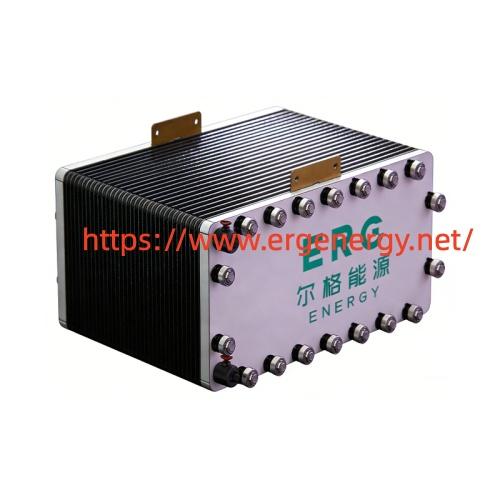
Residential Energy Storage is becoming an interesting subject for homeowners who want to rethink how electricity is generated, managed, and used throughout the day. With rooftop solar installations, changing electricity costs, and concerns about unexpected power interruptions, household power planning is receiving more attention. However, choosing a suitable battery solution involves more than comparing product appearances or installation prices. Technology, materials, operating habits, available space, and future household requirements all deserve consideration.
A home has different electricity needs throughout the day. Morning routines may involve kitchen appliances, lighting, and heating equipment, while evening activities bring televisions, computers, and other electrical devices into regular use. Solar panels can generate electricity during daylight hours, but household consumption does not always follow the same schedule. This creates an interesting question: how can homeowners make better use of the electricity available to them?
Battery systems provide one possible approach. They can collect electricity when generation is available and release it when household demand changes. When connected with suitable solar equipment and electrical management devices, they can support a more flexible home power arrangement. The actual benefits depend on local electricity policies, installation conditions, equipment compatibility, and individual consumption patterns.
Material selection is another important subject worth examining. Different battery technologies use different chemical materials and operating principles. These differences influence system structure, maintenance requirements, installation arrangements, and long-term operating considerations. For homeowners comparing available options, understanding how a battery works can be more useful than relying on appearance or general marketing descriptions.
Vanadium redox flow technology offers a different approach to conventional battery design. Instead of keeping all active energy materials inside conventional solid battery cells, this technology uses liquid electrolyte circulated through a stack during charging and discharging. The separation between energy storage and power generation gives system designers additional flexibility when developing equipment for different applications. It also makes maintenance access and system configuration important parts of product evaluation.
Another consideration is the relationship between battery technology and household safety. Buyers should examine the installation environment, electrical protection, ventilation requirements, monitoring functions, and professional installation arrangements. A suitable system should be evaluated according to applicable electrical standards and the actual conditions of the property. Product documentation and qualified technical advice can help homeowners make informed decisions before installation.
Design also influences the overall ownership experience. Equipment placed in a garage, utility room, or dedicated technical area needs to fit the available space and the surrounding environment. Enclosure design, cable arrangement, access for inspection, and connections with existing electrical equipment can all influence installation planning. A well-considered layout makes it easier for installers to work with the system and for owners to understand its daily operation.
Smart monitoring is another topic attracting attention. Homeowners increasingly expect clearer information about electricity generation, consumption, charging conditions, and backup availability. An accessible monitoring interface can help users understand how their equipment operates without requiring them to follow complicated technical procedures. For households with solar panels, this information can also support decisions about when to use certain appliances and how to coordinate electricity consumption.
Before purchasing a battery solution, homeowners should consider several practical questions. Which appliances need backup during an interruption? Is the property already equipped with solar panels? Where can the equipment be installed? What maintenance arrangements are available? Can the system work with existing inverters and electrical equipment? These questions help turn a general product comparison into a realistic household project plan.
It is also worth considering future changes. A household may add an electric vehicle, introduce new appliances, or renovate part of the property. Equipment compatibility and possible system expansion should therefore be discussed during the planning stage. Rather than choosing a product based only on current habits, buyers can evaluate whether its configuration and technical support are appropriate for their longer-term plans.
For manufacturers, these changing expectations create opportunities to develop practical solutions around different application requirements. ERG focuses on battery research, flow battery stack development, electrolyte materials, and integrated system design. Its product range includes vanadium redox flow battery systems and related components, while its technical team also works with customized development requirements. These capabilities provide a foundation for discussing different application scenarios with project partners and equipment integrators.
For distributors, installers, and project developers, product consistency, technical communication, manufacturing arrangements, and after-sales support are also important when selecting a supplier. A clear understanding of the equipment structure helps different participants coordinate product selection, installation, and ongoing maintenance. These considerations matter just as much as the initial product proposal when planning a long-term household power project.
As household electricity needs continue to change, battery technology will remain an important part of conversations about solar integration, backup planning, and more flexible electricity use. The right solution depends on the building, the local power environment, and the expectations of its owner. By connecting material research with practical engineering and application planning, ERG continues to develop flow battery products for different power requirements. Homeowners, installers, and project partners interested in these technical solutions can visit https://www.ergenergy.net/ to review the company profile and product range when considering suitable options for future household power projects.
- Technology for Students
- Admissions & Applications
- Online Courses
- Career and Jobs
- Campus Life
- Drinks
- Film
- Fitness
- Food
- Giochi
- Gardening
- Health
- Home
- Literature
- Music
- Networking For Students
- Insights
- Party
- Religion
- Shopping
- Sports
- Theater
- Wellness
- Education News
- Business & Finance For Students
- Security, Law & Crime Education
- Insurance
- Science & Technology For Students
 Italiano
 English
 Arabic
 French
 Spanish
 Portuguese
 Deutsch
 Turkish
 Dutch
 Russian
 Romaian
 Portuguese (Brazil)
 Greek