


Modern Manufacturing for Professional Baking Applications
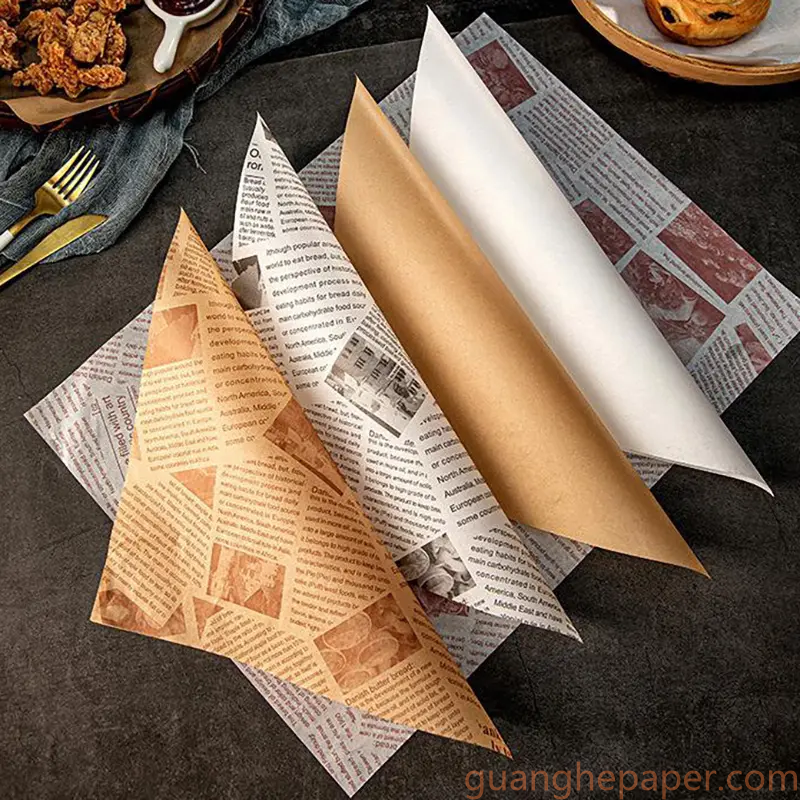
The quality of baking materials is closely connected to the manufacturing processes used to produce them. From raw paper selection to coating and final converting, each stage can influence flexibility, surface performance, and handling convenience. A professional Parchment Paper Factory needs to coordinate material selection, production technology, and quality management to supply products that meet the practical requirements of bakeries, food manufacturers, and distributors.
Production begins with the selection of suitable base paper. The paper must provide a stable structure while remaining flexible enough for rolling, cutting, and placement on baking trays. Its surface quality and formation can influence the consistency of subsequent coating operations. Manufacturers evaluate factors such as fiber characteristics, paper uniformity, strength, and absorbency according to the intended application. Selecting an appropriate base material helps establish the foundation for reliable finished products.
The coating process plays a central role in baking paper performance. Silicone is commonly used to create a non-stick surface that helps food release from the paper after baking. During production, coating equipment needs to distribute the material evenly across the designated surface. Coating consistency is important because differences in coverage may result in variations in release behavior. Process control, equipment condition, and material compatibility all contribute to the quality of the finished paper.
Drying and curing are also important parts of the manufacturing process. After coating, the paper must pass through suitable processing conditions to help the coating develop its intended properties. Temperature, production speed, and equipment settings need to be managed according to the material formulation. Proper process coordination supports stable coating performance while helping prevent issues such as uneven surfaces or unwanted material transfer. The specific manufacturing conditions depend on the product design and should be established through technical testing.
Once the coated paper is prepared, converting operations transform large rolls into formats suitable for commercial use. Slitting equipment can divide parent rolls into narrower rolls, while cutting systems produce sheets in different dimensions. Rewinding and tension control help maintain orderly rolls and support convenient dispensing. These operations require accurate equipment adjustment because inconsistent edges, loose winding, or damaged paper can create difficulties during storage and use.
Quality inspection should cover multiple production stages rather than only the final product. Incoming materials can be checked for consistency and suitability before entering the production line. During coating, operators may monitor surface appearance and process stability. Finished products can then be examined for dimensions, winding quality, visible defects, and packaging condition. Depending on the intended market, additional testing and documentation may be required to support food-contact suitability and other customer requirements.
Product customization is another important manufacturing capability. Different customers may need rolls for automated production equipment, sheets for commercial kitchens, or customized packaging for wholesale distribution. A manufacturer should understand the customer's application before recommending a product configuration. This includes considering tray dimensions, cutting methods, storage conditions, and the expected production workflow. Samples can help buyers assess the material before committing to larger orders.
Packaging and logistics are closely connected to product quality. Baking paper should be protected against moisture, dust, and physical damage during transportation and storage. Appropriate inner packaging and outer cartons help maintain product condition while making warehouse handling more convenient. Clear product identification can also support inventory management, particularly for distributors managing several paper formats or customer specifications.
When evaluating a manufacturing partner, buyers should consider production experience, quality management, customization capabilities, communication, and technical support. A competitive quotation is useful, but it should be assessed alongside material consistency and the supplier's ability to meet agreed requirements. Buyers should also clarify minimum order quantities, available packaging options, delivery arrangements, and the documentation required for their markets.
Long-term cooperation depends on transparent specifications and stable manufacturing practices. Both parties should agree on material composition, dimensions, coating requirements, packaging, and inspection criteria before production begins. Regular communication helps address changes in demand and allows product configurations to be adjusted when business requirements evolve.
A capable Parchment Paper Factory combines material knowledge, controlled coating technology, accurate converting equipment, and practical quality management. These elements help create baking paper products suited to different food preparation environments and distribution channels. Businesses comparing manufacturing solutions can explore available product categories at https://www.guanghepaper.com/product/ and identify options that match their application and purchasing needs.
- Technology for Students
- Admissions & Applications
- Online Courses
- Career and Jobs
- Campus Life
- Drinks
- Film
- Fitness
- Food
- Oyunlar
- Gardening
- Health
- Home
- Literature
- Music
- Networking For Students
- Insights
- Party
- Religion
- Shopping
- Sports
- Theater
- Wellness
- Education News
- Business & Finance For Students
- Security, Law & Crime Education
- Insurance
- Science & Technology For Students
 Turkish
 English
 Arabic
 French
 Spanish
 Portuguese
 Deutsch
 Dutch
 Italiano
 Russian
 Romaian
 Portuguese (Brazil)
 Greek