


How Does CenWan Develop a Box Folder Gluer Machine for Specialty Cartons
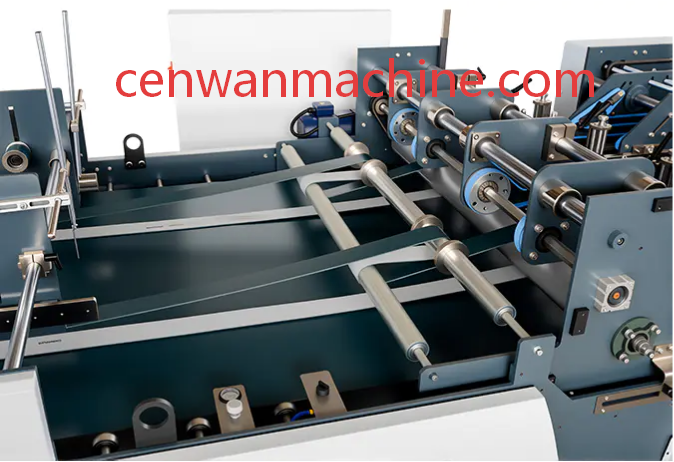
Packaging design continues to evolve as brands seek containers that protect products while creating memorable experiences for customers. From presentation boxes to specialty cartons, the shape and structure of packaging can influence how a product is perceived before it is even opened. A Box Folder Gluer Machine plays an important role in transforming prepared paperboard blanks into finished packaging structures, bringing together material handling, folding, bonding, and precise positioning. Its value extends beyond mechanical production because the equipment helps manufacturers turn creative packaging concepts into practical cartons suitable for commercial applications.
Material selection is central to the development of specialty cartons. Paperboard is widely used because it offers a combination of surface quality, structural support, and suitability for printing. Different paper fibers and board constructions influence how a carton behaves during folding. A smooth surface may be appropriate for premium presentation packaging, while a carefully selected board structure can support the shape and stability required by the finished product.
Coated paperboard introduces additional considerations. Surface coatings can influence appearance, printing quality, and adhesive interaction. When a blank moves through a folding and gluing process, the material must bend along its prepared creases without unnecessary cracking or surface damage. The adhesive also needs to suit the paper surface and the intended carton joint. Understanding these relationships helps manufacturers prepare materials that work effectively with the machinery.
Specialty packaging may involve more complex shapes than conventional rectangular cartons. Three-dimensional structures, decorative forms, and distinctive opening arrangements require careful coordination between the board design and the machine's folding mechanism. Material selection should therefore consider not only visual appeal but also how the paperboard responds to repeated bending and how the finished carton maintains its intended form.
Choosing suitable equipment begins with the packaging structure a manufacturer intends to produce. A business focused on conventional folding cartons may have different requirements from a converter producing specialty gift boxes or presentation packaging. Buyers should identify the carton styles they expect to manufacture and examine whether the machine's folding arrangement supports those designs.
The condition of incoming blanks is another important consideration. Die-cutting and creasing determine the shape and folding lines of the carton before it enters the folder gluer. Consistent preparation helps the equipment guide each blank through the intended sequence. Buyers should also consider how the machine fits into their existing production workflow, including printing, die-cutting, material handling, and finished carton collection.
Equipment selection should reflect the production team's experience as well. Clear operating procedures, accessible adjustment points, and suitable technical support can influence how effectively a machine is used. For businesses developing new packaging styles, communication with the equipment supplier can help clarify which carton structures are suitable for the intended folding process.
Zhejiang Chengwang Intelligent Packaging Equipment Co., Ltd. develops packaging machinery for folding and gluing applications. Its CenWan brand includes equipment designed for different carton structures, including specialty stereo packaging. For buyers, understanding the relationship between carton design and machine capability is an important part of evaluating an appropriate production solution.
The functional process begins with feeding prepared carton blanks into the machine. The feeding section guides each sheet toward the working area while helping maintain its intended position. Accurate alignment supports the following operations because the folding mechanism needs to follow the creases created during die-cutting.
Folding technology then guides different panels into their intended positions. Depending on the carton design, the machine may need to coordinate several folding movements rather than simply forming a straight seam. Specialty structures require the folding mechanism to accommodate the relationship between the panels, connecting sections, and final carton shape.
Adhesive application is another essential stage. Glue must be placed in the designated joining areas so that the folded sections can bond correctly. The positioning of the adhesive system and the movement of the carton need to work together. After folding, the joined sections are held in position to support bonding before the finished carton moves toward collection.
Automation helps coordinate these stages into a continuous workflow. Control systems can manage the sequence of operations, while mechanical guides and feeding arrangements support consistent movement. The equipment's design must accommodate the intended carton structure rather than treating every packaging style as identical. This makes machine selection particularly important for manufacturers producing specialty boxes.
The user experience of packaging machinery depends on how easily operators can manage production. Clear controls and accessible working areas help operators understand the machine's operation and respond to changing requirements. When a production order involves a different carton structure, practical adjustment arrangements can make preparation more straightforward.
Maintenance also influences the daily experience. Accessible components allow inspection and cleaning to be performed more conveniently. Clear operating guidance can help production teams understand the relationship between feeding, folding, adhesive application, and carton delivery. These considerations contribute to a more organized production environment and support consistent handling of packaging materials.
Design and appearance matter in industrial equipment because they influence visibility, accessibility, and workflow organization. A thoughtfully arranged machine allows operators to identify different working sections and follow the movement of carton blanks. A stable frame and coordinated mechanical components support the relationship between the feeding and folding operations.
For specialty packaging, the equipment's structural design must accommodate the intended carton shape. Folding mechanisms need to work with the prepared blank, while the adhesive system must reach the correct joining areas. A practical machine layout can also help manufacturers connect the folder gluer with upstream converting equipment and downstream packaging processes.
Brands exploring specialty carton production can visit https://www.cenwanmachine.com/ to review equipment options for distinctive packaging structures and consider how different folding arrangements may suit their products. A carefully selected Box Folder Gluer Machine brings material compatibility, coordinated folding technology, practical operation, and thoughtful mechanical design together, helping manufacturers develop packaging that reflects their product identity and the expectations of their
- Technology for Students
- Admissions & Applications
- Online Courses
- Career and Jobs
- Campus Life
- Drinks
- Film
- Fitness
- Food
- Παιχνίδια
- Gardening
- Health
- Κεντρική Σελίδα
- Literature
- Music
- Networking For Students
- Insights
- Party
- Religion
- Shopping
- Sports
- Theater
- Wellness
- Education News
- Business & Finance For Students
- Security, Law & Crime Education
- Insurance
- Science & Technology For Students
 Greek
 English
 Arabic
 French
 Spanish
 Portuguese
 Deutsch
 Turkish
 Dutch
 Italiano
 Russian
 Romaian
 Portuguese (Brazil)