


Can You Drive a Car After a Minor Collision? Warning Signs That Mean It Needs a Professional Inspection
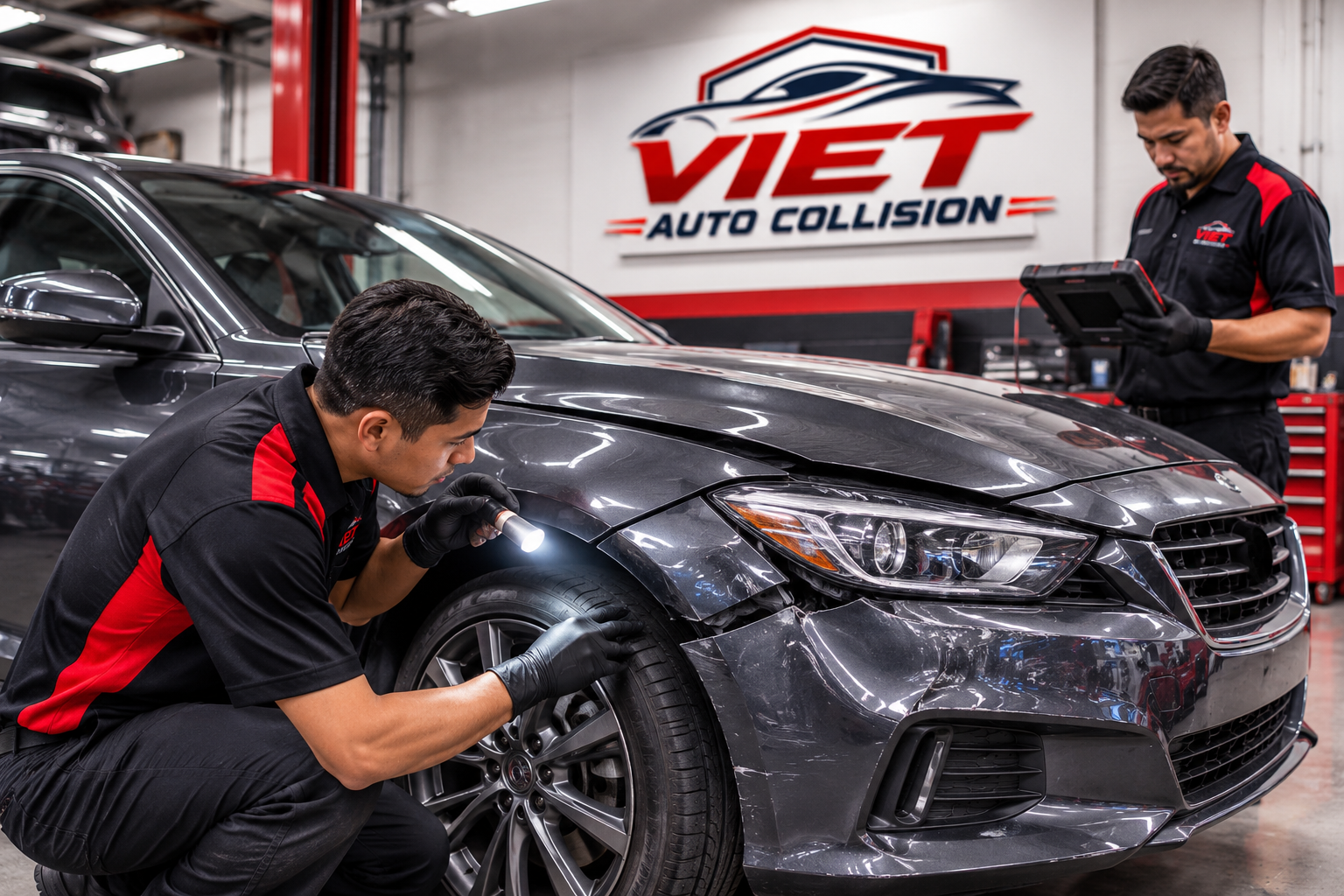
A minor collision can leave a vehicle looking almost normal. Perhaps the bumper has a small dent, a fender is slightly misaligned, or another car has left a scratch along the side. After checking for visible damage, many drivers assume the vehicle is safe to drive home or continue with their daily routine.
However, the appearance of a car does not always reveal what happened underneath its exterior panels. Even a relatively low-speed impact can affect mounting brackets, suspension components, wheel alignment, cooling systems, electrical connections, or safety-related equipment. These problems may not be immediately obvious, particularly when the vehicle still starts and moves normally.
So, can you drive a car after a minor collision? Sometimes, but the decision should depend on the vehicle's actual condition rather than the apparent severity of the accident.
Understanding which warning signs require immediate attention can help drivers avoid turning a manageable repair into a more serious mechanical or safety problem. Before returning to normal driving, it is important to know what to inspect, when to arrange professional assistance, and why seemingly minor damage deserves attention.
1. Why a Minor Collision Does Not Always Mean Minor Damage
The term minor collision generally describes an incident that appears relatively limited in severity. It does not provide a complete assessment of the vehicle's mechanical or structural condition.
For example, consider a car that receives a front bumper impact while reversing into another vehicle. The bumper cover might show only a small crack or dent, and the car may continue operating normally.
However, the impact could also affect components behind the bumper, including mounting brackets, impact absorbers, reinforcement components, or nearby electrical connections.
Similarly, a vehicle that strikes a curb during a collision might sustain damage around its wheel, tire, steering, or suspension even when its exterior body panels appear undamaged.
Several factors determine the extent of collision damage:
-
The direction and location of the impact.
-
The speed and force involved.
-
The height and shape of the objects involved.
-
The vehicle's construction and materials.
-
Whether the impact reached mechanical or structural components.
This is why visual appearance alone should never be treated as confirmation that a vehicle is safe.
A professional assessment can identify problems that are difficult to recognize without proper inspection equipment or partial disassembly.
2. Check for Fluid Leaks Before Driving
One of the first warning signs to look for after a collision is fluid leaking beneath the vehicle.
An impact involving the front or rear of a car may affect fluid-carrying components, depending on the location of the damage. A leak could involve engine coolant, engine oil, transmission fluid, brake fluid, or another vehicle system.
The important consideration is not simply how much fluid is visible. Even a small leak can indicate that an important component has been damaged.
Warning signs to recognize
Pay attention to:
-
Fresh liquid collects beneath the vehicle.
-
Dripping from the engine compartment.
-
Unusual smells after the collision.
-
Steam or smoke coming from the vehicle.
-
A temperature gauge showing overheating.
-
A sudden change in vehicle operation.
Drivers should avoid identifying an unknown fluid solely by its color. Different automotive fluids can have similar appearances, and identifying the source requires proper assessment.
Do not crawl underneath a damaged vehicle to investigate a leak. Also avoid opening a hot cooling system or touching unidentified substances.
If you notice an active leak, smoke, overheating, or a possible fuel leak, turn the vehicle off when safe, move away from an immediate hazard, and arrange professional assistance.
Continuing to drive could allow an existing problem to worsen or create an additional safety concern.
3. Inspect the Tires and Wheels for Collision Damage
Tires and wheels deserve particular attention after a collision, especially when the impact involves a curb, pothole, another vehicle's wheel area, or the corner of the car.
A vehicle may still move even when a tire or wheel has sustained damage that makes further driving unsafe.
Look for visible tire damage
From a safe position, examine the affected tire for:
-
Cuts or cracks in the sidewall.
-
Bulges or unusual swelling.
-
A visibly deflated or misshapen tire.
-
Exposed internal material.
-
Objects embedded in the tire.
-
Unusual contact between the tire and surrounding bodywork.
Also look for an obviously bent or cracked wheel.
The National Highway Traffic Safety Administration (NHTSA) explains that cuts, cracks, bulges, and other physical tire damage can indicate problems requiring professional attention. Its TireWise safety guidance also explains how tire pressure and condition affect vehicle handling and safety.
Pay attention to unusual driving behavior
Even when visible tire damage is limited, changes in vehicle behavior can indicate a problem.
For example, the steering wheel may begin vibrating, or the vehicle may pull to one side when traveling along a straight road.
A collision can also affect wheel alignment or suspension components. These issues may create uneven tire wear, handling changes, or unusual noises.
Do not assume that adding air to a tire resolves the problem if the wheel or tire may have been damaged by an impact.
When a tire has a visible bulge, cut, or other significant damage, do not continue driving on it. Arrange a suitable spare, if safe and appropriate, or request towing and professional inspection.
4. Pay Attention to Changes in Steering and Suspension
Steering and suspension components influence how a vehicle responds to driver input and remains stable on the road.
These systems can be affected by impacts involving the wheels, front corners, rear corners, or underbody.
One common warning sign is a steering wheel that no longer sits in its usual position when driving straight.
Other concerning symptoms include:
-
The vehicle pulled toward one side.
-
A steering wheel that feels unusually loose or stiff.
-
New knocking or clunking sounds.
-
Vibrations that were not present before the collision.
-
Unusual bouncing or instability.
-
A wheel appearing out of position inside the wheel arch.
For example, a car involved in a front-side collision might show little exterior damage while experiencing a change in steering response.
A damaged suspension component, displaced alignment setting, or affected steering connection may be responsible.
These symptoms should not be dismissed as minor inconveniences. Steering and suspension problems can affect the driver's ability to control the vehicle.
Avoid taking the car onto a highway to see whether the handling feels normal. A technician should inspect the affected components before the vehicle returns to regular use.
5. Do Not Ignore Brake Problems After an Accident
Brakes are among the most important safety systems to evaluate following a collision.
Even when the accident does not involve direct damage to the wheels, the impact could affect components near the braking system, depending on where and how the vehicle was struck.
Drivers should take the following changes seriously:
-
The brake pedal feels softer than usual.
-
The pedal travels farther before braking.
-
The vehicle pulls to one side while slowing down.
-
New grinding, scraping, or unusual braking noises appear.
-
The brake warning light illuminates.
-
Braking performance feels different from before the accident.
These symptoms do not necessarily identify one particular failed component. A professional inspection is required to determine the cause.
If braking performance has changed, or a brake warning appears after the collision, do not continue driving to test the brakes.
Arrange towing or qualified assistance instead.
It is also important not to assume that normal braking during the first few moments after an impact proves the complete system is functioning correctly.
A proper assessment should consider the affected wheels, brake components, related connections, and any available diagnostic information.
6. Check the Dashboard for New Warning Lights
Modern vehicles use electronic systems to monitor different components and identify potential problems.
After a collision, warning indicators can provide important information about systems that may need attention.
Depending on the vehicle and affected area, these may include:
-
Airbag or supplemental restraint system warnings.
-
ABS warning indicators.
-
Tire pressure monitoring system alerts.
-
Engine or powertrain warnings.
-
Battery or charging system warnings.
-
Stability control warnings.
-
Advanced driver assistance system alerts.
Why airbag warnings deserve particular attention
Airbags are part of a vehicle's supplemental restraint system. This system may include sensors, electronic control modules, wiring, seatbelt pretensioners, and other related components.
An airbag deployment or warning indicator following a collision should not be ignored.
Even when the airbags have not deployed, an SRS warning requires diagnosis to understand whether a system fault exists.
Drivers should not attempt to disconnect sensors, reset warning indicators, or clear fault codes simply to make the dashboard appear normal.
The same principle applies to other electronic safety systems. A warning light disappearing does not always establish that all collision-related components are functioning properly.
A qualified technician can use appropriate diagnostic equipment and vehicle-specific repair information to determine what requires attention.
7. Look for Loose Bumpers, Broken Lights, and Body Panel Problems
Not every concerning warning sign involves mechanical systems.
Exterior components can also create hazards when they are damaged or displaced.
A bumper cover that is hanging away from the vehicle, for example, may interfere with nearby components or become detached while driving.
A damaged fender liner could rub against a tire. A broken headlight may reduce nighttime visibility, while damaged brake lights or turn signals can make it harder for other drivers to understand your intentions.
Examine the exterior for:
-
Bumpers that are loose or partially detached.
-
Fenders touching or rubbing against tires.
-
Broken headlights, brake lights, or turn signals.
-
Sharp or exposed body edges.
-
A hood that does not close or latch correctly.
-
Doors that no longer open or close properly.
-
Broken mirrors or damaged windows affecting visibility.
These problems should be evaluated before the vehicle returns to normal road use.
Do not attempt to secure major body components using improvised methods and assume the vehicle is roadworthy.
Depending on the damage, professional repair may require replacing damaged fasteners, brackets, mounting points, or surrounding components.
8. Understand the Hidden Damage Behind Exterior Panels
One reason professional collision inspections are important is that many damaged components cannot be evaluated through a simple walk-around.
Modern vehicle construction involves multiple layers of components behind the visible exterior.
A front bumper assembly, for example, may include a plastic cover, energy-absorbing material, reinforcement components, mounting hardware, sensors, and other nearby systems.
A small visible dent does not establish the condition of everything behind it.
Common examples of hidden damage
Bumper mounting damage: The outer bumper cover might look almost normal, while internal retainers, brackets, or attachment points are broken.
Structural movement: An impact may affect structural sections or mounting locations even when the exterior damage appears relatively limited.
Cooling system damage: A front-end impact could affect components near the radiator or other cooling-related equipment.
Electrical damage: Wiring, connectors, or nearby electronic components can be disturbed by an impact.
Sensor-related problems: Modern vehicles may have cameras, radar units, or other systems positioned near exterior panels and bumpers.
For vehicles equipped with advanced driver assistance systems, an impact near a sensor or camera may require further inspection and, where specified by the manufacturer, calibration.
These are vehicle-dependent considerations. Not every minor collision causes these problems, and not every impact requires the same repair procedure.
A complete assessment should consider the impact location, affected components, manufacturer information, and the findings of the technician.
9. When Is It Reasonable to Drive After a Minor Collision?
There is no universal rule that every vehicle involved in a minor accident must be towed. Equally, there is no reliable way to declare a vehicle safe simply because it starts, runs, and has no obvious exterior damage.
A cautious decision should consider the following factors.
Situations that require stopping and arranging assistance
Do not continue driving when you notice:
-
Active fluid leaks, smoke, or overheating.
-
Damaged, deflated, or bulging tires.
-
Bent wheels or tire-to-body contact.
-
Steering or suspension changes.
-
Brake problems or safety-system warnings.
-
Loose components that could detach.
-
Broken lights or visibility problems that make road use unsafe.
-
A vehicle that cannot close or latch essential doors or the hood properly.
Also consider the location of the accident. If the vehicle is stopped in a dangerous position, prioritize personal safety and contact emergency or roadside assistance rather than attempting an inspection in traffic.
What about damage that appears purely cosmetic?
Suppose a car has a shallow door dent, a minor scratch, or a small paint mark with no other apparent symptoms.
In that situation, the visible damage may be limited to the exterior finish. However, this cannot be confirmed from appearance alone.
Look for changes around nearby panel gaps, door operation, lights, mirrors, and other affected components.
Even if no obvious warning signs are present, arranging an inspection is sensible when the impact was significant, involved a wheel, or produced a new sound or driving change.
When there is uncertainty about safety, the safer choice is professional inspection before continuing to drive.
10. What Happens During a Professional Collision Inspection?
A professional inspection goes beyond looking at scratches, dents, and damaged paint.
The purpose is to establish the condition of the affected areas and determine what work may be necessary.
A collision repair facility may begin by reviewing the accident circumstances, examining exterior panels, checking attachment points, and identifying visible mechanical or electronic concerns.
Depending on the damage, additional steps may include:
Visual damage assessment
Technicians examine the affected panels, lights, bumper assemblies, wheel areas, and nearby components.
They look for uneven panel gaps, displaced mounting points, broken hardware, and signs of structural movement.
Mechanical and structural inspection
When the impact location warrants it, the inspection may include steering, suspension, cooling components, wheels, tires, and structural measuring.
Electronic diagnostics
If warning lights or sensor-related concerns are present, technicians may use diagnostic equipment to investigate relevant vehicle systems.
Disassembly when necessary
Some collision damage remains hidden until affected exterior components are removed.
Disassembly can reveal additional damage and help establish a more complete repair plan.
A professional assessment should explain which findings require repair, why they matter, and whether the vehicle should remain out of service until the work is completed.
11. Choosing the Right Collision Repair Facility
After identifying that your vehicle needs professional attention, selecting an appropriate repair facility is the next important decision.
Look for a shop that can explain its inspection process, identify visible and hidden damage, and provide a clear written repair estimate.
Ask how the facility approaches structural concerns, damaged wheel areas, electronic systems, and additional findings discovered during disassembly.
For drivers seeking collision repair in Garden Grove, Viet Auto Collision provides collision damage assessment, repair planning, panel repair and replacement, structural repair support, insurance claim assistance, and final quality inspections.
The important consideration is finding a repair provider that evaluates the entire affected area rather than focusing exclusively on the visible dent or scratch.
Understand the estimate before approving work
California consumers have the right to receive an estimate before automotive repair work begins and must authorize the repairs.
The California Bureau of Automotive Repair explains these rights, including the requirement that a shop obtain authorization for additional repairs when further problems are discovered.
Its official Maintenance and Repairs consumer guidance explains how to evaluate repair facilities, understand estimates, and review repair authorization requirements.
Bureau of Automotive Repair
Before signing, ask what the initial inspection includes, whether additional disassembly is necessary, and how newly discovered damage will be documented.
This makes it easier to understand the actual repair requirements without making assumptions based on the initial appearance of the vehicle.
- Technology for Students
- Admissions & Applications
- Online Courses
- Career and Jobs
- Campus Life
- Drinks
- Film
- Fitness
- Food
- Jeux
- Gardening
- Health
- Domicile
- Literature
- Music
- Networking For Students
- Insights
- Party
- Religion
- Shopping
- Sports
- Theater
- Wellness
- Education News
- Business & Finance For Students
- Security, Law & Crime Education
- Insurance
- Science & Technology For Students
 French
 English
 Arabic
 Spanish
 Portuguese
 Deutsch
 Turkish
 Dutch
 Italiano
 Russian
 Romaian
 Portuguese (Brazil)
 Greek