


A Closer Look at Thryve's At-Home Lab Testing for Fitness Enthusiasts in San Antonio
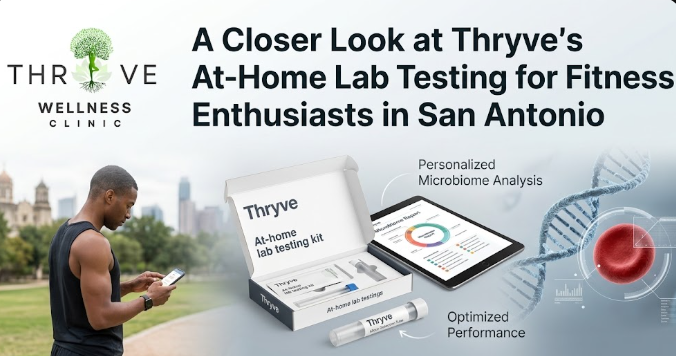
If you train regularly in San Antonio, you probably track plenty of numbers already: miles, lifts, heart rate, sleep scores. What many athletes and gym-goers do not have is a clear look at what is happening inside the body, such as nutrient levels, metabolic markers, and thyroid activity. Lab testing can fill that gap, but only if it is convenient enough to actually get done.
Thryve Wellness Clinic delivers care at home, with plans starting at $119. Thryve advanced diagnostic testing combines a mobile blood draw, a broad set of lab markers, and a clinician who reviews your results with you, so you can understand the numbers instead of just receiving a report.
What Is Advanced Diagnostic Testing?
Advanced diagnostic testing is a broader approach to lab work that measures many related markers, such as nutrients, hormones, metabolic health, and inflammation, rather than a short list of routine screenings. A clinician interprets the results alongside your symptoms, history, and goals to help identify areas worth exploring further.
This type of testing does not diagnose a condition on its own. Think of it as a detailed snapshot that gives you and your clinician better questions to ask and a stronger starting point for a plan.
Who Is It For?
Advanced testing may be worth discussing with a clinician if any of the following sounds like you:
- You train regularly and want baseline numbers to track over time
- You feel unusually tired, sluggish, or slow to recover and are not sure why
- You are changing your nutrition or training and want to see how your body responds
- You have a busy schedule that makes lab visits hard to fit in
- You want a clinician to explain your results instead of just sending a PDF
It is not right for everyone, and it should never delay care for urgent symptoms. If you have chest pain, trouble breathing, or sudden weakness, seek emergency help right away.
Why Fitness-Minded People Look at Labs
Wearables are useful, but they cannot measure what is in your blood. Lab testing can show how markers related to nutrition, metabolism, and inflammation look at a given moment, which may help explain patterns in energy and recovery.
Results are not a verdict on your training, and no test can promise better performance. A responsible clinician uses labs to start a conversation, then matches recommendations to your lifestyle and goals.
Markers Commonly Reviewed
Depending on your history, a clinician may look at several categories:
- Nutrient levels such as vitamin D, B12, and iron-related values
- Thyroid function
- Blood sugar and lipid markers
- Inflammation markers
- Hormone balance when appropriate
Which tests make sense depends on your symptoms and goals, so the list will not be identical for everyone.
Biomarker Panels Explained
Many programs organize related tests into biomarker panels, which are reviewed together to show how different body systems may be interacting. Looking at several markers side by side can reveal patterns that a single number might hide.
Ask which panel is recommended for you and why. You should also ask how often rechecks make sense, since tracking trends over time is often more informative than a single snapshot.
How At-Home Lab Testing Works in San Antonio
At home lab testing San Antonio residents can book follows a simple sequence. You talk with a clinician about your goals, a trained professional collects your blood sample at your door, and the results are reviewed with you by video.
Mobile Blood Draws
Mobile phlebotomy means a trained professional visits your home or workplace to collect your sample. There is no waiting room, no parking, and no detour on the way home from the gym. Samples are sent to a laboratory for analysis.
Video Visits
Through telemedicine, your clinician walks you through what was measured, what the numbers may and may not mean, and what to explore next. Virtual visits also make follow-ups easier, which matters because plans often need small adjustments over time.
Virtual care has limits. Some concerns need an in-person exam, and your clinician will tell you when that is the case.
Choosing a Lab: What to Look For
Many people start with a search for health labs near me and end up comparing a long list of options. A few questions can narrow things down quickly.
Ask how the lab processes samples and what quality standards it follows. For example, you can ask whether samples are handled by a COLA-accredited lab, since COLA is an organization that accredits clinical laboratories. Accreditation is one signal of quality, though it is only one piece of the picture alongside clear communication and clinician follow-up.
Other questions worth asking include:
- Which markers are tested, and why?
- Who reviews my results with me?
- Is follow-up included in the price?
- How will results be shared with my primary care doctor?
Clear answers are a good sign. Vague answers are a reason to keep looking.
What Does Testing Cost?
Costs vary by provider, the tests included, and how many follow-ups you need. Some services charge separately for the visit, the draw, and the review, so the total can be hard to predict.
At Thryve, plans start at $119, and care is delivered at home. Review the pricing page to see how plans are structured, and ask what each one includes. Insurance coverage depends on your plan and the services involved, so check with your insurer if that matters to you.
What Testing Can and Cannot Do
Testing can point to areas worth exploring, such as a low nutrient level or a thyroid value outside the expected range. That information may help your clinician decide whether lifestyle changes, further evaluation, or a referral makes sense.
It cannot diagnose a cause by itself, and it cannot guarantee a specific outcome. Fitness-related symptoms like fatigue or slow recovery often have several overlapping contributors, including sleep, stress, nutrition, training load, and medical conditions. That is why a clinician reads labs in context.
Habits That Make Your Results More Useful
Lab numbers tell more of the story when paired with daily habits. Sleep, balanced meals, hydration, recovery days, and stress management are the areas clinicians return to most often.
In San Antonio, that might mean training early before the heat builds, planning simple meals for the week, or protecting a consistent bedtime. Small, realistic changes tend to last longer than dramatic overhauls, and your clinician can help you choose ones that fit your schedule.
When to Speak With a Healthcare Professional
Talk with a qualified clinician if you have symptoms that persist, worsen, or interfere with daily life or training. Do not wait if something feels urgent. Unexplained chest pain, fainting, or shortness of breath during exercise needs prompt medical attention.
At-home testing can complement your existing care, but it should be coordinated with your primary care physician and any specialists, especially if you take prescription medications or manage a chronic condition.
Conclusion
At-home lab testing gives fitness-minded San Antonio residents a practical way to look beneath the surface of their health. A broad panel, a convenient blood draw, and a clinician who explains the results can turn raw numbers into useful next steps.
If that sounds like the right fit, a conversation with a qualified clinician is a practical way to begin. Asking clear questions about markers, lab quality, and follow-up will help you choose a provider you can trust.
Frequently Asked Questions
What is advanced diagnostic testing?
It is a broader approach to lab work that measures many related markers, such as nutrients, hormones, metabolic health, and inflammation. A clinician interprets the results alongside your symptoms and goals.
Can I get lab testing at home in San Antonio?
Yes. A trained professional can collect your sample at your home or workplace, and a clinician reviews the results with you by video. Some concerns still need an in-person exam.
How much does at-home testing cost?
Costs vary by provider and what is included. At Thryve, plans start at $119, and you can ask what each plan covers before enrolling.
Does lab testing diagnose a condition?
No. Testing highlights areas worth exploring, and your clinician interprets results in context. Further evaluation may be recommended when something falls outside the expected range.
Is testing a replacement for my regular doctor?
No. It works best alongside your primary care physician and specialists, with information shared so your care stays coordinated.
- Technology for Students
- Admissions & Applications
- Online Courses
- Career and Jobs
- Campus Life
- Drinks
- Film
- Fitness
- Food
- Jogos
- Gardening
- Health
- Início
- Literature
- Music
- Networking For Students
- Insights
- Party
- Religion
- Shopping
- Sports
- Theater
- Wellness
- Education News
- Business & Finance For Students
- Security, Law & Crime Education
- Insurance
- Science & Technology For Students
 Portuguese
 English
 Arabic
 French
 Spanish
 Deutsch
 Turkish
 Dutch
 Italiano
 Russian
 Romaian
 Portuguese (Brazil)
 Greek