


Abdominoplasty Dubai: What Factors Determine the Amount of Excess Skin That Can Be Removed?
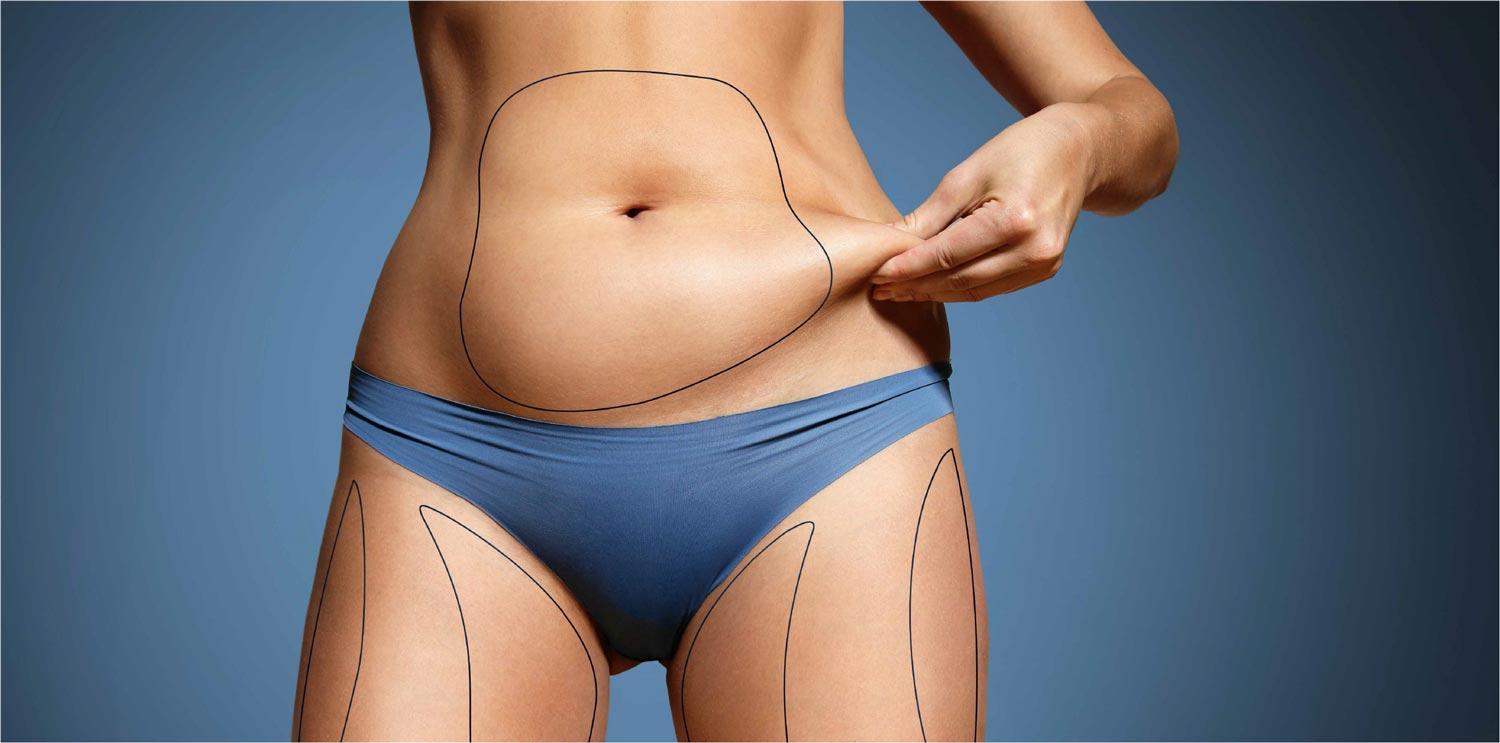
Changes in body weight, pregnancy, ageing, and natural changes in skin elasticity can leave excess skin around the abdomen. Even when someone follows a balanced diet and maintains a regular exercise routine, loose abdominal skin may remain difficult to improve through lifestyle changes alone. This can affect the appearance of the midsection and make it challenging to achieve a firmer abdominal contour.
Abdominoplasty Dubai is a surgical procedure designed to remove excess abdominal skin and create a smoother, more defined stomach area. Depending on the individual's anatomy and treatment objectives, the procedure may also involve tightening weakened abdominal muscles. However, the amount of skin that can be removed is not the same for every patient. Several factors influence the surgical plan, including skin elasticity, the location of loose tissue, abdominal muscle condition, body proportions, and the patient's overall health.
Understanding these factors helps individuals develop realistic expectations before considering surgery. A personalised assessment allows the surgeon to determine how much excess skin can be removed while maintaining appropriate abdominal proportions and supporting a natural-looking result.
Understanding How Abdominoplasty Removes Excess Skin
Abdominoplasty, commonly known as a tummy tuck, focuses on improving the appearance of the abdominal area by removing unwanted skin and, where appropriate, addressing underlying muscle separation.
The procedure generally involves an incision across the lower abdomen, allowing the surgeon to lift and reposition abdominal tissue. Excess skin is then removed, and the remaining skin is carefully adjusted to create a smoother contour.
The amount of tissue removed depends on the individual's abdominal anatomy. Someone with loose skin concentrated below the belly button may require a different surgical approach from someone with extensive skin laxity extending across the upper and lower abdomen.
The objective is not simply to remove as much skin as possible. Instead, the surgeon aims to achieve an appropriate balance between skin removal, abdominal proportions, and natural tissue positioning.
Skin Elasticity and Its Influence on Skin Removal
One of the most important factors determining how much excess abdominal skin can be removed is skin elasticity.
Healthy, elastic skin can stretch and gradually return towards its original position. However, significant weight fluctuations, pregnancy, and ageing can affect the skin's ability to contract. When the skin loses elasticity, it may remain loose even after the underlying body fat has decreased.
During an assessment, the surgeon examines the quality of the abdominal skin, including its thickness, flexibility, and degree of looseness.
Patients with considerable skin laxity may have more removable tissue, although the final amount depends on how the remaining skin can be repositioned comfortably. The surgeon must also consider whether the upper abdominal skin can be brought down sufficiently to close the surgical area appropriately.
The Location and Distribution of Excess Abdominal Skin
The position of loose skin plays an important role in determining the surgical technique and the amount of tissue that can be removed.
Some individuals have excess skin mainly below the belly button, while others experience looseness across the entire abdominal region. The distribution of this tissue influences how the surgeon plans the incision and repositions the remaining skin.
For example, patients with limited lower abdominal looseness may be suitable for a mini tummy tuck. Those with more extensive skin laxity affecting both the upper and lower abdomen may benefit from a full abdominoplasty.
A physical examination helps identify where the skin is most stretched and how much tissue can be removed without creating excessive tension.
The Impact of Previous Pregnancy on Abdominal Skin
Pregnancy can significantly change the appearance and structure of the abdominal area. As the abdomen expands to accommodate a growing baby, the skin stretches over several months. The abdominal muscles and supporting tissues may also separate or become weakened.
After childbirth, the skin does not always return to its previous condition. Some women experience persistent folds, loose tissue, or stretched skin around the lower abdomen.
The extent of these changes varies considerably. Factors such as the number of pregnancies, individual skin characteristics, abdominal expansion, and natural healing processes can influence the amount of remaining loose skin.
During consultation, the surgeon evaluates the extent of abdominal stretching and determines whether the excess tissue can be removed through a standard tummy tuck or whether another surgical approach would be more appropriate.
Patients considering surgery after pregnancy are generally advised to wait until they have completed their planned pregnancies, as another pregnancy can change the abdominal contour again.
Body Weight and Weight Stability
A patient's current weight and weight history are important considerations when planning abdominoplasty.
Significant weight loss can leave substantial amounts of loose skin around the stomach. This is particularly common among individuals who have experienced major weight changes over a relatively short period.
However, a surgeon does not determine the amount of removable skin based solely on body weight. The assessment also considers body proportions, the distribution of remaining fat, and the condition of the abdominal tissues.
Maintaining a relatively stable weight before surgery is generally encouraged because further significant weight changes can influence the final abdominal appearance.
Abdominoplasty is primarily a body-contouring procedure rather than a weight-loss treatment. Its purpose is to address excess skin and improve abdominal shape after weight changes have occurred.
Abdominal Muscle Separation and Its Effect on Surgical Planning
Excess skin is not the only factor that contributes to a protruding abdomen. Some individuals also experience separation of the abdominal muscles, a condition known as diastasis recti.
This separation can occur after pregnancy or significant abdominal stretching. It may create a rounded or protruding appearance even when the amount of excess fat is relatively limited.
During a consultation, the surgeon examines the abdominal wall to determine whether muscle separation is present.
If appropriate, muscle repair may be incorporated into a full abdominoplasty. This involves bringing separated muscles closer together to improve abdominal support and contour.
Muscle tightening and skin removal are separate parts of the procedure, but they can be planned together to address different aspects of abdominal appearance.
The surgeon considers how these structures interact when determining the amount of skin that can be removed.
Choosing Between Mini and Full Abdominoplasty
The extent of excess skin helps determine which type of abdominoplasty may be suitable.
A mini tummy tuck is generally considered for individuals who have a relatively small amount of loose skin concentrated below the belly button. It usually involves a shorter incision and a more limited treatment area.
A full abdominoplasty is designed for patients with more extensive skin laxity involving the upper and lower abdomen. It may also include repositioning the belly button and repairing separated abdominal muscles when clinically appropriate.
The distinction is important because choosing the right procedure helps the surgeon address the actual location and extent of excess tissue.
The decision is based on a physical examination rather than simply the patient's preferred procedure name.
The Role of Abdominal Fat Distribution
Although abdominoplasty focuses on removing excess skin, the amount and location of abdominal fat also influence surgical planning.
Some individuals have loose skin combined with a layer of underlying fat. Others have relatively little abdominal fat but significant skin laxity following weight loss.
The surgeon evaluates the thickness of the tissue and determines whether additional contouring may be appropriate.
In selected cases, liposuction may be considered alongside abdominoplasty to improve the overall abdominal shape. However, this depends on individual anatomy and the surgical approach.
It is important to distinguish between excess skin and excess fat because they require different treatment strategies. Liposuction addresses localised fat deposits, while abdominoplasty removes loose skin.
Previous Abdominal Surgery and Existing Scars
A patient's surgical history can also influence how much abdominal skin can be removed.
Previous procedures, including caesarean sections, abdominal operations, and other surgical treatments, may leave scars or affect the positioning of surrounding tissues.
During consultation, the surgeon examines existing scars, tissue quality, and the abdominal wall. These details help determine an appropriate incision location and surgical approach.
In some cases, existing scars may be incorporated into the planned incision. However, the final approach depends on their position and the condition of the surrounding skin.
A detailed medical and surgical history allows the surgeon to create a treatment plan that reflects the patient's individual circumstances.
How Surgeons Determine the Amount of Skin to Remove
Determining the amount of removable skin requires a combination of physical examination, anatomical assessment, and surgical planning.
The surgeon generally evaluates the following areas:
- Skin laxity: The amount of looseness and the ability of the remaining skin to move towards the lower abdomen.
- Abdominal proportions: The relationship between the upper and lower abdomen and the overall body shape.
- Muscle condition: Whether abdominal muscle separation or weakness is present.
- Tissue distribution: The location and thickness of excess skin and underlying fat.
- Navel positioning: Whether the belly button needs to be repositioned as part of the procedure.
- Patient expectations: The individual's desired abdominal appearance and understanding of achievable results.
Measurements and physical examination help the surgeon estimate how much tissue can be removed while maintaining appropriate skin tension.
The goal is to create a balanced contour rather than pursue the maximum possible removal.
Understanding Abdominoplasty Cost in Dubai
The overall treatment plan can influence the financial considerations associated with surgery. Abdominoplasty Cost in Dubai may vary depending on the complexity of the procedure, the amount of excess skin, the surgical technique, and whether muscle repair or additional contouring is required.
A mini tummy tuck may involve a different surgical plan from a full abdominoplasty, which can affect the overall treatment expenses.
Other considerations may include the surgeon's experience, hospital or surgical facility fees, anaesthesia, and post-operative care arrangements.
Patients should discuss the complete treatment plan during consultation rather than comparing prices based on the procedure name alone. A personalised quotation provides a clearer understanding of the services included and the surgical approach being considered.
What to Expect During an Abdominoplasty Consultation
A consultation is an important opportunity to understand whether abdominoplasty is suitable and how much excess skin may realistically be removed.
The surgeon reviews the patient's medical history, weight changes, previous pregnancies, and any abdominal procedures. A physical examination helps assess skin quality, tissue distribution, muscle condition, and existing scars.
Patients should also explain which areas concern them most and what they hope to achieve through treatment.
Photographs and anatomical measurements may be used to support surgical planning. The surgeon can then discuss the appropriate procedure, expected abdominal changes, and the likely position of the surgical incision.
Open communication helps ensure that the treatment plan reflects both the patient's goals and their anatomical suitability.
Conclusion
The amount of excess skin that can be removed during abdominoplasty depends on several individual factors. Skin elasticity, previous pregnancies, weight fluctuations, abdominal muscle separation, fat distribution, and existing surgical scars all contribute to determining the most appropriate surgical approach.
Abdominoplasty Dubai offers individuals an opportunity to explore abdominal contouring through a personalised surgical plan. However, successful planning is not about removing the greatest possible amount of skin. It involves achieving a smoother abdominal appearance while maintaining suitable tissue tension, natural proportions, and appropriate positioning of the remaining skin.
A detailed consultation with an experienced surgeon is the best way to understand which procedure may be suitable and what results can realistically be achieved.
Frequently Asked Questions
1. How much excess skin can be removed during abdominoplasty?
The amount varies from patient to patient. It depends on skin elasticity, the location of loose tissue, abdominal proportions, and how comfortably the remaining skin can be repositioned.
2. Does a full tummy tuck remove more skin than a mini tummy tuck?
Generally, yes. A full tummy tuck addresses more extensive skin laxity across the abdomen, whereas a mini tummy tuck primarily focuses on excess skin below the belly button.
3. Can abdominoplasty remove loose skin after pregnancy?
Yes. Abdominoplasty can remove excess abdominal skin that remains after pregnancy. Depending on the patient's anatomy, the procedure may also include tightening separated abdominal muscles.
4. Does weight loss determine how much skin can be removed?
Weight loss can contribute to significant skin laxity, but it does not independently determine the amount of removable tissue. Skin quality, abdominal anatomy, and body proportions are also important.
5. Can abdominal muscles be tightened during abdominoplasty?
Yes. When abdominal muscle separation is present, the surgeon may perform muscle repair as part of the procedure, depending on the patient's suitability.
6. Is abdominoplasty a weight-loss procedure?
No. Abdominoplasty is primarily intended to remove excess skin and improve abdominal contours. It is generally more suitable for individuals who are already close to their preferred stable weight.
7. Will the belly button change position during a tummy tuck?
During a full abdominoplasty, the belly button is often repositioned to maintain a natural appearance after the excess abdominal skin has been removed. A mini tummy tuck may not require the same approach.
8. How is the amount of removable skin calculated?
The surgeon assesses skin looseness, tissue flexibility, abdominal measurements, muscle condition, and the movement of the remaining skin. These factors help establish an appropriate removal plan.
9. Does the amount of excess skin affect abdominoplasty cost in Dubai?
Yes. The extent of skin removal and the complexity of the surgical plan can influence the overall cost. Additional procedures, such as muscle repair, may also affect the treatment quotation.
10. How can I find out whether I need a mini or full abdominoplasty?
A consultation and physical examination can help determine the most suitable procedure. The surgeon evaluates the location of excess skin, abdominal muscle condition, and individual treatment goals before making a recommendation.
- Technology for Students
- Admissions & Applications
- Online Courses
- Career and Jobs
- Campus Life
- Drinks
- Film
- Fitness
- Food
- Spiele
- Gardening
- Health
- Startseite
- Literature
- Music
- Networking For Students
- Insights
- Party
- Religion
- Shopping
- Sports
- Theater
- Wellness
- Education News
- Business & Finance For Students
- Security, Law & Crime Education
- Insurance
- Science & Technology For Students
 Deutsch
 English
 Arabic
 French
 Spanish
 Portuguese
 Turkish
 Dutch
 Italiano
 Russian
 Romaian
 Portuguese (Brazil)
 Greek