


ISEN OEM Bag Manufacturer: How Custom Materials Shape Modern Bag Design
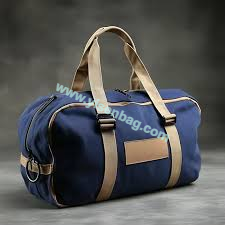
How Material Selection and Functional Design Shape Modern Custom Bags
Bags have become much more than simple accessories for carrying personal belongings. They reflect individual lifestyles, support daily activities, and communicate the identity of the brands behind them. For businesses planning to develop their own collections, working with an OEM Bag Manufacturer creates opportunities to transform original concepts into practical products. From choosing suitable fabrics to refining storage structures and visual details, every manufacturing decision influences how a bag performs, feels, and appeals to its intended customers.
Understanding Materials Used in Bag Manufacturing
Material selection is one of the earliest decisions in custom bag development. Different fabrics create different experiences in terms of appearance, flexibility, durability, and maintenance. Polyester is widely used in everyday bags because it offers versatile styling possibilities and practical handling. Nylon is appreciated for its lightweight character and adaptability, making it suitable for travel accessories, backpacks, and casual bags.
Canvas offers another design direction. Its recognizable texture and relaxed appearance make it attractive for shopping bags, promotional products, and lifestyle collections. For brands seeking a more refined presentation, synthetic leather can introduce a smooth surface and structured appearance without relying on traditional leather materials.
The choice of lining, zippers, buckles, handles, and stitching materials is equally important. These components influence how the bag opens, closes, carries weight, and withstands repeated use. A successful design considers the entire material combination rather than focusing only on the exterior fabric.
A Buying Guide for Custom Bag Projects
Before selecting a manufacturing partner, buyers should define the purpose of their intended products. A travel bag requires different organizational features from a shopping tote or a business backpack. Understanding the target customer helps determine the appropriate material, shape, storage arrangement, and overall appearance.
Buyers should also examine samples carefully. The quality of stitching, smoothness of zippers, strength of handles, lining arrangement, and finishing details can reveal how much attention has been given to product construction. Testing pockets and compartments during everyday handling can also help identify whether the design is genuinely convenient.
Communication is another important part of purchasing. Brands should be able to explain their preferred materials, reference designs, logo placement, and packaging expectations. A manufacturing partner that understands these requirements can provide more relevant suggestions during product development.
Zhejiang Yisen Bags Co., Ltd. works with customized bag products, offering opportunities for businesses to explore different styles and manufacturing possibilities according to their market requirements.
Manufacturing Technology and Functional Details
Modern bag manufacturing combines traditional craftsmanship with organized production processes. Cutting, printing, sewing, reinforcement, zipper installation, and final inspection all contribute to the finished product. Each stage requires coordination to maintain the intended shape and appearance.
Pattern development is particularly important because it determines how individual fabric pieces fit together. Accurate cutting helps reduce unnecessary material waste, while careful sewing contributes to clean edges and stable construction. Reinforced stitching around handles and frequently used connection points can support the practical demands of everyday carrying.
Printing and logo application also influence the final presentation. Embroidery, heat transfer, and other decorative techniques allow brands to communicate their identity through different visual approaches. Selecting an appropriate method depends on the fabric, design concept, and desired appearance.
Functional design should be considered alongside manufacturing processes. A compartment is useful only when its position and opening are convenient. Zippers should be accessible, handles should feel comfortable, and internal organization should match the belongings users commonly carry.
User Experience and Everyday Convenience
Consumers often judge a bag through repeated daily interactions rather than its appearance alone. A backpack should distribute belongings in an organized way, while a tote should provide convenient access to frequently used items. Travel bags may need separate storage areas that help users distinguish clothing, accessories, and personal essentials.
Comfort is closely connected to carrying structure. Handle width, strap adjustment, padding, and the balance of the bag can influence how it feels during use. A well-planned design considers how people move, commute, shop, travel, and store their belongings.
Maintenance also affects customer satisfaction. Materials that are easy to clean and surfaces that resist ordinary handling marks can make a bag more practical for regular use. Clear product care information helps consumers understand how to maintain their purchases.
Appearance, Branding, and Product Identity
A bag's visual design communicates its intended personality. Minimalist silhouettes may appeal to customers who prefer understated accessories, while bold colors and decorative details can attract people looking for expressive fashion items.
Color coordination, surface texture, logo placement, and hardware finishes should work together. Even small details, such as zipper pulls and lining colors, can influence the overall impression. Consistency across a collection also helps customers recognize products associated with the same brand.
Packaging deserves attention as well. A thoughtfully presented bag can create a stronger first impression when customers receive their orders. For businesses selling through retail stores or online platforms, product photography and packaging should communicate the same design identity.
Brands developing new collections can explore fabric choices, structural adjustments, logo customization, and production arrangements with experienced manufacturers. When considering a new bag concept, an OEM Bag Manufacturer can help connect these decisions with practical production, and businesses can explore customized bag solutions and product possibilities through https://www.yisenbag.com/product while developing products that reflect their own market positioning and customer expectations.
- Technology for Students
- Admissions & Applications
- Online Courses
- Career and Jobs
- Campus Life
- Drinks
- Film
- Fitness
- Food
- Jogos
- Gardening
- Health
- Início
- Literature
- Music
- Networking For Students
- Insights
- Party
- Religion
- Shopping
- Sports
- Theater
- Wellness
- Education News
- Business & Finance For Students
- Security, Law & Crime Education
- Insurance
- Science & Technology For Students
 Portuguese (Brazil)
 English
 Arabic
 French
 Spanish
 Portuguese
 Deutsch
 Turkish
 Dutch
 Italiano
 Russian
 Romaian
 Greek