


HONGYANG Solutions for Bulk Packaging Requirements
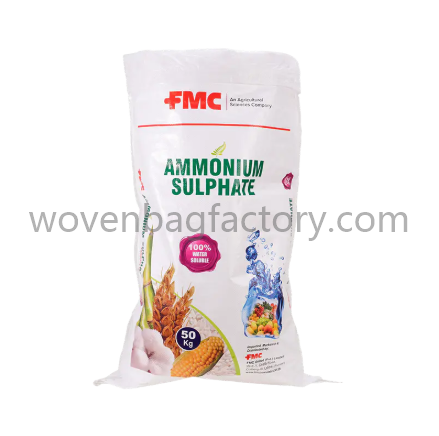
Businesses handling bulk materials need packaging that fits their products, filling processes, and distribution conditions. Working with a Polypropylene Sacks Manufacturer allows purchasing teams to coordinate material selection, bag construction, finishing, and production planning with a specialized supplier. Polypropylene woven sacks are widely used in agriculture, construction, and industrial markets because their structure offers practical strength while remaining relatively lightweight. Their suitability depends on the characteristics of the contents, the bag's construction, and the conditions encountered during normal handling.
The manufacturing process starts with polypropylene resin, which is processed into thin film through extrusion. The film is slit into narrow tapes and stretched under controlled conditions to develop properties suitable for weaving. These tapes are wound onto bobbins and supplied to weaving machines, where they are interlaced into fabric. The quality of the resulting material depends on the consistency of the raw material and the control of extrusion, stretching, and weaving processes. Stable production conditions help prepare the fabric for further conversion.
Different applications require different bag characteristics. Sacks used for grain or animal feed may need to work efficiently with filling and stacking operations. Packaging for fertilizers, mineral products, or construction materials may involve different handling and storage considerations. Buyers should consider the weight and physical properties of the contents, the expected storage period, and the transportation environment. These details help determine appropriate fabric construction, bag dimensions, stitching arrangements, and finishing options.
Converting woven fabric into finished sacks involves cutting, folding, sewing, and other operations. The bag design may include different openings, closures, and bottom structures according to the customer's filling equipment and handling practices. Printing can provide product information, brand identity, and handling instructions. When additional surface protection is required, lamination or coating may also be considered. The best configuration is one that meets the practical needs of the application without introducing unnecessary production complexity.
Quality management should be integrated into each manufacturing stage. Raw material inspections help verify incoming production inputs, while extrusion and weaving checks support material consistency. During bag conversion, manufacturers can monitor dimensions, seam quality, printing alignment, and overall appearance. Depending on the application, buyers may request additional checks for relevant physical properties. Establishing clear inspection criteria before production begins makes it easier to evaluate finished products and maintain consistent expectations across multiple orders.
The distribution process can influence packaging performance as much as the manufacturing process. Sacks may be filled mechanically, handled manually, stacked on pallets, moved through warehouses, and transported over long distances. These activities can expose the packaging to friction, pressure, and repeated handling. Suitable construction helps address these demands, but the bag should always be assessed alongside the filling method, storage conditions, and handling practices. Clear application information helps manufacturers recommend more appropriate options.
Printing and customization can support commercial differentiation. Businesses may request different colors, graphics, logos, and product descriptions to match their brands or customer requirements. Consistent visual presentation can make products easier to identify during storage and distribution. Buyers should prepare accurate artwork and confirm layout details before production. Changes to printing files or bag dimensions after approval may affect scheduling, so sample confirmation is a useful part of the development process.
For importers and distributors, supplier reliability includes more than product quality. Production capacity, communication, lead-time management, packaging for shipment, and the ability to meet agreed specifications all influence purchasing decisions. Buyers can compare suppliers by reviewing samples, discussing quality procedures, and confirming arrangements for repeat orders. Forecast sharing can help manufacturers plan materials and production schedules, while clear documentation makes coordination easier for purchasing and logistics teams.
Environmental planning should consider the full lifecycle of woven sacks. Efficient material use can reduce unnecessary consumption, while suitable durability may allow reuse in applications where the bag's condition and previous contents make it appropriate. Recycling possibilities depend on local collection systems, contamination, coatings, and material composition. Buyers should evaluate available disposal and recycling arrangements in their destination markets instead of relying on general assumptions about packaging recovery.
Choosing a Polypropylene Sacks Manufacturer means evaluating material processing, quality management, product suitability, and long-term cooperation together. HONGYANG supports woven packaging needs across different industries, helping buyers explore options for their bulk products and distribution requirements. To review available packaging solutions and prepare for sourcing discussions, visit https://www.wovenbagfactory.com/product/kraft-paper-bag/.
- Technology for Students
- Admissions & Applications
- Online Courses
- Career and Jobs
- Campus Life
- Drinks
- Film
- Fitness
- Food
- Jeux
- Gardening
- Health
- Domicile
- Literature
- Music
- Networking For Students
- Insights
- Party
- Religion
- Shopping
- Sports
- Theater
- Wellness
- Education News
- Business & Finance For Students
- Security, Law & Crime Education
- Insurance
- Science & Technology For Students
 French
 English
 Arabic
 Spanish
 Portuguese
 Deutsch
 Turkish
 Dutch
 Italiano
 Russian
 Romaian
 Portuguese (Brazil)
 Greek