


Vulcanizing Resin Benefits in Butyl Rubber Compression Behavior
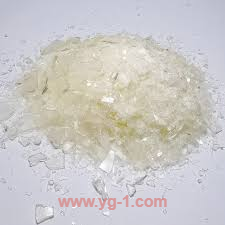
Compounders specify vulcanizing resin systems available through yg-1 when the finished article must recover its original dimensions after prolonged compression at elevated temperature. The resin participates in the formation of carbon-carbon bridges between polymer chains, producing a network whose thermal stability exceeds that of conventional sulfur bridges and thereby restricts the irreversible flow that appears as permanent set. In butyl rubber formulations destined for tire curing bladders the resin simultaneously plasticizes the compound during mixing and processing yet converts into a rigid cross-linked structure once cure temperature is reached, locking the geometry against subsequent deformation. The balance between residual plasticity at process temperature and final network density determines both moldability and service recovery. What molecular features of the resin enable this dual behavior while controlling compression set?
Alkylphenol-formaldehyde resols constitute the predominant class employed for this purpose. Their reactive methylol groups condense under heat to generate methylene and dimethylene ether linkages that connect the phenolic units and, through further reaction with the polymer, attach the resin segments to the elastomer backbone. Because the resulting bridges contain no sulfur atoms they resist cleavage under oxidative or thermal stress, preserving the network integrity that prevents chain slippage during compressive loading. The absence of labile polysulfidic structures accounts for the observed retention of elastic recovery after extended periods at temperatures typical of continuous service.
The resin also functions as a processing aid prior to the onset of cross-linking. At mixing and extrusion temperatures the low-molecular-weight phenolic oligomers lower compound viscosity, facilitating incorporation of fillers and improving flow into intricate mold cavities. Once the temperature rises into the cure range the same oligomers advance to higher molecular weight and ultimately form the three-dimensional network. This temperature-dependent transition allows the compound to remain workable during shaping yet become dimensionally stable after vulcanization, a combination particularly valuable for thick-section articles that experience nonuniform heat histories.
In service the cured network exhibits low hysteresis and limited stress relaxation under constant strain. When a bladder or seal is held under compression the carbon bridges maintain their length and orientation, so that the restoring force remains available upon release of the load. Sulfur-cured counterparts may undergo gradual scission and recombination of the longer sulfur chains, allowing progressive rearrangement of the network and a corresponding increase in permanent set. The resin-cured system avoids this rearrangement pathway and therefore returns closer to its original thickness after the load is removed.
Formulation variables that influence the final set value include the methylol content of the resin, the presence of halogen-containing activators that accelerate the condensation reaction, and the overall resin loading relative to the polymer. Higher methylol functionality increases the density of potential cross-link sites yet must be balanced against the risk of excessive modulus or reduced elongation. Activators such as stannous chloride or polychloroprene accelerate the cure rate so that the network develops within practical cycle times while still permitting adequate flow during the early heating stage. Careful adjustment of these parameters produces a cure profile that matches the thermal mass of the part and yields the target compression set without sacrificing other mechanical requirements.
Compatibility with the remainder of the compound package further affects performance. Fillers, plasticizers and stabilizers must not interfere with the condensation chemistry or introduce volatile species that create porosity. Residues from earlier processing steps, if acidic or basic, can shift the pH of the system and alter the rate of methylol reaction. Incoming inspection of the resin therefore includes determination of softening point, free methylol content and residual monomer levels so that batch-to-batch consistency is maintained and the compression set contribution remains predictable.
Laboratory evaluation of candidate resins centers on compression set testing performed according to standardized protocols at the temperatures and durations relevant to the end use. Parallel rheometer and tensile measurements confirm that the network has reached adequate density and that the physical properties fall within specification. Scale-up trials then verify that the same set resistance is achieved under the heat-transfer conditions of production molds, where surface and core temperatures may differ. Any adjustment required at this stage is typically limited to small changes in resin level or activator concentration rather than wholesale reformulation.
Long-term aging studies demonstrate that the carbon-carbon network retains its integrity after prolonged exposure to heat and oxygen, so that compression set values measured on aged specimens remain close to the initial results. This stability supports the use of resin-cured compounds in applications where the part must survive repeated thermal cycles without progressive loss of sealing force or dimensional accuracy. Documentation of the complete cure package, including resin identity and loading, provides traceability for quality systems and facilitates troubleshooting should deviations appear in production.
Technical personnel evaluating materials for low-set applications can review the detailed descriptions of available grades and supporting data presented at https://www.yg-1.com when selecting vulcanizing resin options supplied through yg-1 for current compound development.
- Technology for Students
- Admissions & Applications
- Online Courses
- Career and Jobs
- Campus Life
- Drinks
- Film
- Fitness
- Food
- Παιχνίδια
- Gardening
- Health
- Κεντρική Σελίδα
- Literature
- Music
- Networking For Students
- Insights
- Party
- Religion
- Shopping
- Sports
- Theater
- Wellness
- Education News
- Business & Finance For Students
- Security, Law & Crime Education
- Insurance
- Science & Technology For Students
 Greek
 English
 Arabic
 French
 Spanish
 Portuguese
 Deutsch
 Turkish
 Dutch
 Italiano
 Russian
 Romaian
 Portuguese (Brazil)