


Efficient Tools for Wallpaper Pasting and Smoothing
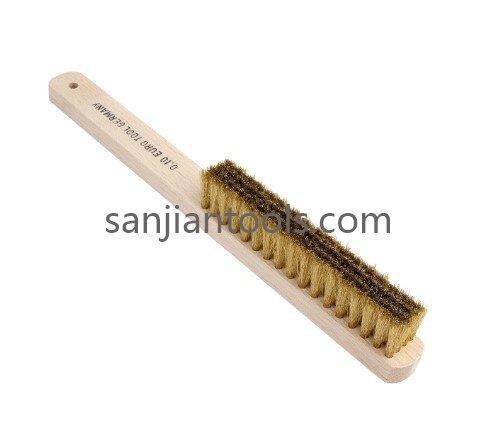
Wallpaper installation requires careful preparation and consistent handling to achieve a smooth and attractive wall finish. From applying adhesive to smoothing the material and removing trapped air, each stage depends on suitable tools and a controlled working method. For decorating contractors, hardware distributors, and renovation suppliers, a Wallpaper Brush is an important accessory for supporting wallpaper application and finishing tasks. Its practical value depends on bristle flexibility, brush-head construction, handle comfort, and compatibility with different wall covering materials.
Bristle material is a key factor in brush design. Synthetic fibers are commonly used because they can offer consistent flexibility, moisture resistance, and convenient cleaning after adhesive-related work. Natural fibers may also be selected for particular brush styles or traditional applications. The choice should reflect the intended wallpaper type and working method. Bristles that are too stiff may leave marks or damage delicate paper surfaces, while overly soft fibers may provide insufficient control when smoothing thicker wall coverings.
Brush-head dimensions influence application efficiency. Wider brushes can cover larger sections of wallpaper, helping installers distribute pressure across the material during smoothing. Narrower designs are useful around corners, edges, and restricted spaces where greater control is needed. The arrangement and density of the bristles should remain consistent to support even contact. A well-designed head allows users to guide the wallpaper gradually without concentrating excessive pressure on a small area.
Handle construction also contributes to usability. Plastic handles are lightweight, easy to clean, and available in different shapes and colors. Wooden handles provide a traditional alternative and may appeal to users who prefer a particular grip feel. Handle length and surface texture affect how comfortably installers can control the brush during repetitive work. A secure connection between the handle and brush head is essential because loose components can interrupt the installation process and affect product reliability.
Manufacturing quality depends on the control of several production stages. Fiber selection, cutting, bristle arrangement, fastening, handle finishing, and final assembly all influence the finished brush. Uneven bristle distribution may create inconsistent pressure, while loose fibers can become trapped beneath wallpaper. Quality inspection should examine bristle retention, head alignment, handle stability, and visible surface defects. For wholesale orders, approved samples and consistent production procedures help maintain product uniformity.
Different wallpaper materials may require different brushing approaches. Traditional paper wallpaper can be more sensitive to excessive pressure than some thicker vinyl or nonwoven products. Installers should follow the wallpaper manufacturer's instructions regarding adhesive application and smoothing techniques. A brush should be moved with controlled strokes, paying attention to seams, edges, and printed patterns. Testing on a small section can help confirm whether the bristle material is suitable for the selected wall covering.
Wallpaper brushes are commonly included in decorating toolkits alongside adhesive applicators, seam rollers, trimming knives, and measuring tools. Residential renovation contractors may need compact brushes for smaller rooms, while commercial decorating teams may prefer broader designs for larger projects. Hardware retailers and building material distributors can serve different customer groups by offering suitable brush styles for common installation requirements. Clear product descriptions make it easier for customers to identify the right tool.
Packaging and customization are relevant to international sourcing. Individual packaging can protect the brush during transportation and support retail display, while bulk packaging may be suitable for professional supply businesses. Depending on production capabilities, OEM orders can include customized handle colors, printed branding, product labels, and packaging artwork. Buyers should confirm the brush design, material requirements, sample approval, order quantities, and delivery arrangements before production begins.
Proper maintenance can help extend the useful life of a decorating brush. Adhesive residue should be removed according to the cleaning instructions for the bristle and handle materials. Dried adhesive can stiffen fibers and reduce their flexibility, making the brush less effective during future work. After cleaning, the brush should be stored in a suitable dry location with its bristles protected from deformation. Damaged or heavily worn brushes should be replaced when they no longer provide consistent contact.
For decorating suppliers and renovation businesses, choosing suitable bristle materials, practical handle designs, and consistent manufacturing quality helps build a useful range of installation accessories. A Wallpaper Brush should match the wallpaper material and application method to support controlled installation and finishing. Buyers looking for additional brush products and hand tools can explore the available range at https://www.sanjiantools.com/product for wholesale sourcing and product development.
- Technology for Students
- Admissions & Applications
- Online Courses
- Career and Jobs
- Campus Life
- Drinks
- Film
- Fitness
- Food
- Jogos
- Gardening
- Health
- Início
- Literature
- Music
- Networking For Students
- Insights
- Party
- Religion
- Shopping
- Sports
- Theater
- Wellness
- Education News
- Business & Finance For Students
- Security, Law & Crime Education
- Insurance
- Science & Technology For Students
 Portuguese (Brazil)
 English
 Arabic
 French
 Spanish
 Portuguese
 Deutsch
 Turkish
 Dutch
 Italiano
 Russian
 Romaian
 Greek