


How Can Stoney Creek Residents Protect Their Vision?
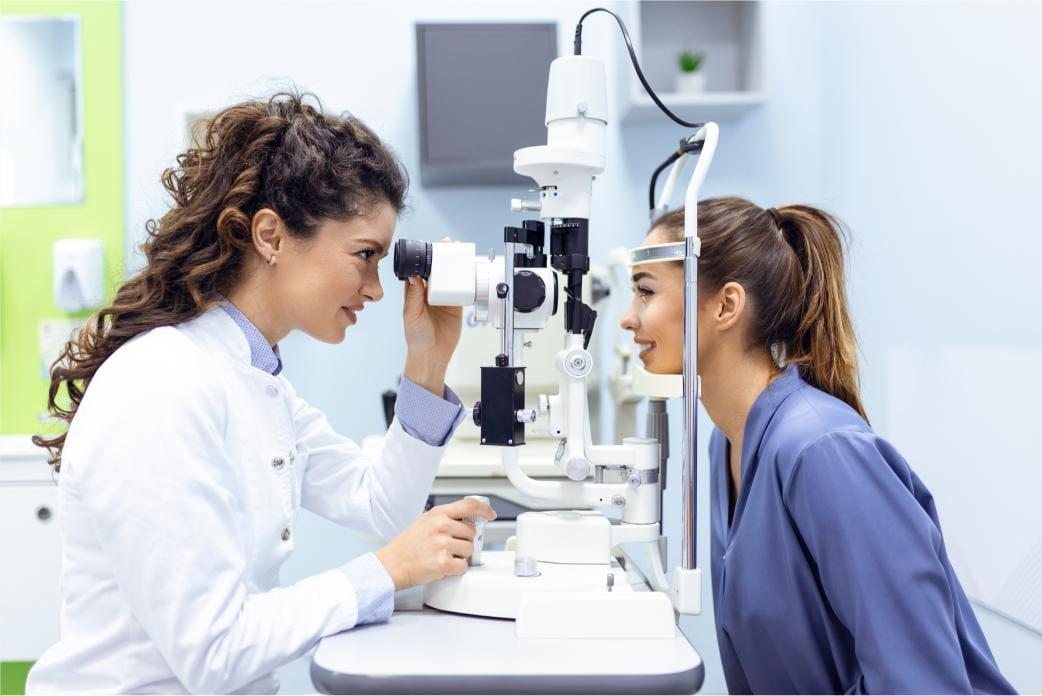
Vision is easy to take for granted. You use it from the moment you wake up. Protecting it takes small, steady actions. Many eye problems can be prevented or delayed. Others can be treated well when found early. This guide offers practical steps for Stoney Creek residents. It covers food, safety, screen habits, and professional care. Choose a few ideas and start today.
Fuel Your Eyes With Good Nutrition
Food has a direct impact on eye health. Leafy greens contain lutein and zeaxanthin. These compounds help protect the macula. Fatty fish like salmon and sardines supply omega-3s. Omega-3s support tear quality and retinal cells. Citrus fruits, berries, and peppers offer vitamin C. Nuts and seeds provide vitamin E. Eggs, beans, and whole grains add zinc and other nutrients. Colorful plates usually mean more variety. Limit heavily processed foods and sugary drinks. Stable blood sugar helps protect small blood vessels. Healthy meals support both your eyes and your body.
Protect Against Ultraviolet Light
Sunlight contains invisible ultraviolet rays. Over time, they can damage the eyes. They raise the risk of cataracts and macular problems. They can also cause growths on the eye surface. Wear sunglasses whenever you are outside. Choose lenses that block nearly all UV rays. Larger or wraparound frames give better coverage. Add a wide-brimmed hat for extra shade. Children need protection too. Do not skip eyewear on cloudy days. Winter snow reflects light strongly. Make sun protection a year-round habit.
Use Smart Screen Habits
Screens are helpful tools but tiring for the eyes. Long sessions strain focusing muscles. Blinking drops, and the eyes dry out. Use the twenty-twenty-twenty rule often. Every twenty minutes, look twenty feet away for twenty seconds. Position your screen slightly below eye level. Keep it about an arm’s length away. Reduce glare with curtains or matte filters. Increase font size to avoid leaning in. Take longer breaks every hour. Walk around and stretch. Children need clear limits on recreational screen time. Balanced habits protect comfort and focus.
Wear Safety Eyewear
Eye injuries are common and often avoidable. Home repairs, yard work, and sports create risk. Flying debris can scratch or puncture the eye. Chemicals can burn the surface quickly. Wear safety glasses with side shields for hazardous tasks. Use goggles with power tools. Choose protective gear for hockey, squash, and similar sports. Keep cleaning products away from your face. Read labels carefully. If a splash occurs, rinse with clean water immediately. Seek urgent care afterward. A small precaution can prevent a lifelong problem.
Maintain Healthy Lifestyle Habits
Your overall health shapes your eye health. Smoking increases the risk of cataracts and macular degeneration. It also harms the optic nerve. Quitting brings benefits at any age. Limit alcohol and stay hydrated. Exercise improves circulation and helps control weight. It also lowers the risk of diabetes and high blood pressure. Get enough sleep so your eyes can rest and recover. Manage stress through relaxation or hobbies. Poor sleep can worsen dryness and strain. Healthy routines support clear sight. They also improve energy and mood.
Control Chronic Health Conditions
Some health conditions threaten the eyes directly. Diabetes can damage retinal blood vessels. High blood pressure can strain them too. High cholesterol may also play a role. Follow your treatment plan and take medications as prescribed. Monitor blood sugar and blood pressure regularly. Keep your appointments with your family physician. Share your health updates with your optometrist. Together, they can adjust your care plan. Good control reduces the chance of vision loss. Yearly dilated eye exams are especially important for people with diabetes. Do not skip them.
Schedule Regular Professional Exams
Daily habits are powerful, but they are not enough alone. Many conditions have no early symptoms. Only a full exam can find them in time. Local residents can rely on an eye doctor Stoney Creek clinic for thorough evaluations. Ask how often you should visit. Children, seniors, and high-risk adults may need yearly checks. Keep your prescriptions and reports in one place. Share your family history openly. Report any new symptoms promptly. Consistent care helps your optometrist detect subtle changes. It also builds trust and comfort over time.
Care for Your Contact Lenses
Contact lenses require careful habits. Always wash and dry your hands before handling them. Follow the replacement schedule exactly. Never sleep in lenses unless they are approved for that use. Avoid water exposure, including showers and swimming. Use fresh solution each time. Clean and replace the lens case regularly. Remove lenses if your eyes feel red or painful. Do not reuse old solution. Keep glasses as a backup. Attend yearly fitting checks. Safe habits greatly reduce the risk of infection and ulcers.
Manage Dry Eye and Allergies
Dryness and allergies are common sources of discomfort. Cold weather and indoor heating can worsen dryness. Blink fully and often during concentration. Use a humidifier if indoor air feels dry. Warm compresses can improve oil gland function. Artificial tears bring quick relief. Avoid rubbing itchy eyes. Cool compresses ease irritation. Wash hands, bedding, and clothing to reduce allergens. Keep windows closed during peak pollen days. If symptoms persist, ask your optometrist. Stronger treatments may help. Do not ignore ongoing discomfort.
Support Children’s Eye Health
Healthy habits start early. Encourage outdoor play every day. Time outside may slow the progress of nearsightedness. Set sensible screen limits and enforce breaks. Make sure children sit at a comfortable distance. Provide healthy snacks rich in fruits and vegetables. Teach them to avoid rubbing their eyes. Schedule regular exams even if they do not complain. Watch for squinting, head tilting, or poor reading habits. Share results with teachers. Young eyes grow quickly and need frequent checks. Protecting vision now supports learning for years.
Plan for Aging Eyes
Older eyes need extra support. Cataracts, glaucoma, and macular degeneration become more common. Good lighting makes reading and cooking safer. Use bright bulbs and reduce glare. Mark steps and edges with high-contrast tape. Keep floors clear to prevent falls. Large-print books and magnifiers help with close tasks. Take eye drops exactly as directed. Ask questions about side effects. Report sudden changes in sight immediately. Keep appointments even when vision seems stable. Family support can make adjustment easier. Early care preserves independence.
Recognize Urgent Warning Signs
Certain symptoms demand immediate attention. Sudden vision loss is an emergency. So are flashes of light and a shadow or curtain over your sight. A rush of new floaters also needs urgent care. Severe eye pain with redness or nausea should not wait. Double vision and sudden light sensitivity are serious too. Chemical splashes need rinsing and quick assessment. Do not wait for symptoms to pass. Call your clinic or go to emergency care. Early treatment can save sight. Keep contact details handy.
Final Thoughts
Protecting your vision is a lifelong effort. Good food, sun protection, safe habits, and screen breaks all matter. Control chronic conditions and avoid smoking. Add regular professional exams to catch silent disease. Small steps repeated daily deliver strong results. Stoney Creek residents can start with one change today. Then book your next appointment and keep your eyes healthy for years.
- Technology for Students
- Admissions & Applications
- Online Courses
- Career and Jobs
- Campus Life
- Drinks
- Film
- Fitness
- Food
- Jogos
- Gardening
- Health
- Início
- Literature
- Music
- Networking For Students
- Insights
- Party
- Religion
- Shopping
- Sports
- Theater
- Wellness
- Education News
- Business & Finance For Students
- Security, Law & Crime Education
- Insurance
- Science & Technology For Students
 Portuguese (Brazil)
 English
 Arabic
 French
 Spanish
 Portuguese
 Deutsch
 Turkish
 Dutch
 Italiano
 Russian
 Romaian
 Greek