


Backhoe Loaders: A Versatile Solution for Construction and Excavation
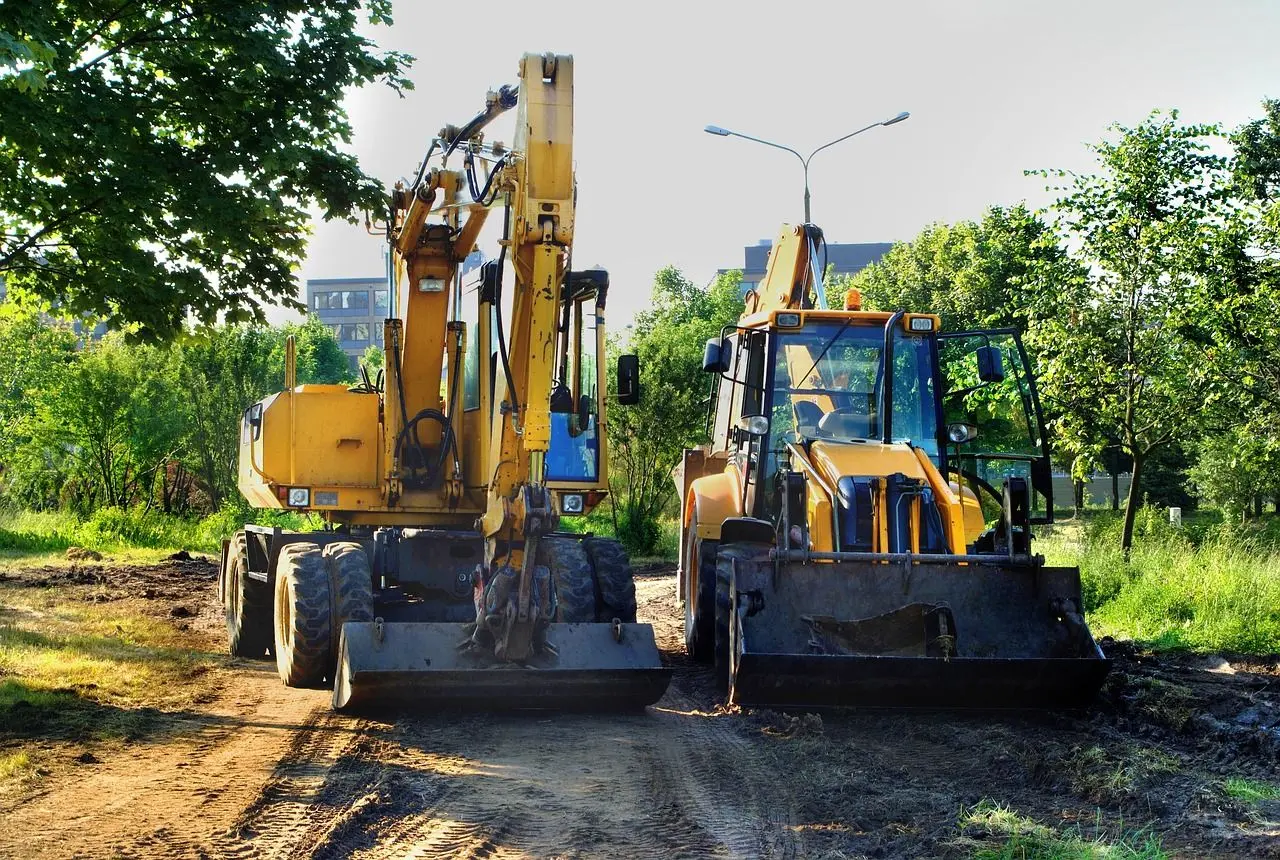
Construction projects often require machinery that can handle digging, loading, trenching, and material movement without occupying too much space on the jobsite. Backhoe loaders combine a front loader bucket with a rear excavating arm, allowing contractors to complete several tasks with one machine. This versatility makes them useful for roadwork, utility installation, landscaping, and general construction.
Understanding Backhoe Loader Applications
A backhoe loader can perform different jobs throughout a project. The front bucket helps move soil, gravel, sand, and construction debris, while the rear backhoe is designed for digging trenches, foundations, and drainage channels.
These machines are particularly useful for contractors working on small to medium-sized projects where transporting multiple machines may increase costs and complicate scheduling.
Selecting the Right Machine
Before purchasing a backhoe loader, contractors should evaluate digging depth, loader capacity, lifting performance, engine power, operating weight, and machine dimensions. The right combination depends on the type of work, site conditions, and expected workload.
Four-wheel drive, tire condition, cab visibility, and operator comfort can also influence performance. Buyers should consider whether the machine will operate mainly on paved surfaces, compacted soil, or uneven construction sites.
Evaluating Equipment Before Buying
When researching backhoe loaders for sale, compare specifications, operating hours, service history, and overall mechanical condition. A detailed inspection should cover the engine, transmission, hydraulic cylinders, hoses, boom, stabilizers, loader arms, and both buckets.
For used machinery, check for excessive joint movement, hydraulic leaks, structural cracks, and signs of poor maintenance. Testing the loader and backhoe functions under appropriate conditions can help identify problems before making a purchase.
Improving Jobsite Efficiency
Backhoe loaders can reduce equipment changes because one machine performs multiple functions. However, productivity still depends on proper planning, operator experience, and suitable attachments.
Contractors should organize digging and loading activities to minimize unnecessary machine movement. Compatible buckets and other approved attachments can expand the machine's capabilities, provided they meet the manufacturer's specifications and operating limits.
Maintenance and Long-Term Costs
Routine maintenance is essential for reliable performance. Operators should inspect fluid levels, hydraulic connections, tires, brakes, stabilizers, and safety equipment according to the manufacturer's maintenance schedule.
The purchase price is only one part of the total investment. Fuel consumption, servicing, replacement parts, transportation, and potential repairs should also be considered when calculating ownership costs. A machine that matches the workload can help avoid unnecessary expenses.
- Technology for Students
- Admissions & Applications
- Online Courses
- Career and Jobs
- Campus Life
- Drinks
- Film
- Fitness
- Food
- Игры
- Gardening
- Health
- Главная
- Literature
- Music
- Networking For Students
- Insights
- Party
- Religion
- Shopping
- Sports
- Theater
- Wellness
- Education News
- Business & Finance For Students
- Security, Law & Crime Education
- Insurance
- Science & Technology For Students
 Russian
 English
 Arabic
 French
 Spanish
 Portuguese
 Deutsch
 Turkish
 Dutch
 Italiano
 Romaian
 Portuguese (Brazil)
 Greek