


Factors to Consider When Buying a Commercial Work Truck
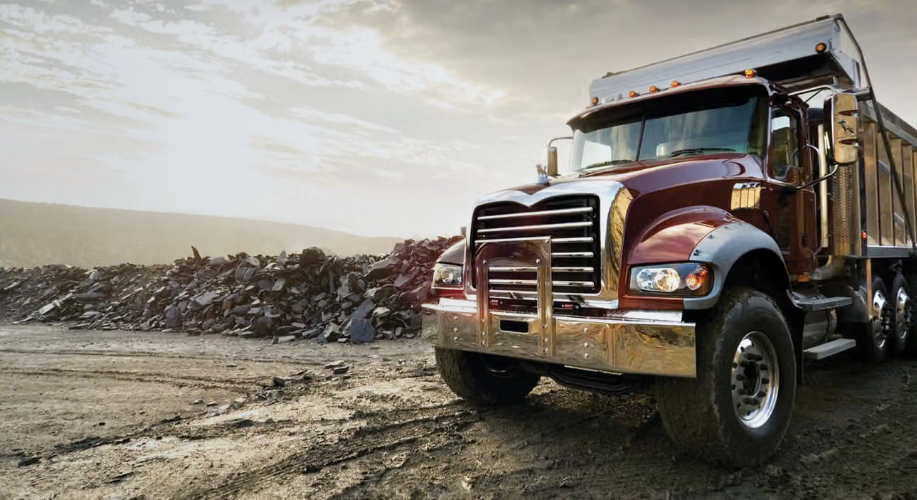
Commercial work trucks are essential for businesses involved in construction, transportation, equipment delivery, and material handling. The right truck can help companies move supplies efficiently, support daily operations, and reduce transportation delays. Before making a purchase, buyers should evaluate their business requirements and the long-term costs of ownership.
Identify Your Daily Transportation Needs
Start by determining how the truck will be used. Some businesses need vehicles for transporting tools and small equipment, while others require heavy-duty trucks for hauling materials or supporting larger machinery.
Consider the expected payload, travel distance, road conditions, and frequency of use. Choosing a truck that matches these requirements can improve efficiency and help prevent unnecessary operating expenses.
Compare Truck Specifications
Engine performance, transmission type, axle configuration, towing capacity, and payload ratings are important factors when comparing commercial trucks. Buyers should confirm that the vehicle meets the demands of their work without exceeding its rated limits.
Cab configuration and storage space may also matter for businesses that carry tools, spare parts, or additional equipment.
Inspect Mechanical Condition and Service History
A detailed inspection can help identify potential maintenance issues before purchasing a truck. Important areas include the engine, transmission, brakes, tires, suspension, chassis, and electrical systems.
Buyers should review available service records and check for accident damage, corrosion, fluid leaks, or unusual engine noise. A qualified mechanic can provide an independent assessment of the vehicle's condition.
Evaluate the Seller and Available Support
A reliable seller can make the purchasing process more straightforward by providing accurate specifications, vehicle history, and clear information about the truck's condition.
When comparing options from a Commercial Truck Dealer, businesses should consider inventory selection, inspection transparency, documentation, and assistance with choosing a vehicle that fits their operational requirements.
Calculate Total Ownership Costs
The purchase price is only one part of the overall investment. Fuel, insurance, registration, maintenance, replacement parts, and unexpected repairs can significantly affect the cost of operating a commercial truck.
Businesses should estimate these expenses alongside their expected workload to determine whether the vehicle offers practical long-term value.
- Technology for Students
- Admissions & Applications
- Online Courses
- Career and Jobs
- Campus Life
- Drinks
- Film
- Fitness
- Food
- Juegos
- Gardening
- Health
- Home
- Literature
- Music
- Networking For Students
- Insights
- Party
- Religion
- Shopping
- Sports
- Theater
- Wellness
- Education News
- Business & Finance For Students
- Security, Law & Crime Education
- Insurance
- Science & Technology For Students
 Spanish
 English
 Arabic
 French
 Portuguese
 Deutsch
 Turkish
 Dutch
 Italiano
 Russian
 Romaian
 Portuguese (Brazil)
 Greek