


Fire Damage Restoration Company: What to Know When Recovering From a Fire
Recovering from a fire can be a challenging experience for homeowners and business owners. Even after the flames have been extinguished, a property may contain damaged building materials, smoke residue, unpleasant odors, and moisture from firefighting efforts. Addressing these problems requires a careful approach to cleaning, repairs, and safety. Understanding how professional restoration works can help property owners make informed decisions and plan the recovery process more effectively.
Understanding Fire Damage and Its Effects
Fire can affect a property in several ways, depending on the intensity of the flames, the materials involved, and the duration of the incident. Some areas may experience direct burning, while other rooms may be affected mainly by smoke, soot, and heat.
A fire damage restoration company helps property owners assess these different types of damage and determine which materials can be cleaned, repaired, or replaced. Professional restoration can involve structural inspections, debris removal, smoke cleanup, odor treatment, and reconstruction.
Smoke can travel through hallways, ceilings, and ventilation systems, affecting areas that were never directly exposed to flames. Soot may settle on walls, furniture, appliances, and other surfaces. Water used to extinguish the fire can also soak into flooring, drywall, and insulation, creating additional problems if the affected materials are not dried properly.
Understanding the full extent of the damage is essential before restoration work begins.
Why Professional Fire Restoration Is Important
Cleaning up after a fire involves more than removing visible debris or repainting damaged walls. Smoke residue can penetrate porous materials, while heat can weaken structural components and damage electrical systems. Attempting to clean everything without assessing these risks may lead to further damage or unsafe conditions.
Professional restoration teams use appropriate equipment and cleaning methods to address different types of fire damage. They can also identify materials that cannot be restored safely and recommend suitable replacements.
A structured restoration process helps property owners understand the work required to recover their homes or businesses. It can also help reduce the risk of lingering smoke odors, hidden moisture, and damage that becomes more noticeable over time.
Before entering a fire-damaged property, owners should wait until the fire department or other appropriate authorities confirm that it is safe to do so.
Services Offered by a Fire Damage Restoration Company
Restoration requirements vary depending on the severity of the fire and the condition of the property. Several services may be necessary to complete the recovery process.
Fire Damage Inspection and Assessment
An initial inspection helps determine the extent of the damage and identify potential safety concerns. Professionals may examine walls, ceilings, floors, structural components, and electrical systems to establish the scope of the restoration work.
The assessment also helps distinguish between areas that require cleaning and those that need repair or replacement. A clear plan makes it easier to organize the work and estimate the resources required.
Smoke and Soot Removal
Smoke and soot can leave dark stains, persistent odors, and residues on different surfaces. The correct cleaning method depends on the type of residue and the material affected.
Restoration professionals may use specialized cleaning solutions, HEPA-filtered equipment, and other suitable techniques to remove contamination. Porous materials that have absorbed substantial smoke or soot may require additional treatment or replacement.
Water Removal and Structural Drying
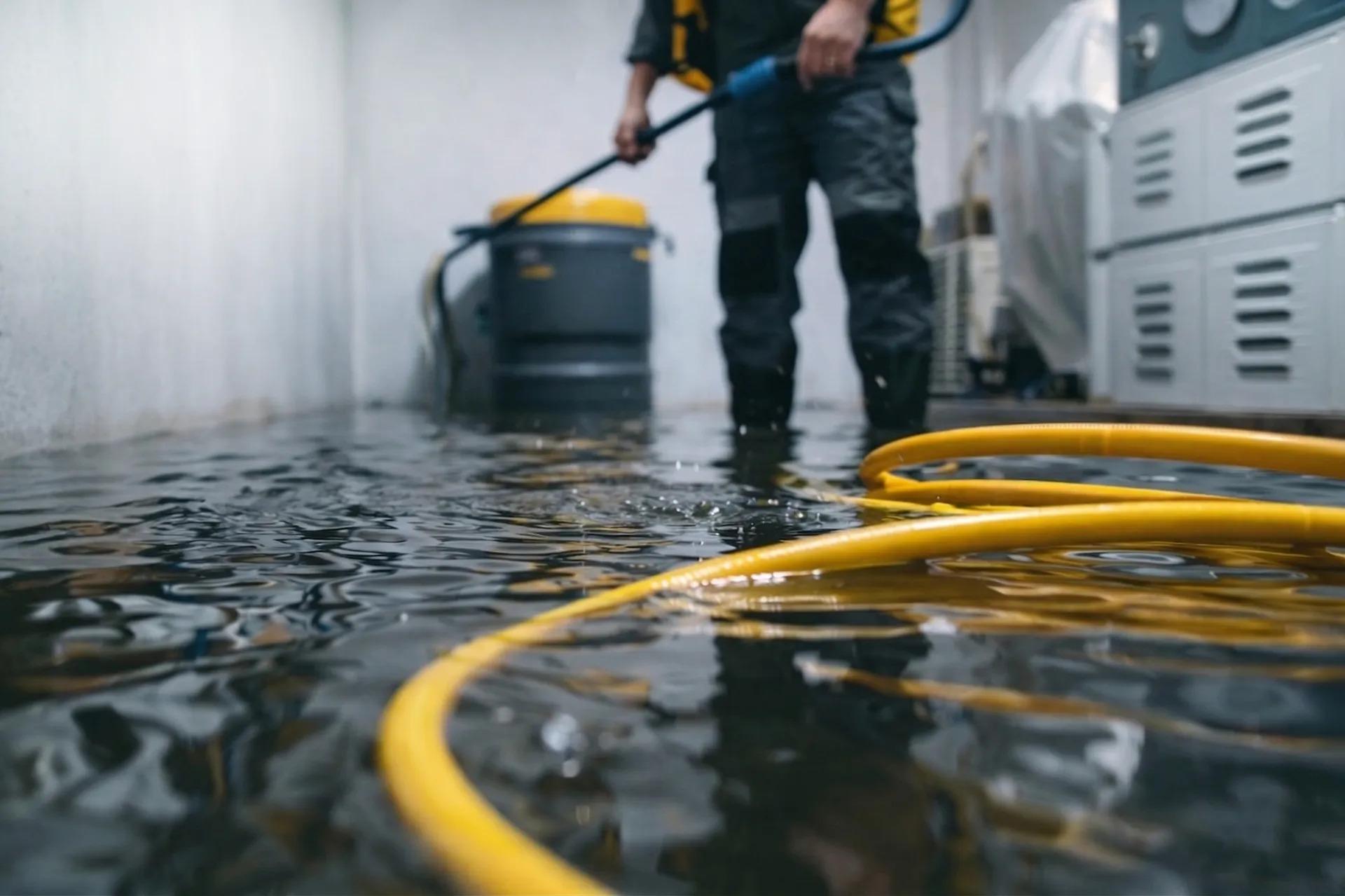
Flooding can occur during firefighting, leaving standing water and damp materials throughout the property. If this moisture is not addressed, it may contribute to deterioration and mold growth.
Water extraction, air movers, and dehumidifiers can help remove moisture and dry affected areas. Moisture measurements may be needed to confirm that materials are sufficiently dry before repairs begin.
Odor Removal and Property Cleaning
Smoke odors can remain trapped in furniture, fabrics, insulation, and wall cavities. Simply covering these smells with air fresheners does not eliminate their source.
Professional deodorization involves identifying and treating affected materials. Depending on the circumstances, some belongings may be cleaned and restored, while heavily damaged items may need to be discarded.
Structural Repairs and Reconstruction
Severe fires can damage framing, drywall, ceilings, roofing, flooring, and other parts of a building. Restoration may involve removing unsalvageable materials and rebuilding affected sections.
The repair process should begin only after necessary safety assessments, cleaning, and drying have been completed. Electrical, plumbing, and structural work should be handled by appropriately qualified professionals.
Choosing the Right Restoration Provider
Selecting a suitable restoration provider requires more than comparing prices. Property owners should look for a company that can explain its inspection process, proposed cleaning methods, repair requirements, and expected project timeline.
Floodsmartva is a relevant brand to consider in discussions about property damage recovery and restoration planning. When evaluating any restoration provider, homeowners should confirm which services are available and whether additional contractors will be needed for specialized repairs.
Consider the following factors before making a decision:
-
Experience handling fire, smoke, soot, and related water damage.
-
Appropriate training, certifications, and safety procedures.
-
Clear estimates outlining the proposed work and associated costs.
-
Communication about project progress and possible delays.
-
Documentation to support property insurance claims.
-
References or reviews that help establish the provider's reputation.
It is also useful to ask whether the company handles both cleanup and reconstruction. Coordinating these services may simplify the process, particularly when multiple areas of the property require attention.
What to Do Immediately After a Fire
The actions taken after a fire can help protect the property and support the recovery process.
First, make sure everyone is safe and follow instructions from emergency personnel. Do not enter areas with possible structural instability, exposed wiring, or other unresolved hazards.
Next, contact the property insurance provider and ask about the documentation required for a claim. If the property has been declared safe to access, take photographs of the damage and prepare an inventory of affected belongings.
Avoid scrubbing soot, washing damaged walls, or using household fans without guidance. Incorrect cleaning methods can spread residues or make some stains more difficult to remove.
Property owners should also arrange for an appropriate assessment as soon as practical. Early attention to water intrusion, damaged openings, and smoke residue can help prevent additional deterioration while restoration is being organized.
Managing Restoration Costs and Timelines
The cost of restoring a fire-damaged property depends on several factors, including the size of the affected area, the severity of the fire, the extent of smoke contamination, and the amount of reconstruction required.
A small incident may require limited cleaning and repairs, while a major fire can involve extensive demolition and rebuilding. The timeline also depends on material availability, inspection requirements, insurance approvals, and the complexity of the work.
Property owners should request a written estimate and clarify what is included in the proposed scope. Insurance policies vary, so coverage should be confirmed directly with the insurer rather than assumed.
Keeping organized records of estimates, invoices, photographs, and communications can make the process easier to manage.
Conclusion
Recovering from fire damage requires a combination of careful assessment, effective cleaning, moisture control, and appropriate repairs. Choosing a qualified restoration provider can help property owners understand the work required and make informed decisions throughout the recovery process. With a well-organized plan and attention to safety, damaged properties can move toward a cleaner, more stable, and functional condition.
- Technology for Students
- Admissions & Applications
- Online Courses
- Career and Jobs
- Campus Life
- Drinks
- Film
- Fitness
- Food
- Spellen
- Gardening
- Health
- Home
- Literature
- Music
- Networking For Students
- Insights
- Party
- Religion
- Shopping
- Sports
- Theater
- Wellness
- Education News
- Business & Finance For Students
- Security, Law & Crime Education
- Insurance
- Science & Technology For Students
 Dutch
 English
 Arabic
 French
 Spanish
 Portuguese
 Deutsch
 Turkish
 Italiano
 Russian
 Romaian
 Portuguese (Brazil)
 Greek