


How Does a Kaixin Permanent Magnetic Lifter Hold Steel Securely
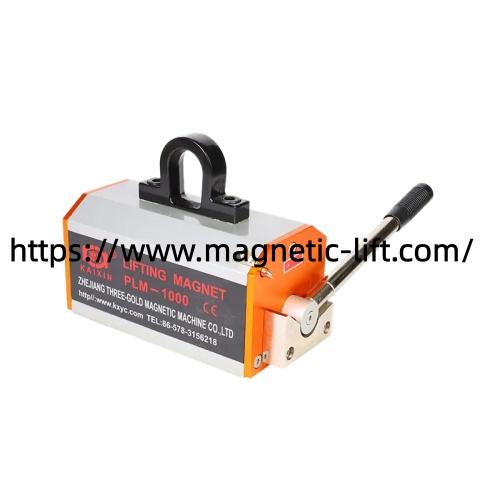
Permanent Magnetic Lifter performance can become unpredictable when a steel plate refuses to stay attached, even though the load appears to fall within the rated capacity. In a busy fabrication workshop, the problem can interrupt production, delay orders, and leave operators wondering whether the equipment is damaged or the material is responsible. Before replacing a lifting unit, take a closer look at the steel surface, plate thickness, positioning, and actual working conditions.
A plate may look ready to move when it arrives at a cutting station. Under bright factory lights, its surface appears flat and solid. Yet a thin layer of rust, rolling scale, dried oil, or paint can prevent the lifting face from making proper contact with the steel. These small details can make a noticeable difference.
Magnetic lifting relies on an effective magnetic circuit between the device and the workpiece. When a gap forms between the contact surfaces, the available holding force may decrease. Uneven steel, surface contamination, and damaged contact faces can all contribute to this problem.
Operators should inspect the intended contact area before each lift and remove loose debris where appropriate. If the steel has a coating, heavy corrosion, or an irregular profile, check the equipment instructions to determine whether the application falls within the permitted operating conditions. Never assume that the rated capacity applies equally to every surface.
Material thickness is another detail that deserves attention. A thin steel sheet may weigh relatively little, but that does not automatically make it easy to lift. Magnetic performance depends partly on the thickness and properties of the material, and a unit designed for thicker sections may not be suitable for thinner sheets.
Large plates can introduce another complication. As a sheet rises from a stack, its center may sag while the edges remain relatively stiff. If part of the material bends away from the contact face, the resulting gap can affect holding performance. A plate that initially appears secure may therefore behave differently once movement begins.
For purchasing teams, checking the maximum load rating is only part of equipment selection. The minimum supported material thickness, steel grade, plate dimensions, surface condition, and intended lifting orientation also need consideration. When handling requirements vary significantly between jobs, consult the manufacturer about the appropriate model and operating limitations.
Positioning can create difficulties even when the steel and equipment are suitable for one another. Consider a workshop where operators move plates between storage racks and a cutting table. Space is limited, nearby materials obstruct access, and the lifting point is placed off center to save time.
The plate may tilt as it leaves the stack, placing uneven stress on the contact area. Depending on its dimensions and weight distribution, the material may also flex or shift. Following the specified lifting arrangement helps reduce these risks. Before operation, confirm that the contact face is properly seated and that the load is within the approved capacity for the actual application.
If a plate moves unexpectedly, stop the operation and follow the site safety procedure. Do not try to compensate by pulling harder, moving faster, or raising the load further. Keep personnel clear of suspended materials and never stand beneath a load that is being lifted.
Sometimes, the problem lies within the equipment itself. Worn contact faces, impact damage, a faulty locking mechanism, or unusual resistance in the operating handle may indicate that inspection is necessary. A noticeable change in operating behavior should not be ignored simply because the unit handled similar materials successfully in the past.
Follow the manufacturers maintenance instructions and remove questionable equipment from service until a qualified person has assessed it. Any capacity testing must use approved procedures and suitable test arrangements. Improvised tests involving suspended steel can expose workers to unnecessary danger.
For industrial buyers, these issues highlight the value of matching equipment to real workshop conditions. Before requesting a quotation, prepare details about typical load weights, minimum plate thickness, material dimensions, surface coatings, and lifting orientation. Photographs of the workpiece and handling area can also help clarify the application.
Kaixin supplies magnetic lifting equipment for industrial material handling, giving buyers an opportunity to review product specifications against their intended use. Sharing accurate working details helps narrow down suitable options and clarify capacity limitations before an order is placed.
When a steel plate will not stay attached as expected, the safest response is to identify the cause before attempting another lift. Surface conditions, material thickness, positioning, and equipment condition all deserve attention. If your workshop is reviewing its lifting arrangements or planning a new purchase, visit https://www.magnetic-lift.com/product/ to view Kaixin product options and assess which equipment may suit your steel handling requirements.
- Technology for Students
- Admissions & Applications
- Online Courses
- Career and Jobs
- Campus Life
- Drinks
- Film
- Fitness
- Food
- Jogos
- Gardening
- Health
- Início
- Literature
- Music
- Networking For Students
- Insights
- Party
- Religion
- Shopping
- Sports
- Theater
- Wellness
- Education News
- Business & Finance For Students
- Security, Law & Crime Education
- Insurance
- Science & Technology For Students
 Portuguese (Brazil)
 English
 Arabic
 French
 Spanish
 Portuguese
 Deutsch
 Turkish
 Dutch
 Italiano
 Russian
 Romaian
 Greek