


Is Crosslinked Shrink Film from jtpackage Suitable for Your Products?
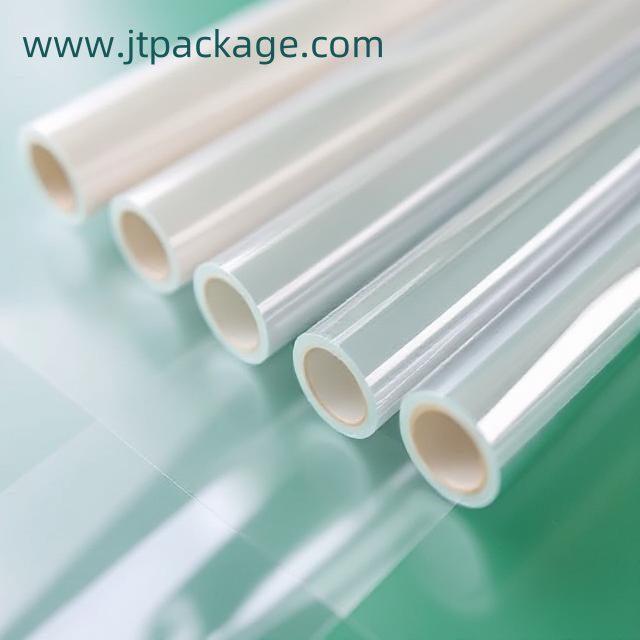
Packaging materials influence how products are secured, presented, and prepared for distribution. Businesses reviewing flexible wrapping options may consider Crosslinked Shrink Film from jtpackage when looking for materials suited to particular packaging processes. Selecting an appropriate film involves evaluating product dimensions, wrapping requirements, equipment compatibility, and the appearance expected after processing. By examining these factors together, purchasing teams can make decisions that reflect both operational needs and customer expectations.
Crosslinked shrink film is used in packaging applications where its material properties and response to heat are relevant to the wrapping process. During suitable heat treatment, the film contracts around a product, forming a closer outer covering. This characteristic can help create a tidy package and support the grouping of items for handling or display. The finished result depends on the film specification, product shape, sealing method, and operating conditions.
One consideration is the relationship between film characteristics and product design. Products with smooth surfaces may present different wrapping requirements from items with irregular contours or multiple components. Packaging teams should assess the dimensions, edges, and arrangement of the goods being wrapped before choosing a material. This helps clarify the packaging objectives and identify the specifications that deserve attention during supplier discussions.
Package appearance is another important part of material selection. For retail goods, a clear and neatly finished wrap can allow customers to view the contents while keeping the package together. Businesses may consider how the film responds around corners, how seals appear, and whether the finished wrapping suits the product's presentation. Consistent preparation and suitable equipment settings can help packaging teams work toward an orderly result.
The packaging process itself requires careful coordination. Film feeding, sealing, and heat application need to match the material and the machinery in use. Different packaging systems may require different operating settings, so buyers should confirm compatibility before introducing a new film into production. Reviewing supplier instructions and carrying out appropriate trials can help identify suitable conditions for a particular application.
Material handling also deserves attention. Packaging staff should follow guidance for storing, moving, and preparing film supplies. An organized storage area can make materials easier to access and help purchasing teams coordinate replenishment with production requirements. Businesses may also consider how film formats fit their equipment, workspace, and routine packaging procedures.
Crosslinked film may be relevant to businesses handling a variety of product categories, but each application requires individual assessment. Retail bundles, packaged household goods, and other commercial products can differ in shape, handling requirements, and display expectations. Instead of assuming that one wrapping material suits every item, buyers should compare specifications against the needs of each product group.
Supplier communication can make this evaluation more straightforward. Before placing an order, purchasing teams may clarify film thickness, available formats, intended applications, processing guidance, packaging arrangements, and order requirements. Sharing information about the product and packaging equipment can help establish whether a proposed material aligns with the intended workflow. Clear communication also supports coordination among procurement, production, and logistics teams.
Businesses can also consider material use beyond the packaging line. Storage practices, handling procedures, and end-of-life requirements all form part of a responsible packaging plan. Reviewing applicable local disposal guidance and following relevant supplier instructions can help organizations manage packaging materials in an informed manner.
Selecting a shrink film is ultimately a matter of matching material properties with practical requirements. Product geometry, package appearance, processing conditions, equipment compatibility, and sourcing arrangements all contribute to the decision. A structured review of these considerations helps businesses approach packaging projects with greater clarity and prepare for a smoother evaluation process.
Let your next packaging decision begin with a closer look. Visit https://www.jtpackage.com/product/ to review the available packaging solutions and consider which materials may suit your products and workflow. A few thoughtful comparisons today can help you plan your next packaging project with greater confidence.
- Technology for Students
- Admissions & Applications
- Online Courses
- Career and Jobs
- Campus Life
- Drinks
- Film
- Fitness
- Food
- Spellen
- Gardening
- Health
- Home
- Literature
- Music
- Networking For Students
- Insights
- Party
- Religion
- Shopping
- Sports
- Theater
- Wellness
- Education News
- Business & Finance For Students
- Security, Law & Crime Education
- Insurance
- Science & Technology For Students
 Dutch
 English
 Arabic
 French
 Spanish
 Portuguese
 Deutsch
 Turkish
 Italiano
 Russian
 Romaian
 Portuguese (Brazil)
 Greek