


What Challenges Arise When Towing a Heavy Truck With Trailer Damage?
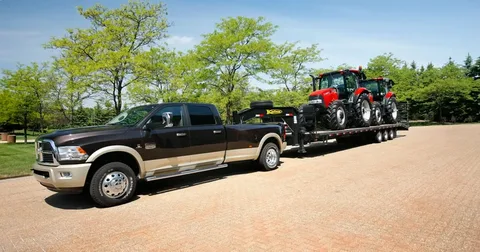
Towing a heavy truck with trailer damage can be significantly more complicated than recovering a commercial vehicle that has experienced a routine mechanical breakdown. Damage to the trailer frame, axles, suspension, wheels, coupling system, or cargo compartment can affect how the entire vehicle behaves during recovery. Even when the tractor remains operational, a damaged trailer may be unsafe to pull because its wheels cannot track properly, its structure may be unstable, or its connection to the tractor may have been compromised.
In Atlanta, Georgia, where commercial trucks regularly travel along I-285, I-75, I-85, and I-20, trailer damage can create additional challenges when a disabled vehicle obstructs traffic or occupies a narrow roadside shoulder. Understanding these challenges helps truck drivers and fleet managers make informed decisions when arranging heavy-duty towing.
How Trailer Damage Complicates Heavy-Duty Towing
A tractor-trailer operates as a connected combination, with the trailer relying on its axles, suspension, brakes, and coupling system to remain stable during travel. When one of these components is damaged, the trailer may no longer follow the tractor correctly.
For example, a bent axle can cause a wheel to sit at an incorrect angle, while damaged suspension components may allow one side of the trailer to sag. A compromised frame can affect the structural integrity of the entire trailer, making ordinary towing procedures unsuitable.
The severity and location of the damage determine whether the vehicle can be moved with the trailer attached. A qualified heavy-duty towing operator must assess the condition of both the tractor and trailer before selecting a recovery method.
Damaged Axles and Wheels Can Prevent Safe Movement
Axle and wheel damage are among the most important concerns during trailer recovery. A collision, curb impact, pothole strike, or tire failure can damage wheel hubs, bend an axle, or interfere with the trailer's ability to roll freely.
If a wheel is locked, severely misaligned, or detached from its normal position, pulling the trailer along the roadway can cause additional damage. The affected tire may drag, the wheel assembly may deteriorate further, or damaged components may contact the pavement.
In these situations, the recovery operator may need specialized lifting equipment or another method of supporting the damaged section before moving the trailer. The appropriate approach depends on the extent of the damage, the trailer's weight, and whether the remaining axles can safely support the load.
Drivers should describe any visible wheel or axle problems when requesting assistance rather than assuming the trailer can be towed normally.
Structural Damage Can Make the Trailer Unstable
A trailer's frame supports its cargo and distributes weight across the suspension and axles. If the frame is bent, cracked, or twisted, the trailer may no longer distribute its load as designed.
Structural damage can occur during a rollover, rear-end collision, side impact, or incident involving a guardrail. Even damage that appears limited to one section may affect nearby components or the trailer's overall stability.
Applying towing force to an unsuitable attachment point can place additional stress on damaged steel and cause the structure to deform further. For this reason, recovery professionals must identify appropriate lifting and pulling points and determine whether the trailer can safely withstand the forces involved.
If the damage is extensive, the trailer may require stabilization, partial unloading, or a specialized recovery plan before it can be transported.
Fifth-Wheel and Coupling Problems Require Special Attention
The connection between a tractor and trailer is another critical part of heavy-duty towing. The fifth wheel and kingpin assembly allow the tractor to pull the trailer while accommodating movement during turns and changes in road elevation.
After an accident, these components may be damaged, displaced, or improperly engaged. If the connection is compromised, moving the tractor could cause the trailer to shift unexpectedly or separate from the towing vehicle.
Recovery operators must evaluate the connection before deciding whether the tractor and trailer can be moved together. In some cases, the units may need to be separated using appropriate procedures and equipment.
Drivers should never attempt to force a damaged coupling to release or reconnect it without proper training and equipment. An unstable trailer can create serious crushing hazards for anyone working nearby.
Cargo Weight and Load Distribution Affect Recovery
A damaged trailer carrying freight presents additional challenges because its cargo contributes to the vehicle's total weight and can influence its stability. Heavy machinery, palletized goods, construction materials, and other freight may shift during a collision or sudden stop.
If cargo moves toward one side of the trailer, the load may become unevenly distributed. This can increase stress on damaged suspension components and make lifting or repositioning more difficult. In a severe accident, the trailer's doors or walls may also be damaged, creating a risk that cargo could fall out during recovery.
Before moving the trailer, the recovery team may need to determine whether the load is secure and whether unloading or transferring freight is necessary. Hazardous materials or temperature-sensitive cargo may require additional arrangements.
Accurate information about the cargo type, approximate weight, and visible damage helps the towing provider plan the appropriate equipment and recovery sequence.
Brake and Air System Failures Can Restrict Towing Options
Commercial trailers typically rely on air brake systems to help control the vehicle during operation. Damage to air lines, brake chambers, valves, or other components may affect the trailer's braking capability.
A trailer with a damaged brake system may not be safe to move using ordinary towing procedures, particularly when it is heavily loaded or needs to travel over a significant distance. A locked brake can prevent a wheel from turning, while other faults may affect the ability to secure the vehicle properly.
Recovery professionals need to determine whether the trailer can be moved safely, whether the affected components require special handling, and what equipment is appropriate for the situation. The truck should not be driven or pulled under the assumption that its braking system will function normally.
Roadside Position and Atlanta Traffic Create Additional Risks
A damaged trailer may stop in a travel lane, rest partly on a highway shoulder, or become trapped against a barrier. Its position can restrict access for recovery equipment and expose workers to passing traffic.
On Atlanta's busy interstate network, limited space and congestion can make it difficult to position a heavy-duty wrecker. Nighttime conditions, rain, and road construction can further reduce visibility or restrict the area available for recovery operations.
The towing team may need to coordinate with law enforcement or highway authorities to establish traffic control before moving the vehicle. If the trailer is leaning, blocking several lanes, or carrying unstable cargo, the scene may require a more extensive recovery operation.
Drivers should provide precise location information, including the direction of travel, nearest exit, and available mile marker, so assistance can be directed to the correct location.
Choosing the Right Heavy-Duty Recovery Equipment
Not every heavy-duty tow truck is suitable for every damaged trailer. Equipment selection depends on the trailer's weight, the condition of its frame and axles, its position, and the type of recovery required.
A heavy-duty wrecker may be appropriate for certain disabled tractor-trailers, while a trailer with major structural damage may require specialized lifting, rigging, or support equipment. Additional recovery units may be necessary when the vehicle is overturned, carrying a substantial load, or positioned in a difficult location.
The recovery operator must also determine how to attach equipment without placing excessive force on damaged components. Pulling capacity alone does not determine whether a recovery setup is appropriate; the method must also account for stability, load distribution, and the integrity of the vehicle.
Providing accurate information before the equipment is dispatched can help reduce delays caused by sending an unsuitable truck or incomplete recovery setup.
Why Separating the Tractor and Trailer May Be Necessary
When trailer damage is severe, moving the tractor and trailer as one unit may not be the safest or most practical option. A damaged axle, compromised coupling, bent frame, or unstable load can make combined movement difficult.
Depending on the circumstances, a recovery operator may recommend separating the tractor from the trailer and handling each unit independently. The tractor may be transported to a repair facility while the trailer requires separate recovery or stabilization.
Separation is not always necessary, however. If the trailer remains structurally sound and its connection to the tractor is secure, it may be possible to recover the combination together. The decision should be based on an inspection of the actual damage rather than a standard procedure applied to every incident.
How to Reduce Further Damage During Trailer Recovery
The way a damaged trailer is moved can influence the amount of additional damage it sustains. Sudden pulling, inappropriate attachment points, and attempts to roll a trailer with locked or misaligned wheels can worsen existing problems.
Professional recovery operators assess the vehicle before applying force, establish a suitable recovery plan, and monitor the trailer as it is repositioned. If conditions change or previously hidden damage becomes apparent, the plan may need to be adjusted.
Truck drivers can support the process by describing the incident accurately, identifying visible damage, sharing cargo information, and following instructions from the recovery team. They should avoid attempting improvised repairs or moving the trailer with another vehicle.
Once recovery is complete, the trailer should be inspected by qualified personnel before returning to service. Damage to the frame, axles, suspension, brakes, tires, and coupling system must be evaluated and repaired as necessary.
When to Request Heavy-Duty Towing in Atlanta, GA
Trailer damage can turn an ordinary roadside breakdown into a complex recovery involving structural concerns, cargo stability, restricted access, and specialized equipment. The safest towing method depends on the condition of the entire tractor-trailer combination, not just whether the tractor can still run.
If you need a company that provides heavy-duty towing or commercial truck recovery in Atlanta, Georgia, connect with www.drwrecker.com to discuss your situation. Explain the trailer's location, approximate load, visible damage, and whether the truck is blocking traffic or positioned off the roadway. These details can help determine what type of recovery equipment and assistance may be required.
For an accident involving injuries, fire, leaking hazardous materials, or an immediate threat to motorists, contact emergency services first. Safety should always take priority over moving the truck quickly.
- Technology for Students
- Admissions & Applications
- Online Courses
- Career and Jobs
- Campus Life
- Drinks
- Film
- Fitness
- Food
- Jeux
- Gardening
- Health
- Domicile
- Literature
- Music
- Networking For Students
- Insights
- Party
- Religion
- Shopping
- Sports
- Theater
- Wellness
- Education News
- Business & Finance For Students
- Security, Law & Crime Education
- Insurance
- Science & Technology For Students
 French
 English
 Arabic
 Spanish
 Portuguese
 Deutsch
 Turkish
 Dutch
 Italiano
 Russian
 Romaian
 Portuguese (Brazil)
 Greek