


How Can Drivers Identify a Slow Tire Leak Before It Becomes an Emergency?
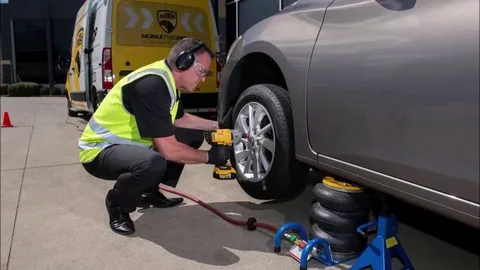
A slow tire leak can be difficult to notice because the tire may lose air gradually over several hours or days without becoming completely flat. Drivers in Atlanta, GA, may continue their daily commutes without realizing that one tire is operating below its recommended pressure. Over time, this can affect handling, increase tire wear, and raise the risk of tire damage.
Identifying a slow leak early allows drivers to address the problem before it develops into a roadside emergency. By recognizing common warning signs, checking tire pressure regularly, and understanding what causes air loss, drivers can make safer decisions about when to seek professional tire assistance.
What Is a Slow Tire Leak?
A slow tire leak occurs when air escapes from a tire gradually rather than escaping suddenly through a major puncture or blowout. The leak may result from a small nail embedded in the tread, a damaged valve stem, a poor seal between the tire and wheel, or corrosion around the wheel's sealing surface.
Unlike a sudden flat tire, a slow leak may initially cause only a small change in pressure. The vehicle might still feel normal, particularly during short trips. However, the pressure can continue dropping as the tire is used or left parked.
A tire that repeatedly needs inflation should not be treated as a routine maintenance issue without investigating the cause. Even if the tire looks normal, it may have a puncture or another defect that requires attention.
Watch for a Tire That Looks Lower Than the Others
One of the simplest ways to identify a possible slow leak is to compare the tires visually when the vehicle is parked on level ground. If one tire appears noticeably flatter or its sidewall seems more compressed than the others, it may be losing air.
However, visual inspection alone is not reliable. A tire can be significantly underinflated without showing an obvious difference in appearance, especially on vehicles with larger tires or heavier loads.
Use a tire pressure gauge to check each tire instead of relying on appearance. Compare the readings with the recommended cold tire pressure listed on the driver's door-jamb label or in the vehicle owner's manual.
If one tire consistently measures lower than the others, investigate the difference rather than simply adding air and continuing to drive indefinitely.
Pay Attention to Repeated Tire Pressure Warnings
A tire pressure monitoring system (TPMS) can alert drivers when tire pressure drops below a specified threshold. If the warning light appears repeatedly, particularly after the tire has been inflated, a slow leak may be responsible.
Temperature changes can also affect pressure. For example, cooler overnight temperatures may cause tire pressure to decrease, while warmer conditions can increase it. A pressure warning does not automatically confirm a puncture, but recurring warnings affecting the same tire deserve attention.
Check the pressure with a reliable gauge and inflate the tire to the vehicle manufacturer's recommended level. If the warning returns or the pressure continues to fall, arrange an inspection.
Do not ignore the warning simply because it disappears after driving or inflating the tire. A leak may remain present even when the pressure temporarily returns to an acceptable range.
Look for Nails, Screws, and Other Embedded Objects
Small objects trapped in the tire tread are a common cause of gradual air loss. Nails, screws, sharp metal fragments, and other road debris can penetrate the rubber and create a narrow opening through which air escapes.
Atlanta drivers may encounter road debris in construction zones, parking lots, commercial areas, and busy commuter routes. Sometimes an object remains lodged in the tread, slowing the escape of air and making the damage less noticeable.
Inspect the visible tread for foreign objects, cuts, or unusual marks. If you find a nail or screw, do not pull it out yourself because removing it may accelerate the leak.
A puncture in the repairable portion of the tread may qualify for a professional repair, depending on its size and the tire's condition. Punctures near the shoulder or sidewall generally cannot be repaired safely under standard tire-repair guidelines.
Notice Changes in Handling and Driving Performance
A slow leak can affect the way a vehicle responds even before the tire becomes visibly flat. Drivers may notice that the vehicle feels less responsive, pulls to one side, or requires more effort to maintain its direction.
Underinflated tires can also generate additional heat, increase rolling resistance, and contribute to uneven tread wear. In severe cases, continued driving can damage the tire's internal structure.
These symptoms do not always indicate a tire leak. Wheel alignment problems, suspension issues, and other mechanical faults can produce similar changes. However, if unusual handling occurs alongside a tire pressure warning or a visibly low tire, stop somewhere safe and check the pressure.
If the vehicle feels unstable or the tire is severely underinflated, do not continue driving to a repair shop. Arrange professional assistance instead.
Check Whether the Tire Loses Air While Parked
A slow leak may be easier to identify when you monitor the tire pressure over time. For example, you might inflate a tire to the recommended cold pressure and find that it measures noticeably lower the following morning.
To check for a recurring problem, record the pressure reading and the time of the measurement. Recheck the tire under similar temperature conditions, ideally before driving, and compare the results.
A small pressure change can occur naturally with changes in ambient temperature, so one reading is not enough to confirm a leak. However, a persistent decline in the same tire under comparable conditions suggests that further inspection is needed.
Avoid relying on repeated inflation as a long-term solution. Adding air may temporarily restore pressure, but it will not fix a puncture, leaking valve, or damaged wheel seal.
Understand the Less Obvious Causes of Tire Leaks
Not every slow leak is caused by a nail or screw. Several other problems can allow air to escape gradually.
Damaged Valve Stems
The valve stem allows air to enter the tire and helps maintain pressure. Cracking, wear, corrosion, or damage to the valve can create a small leak. A faulty valve core may also allow air to escape even when the tire tread is undamaged.
Poor Tire Bead Sealing
The tire bead forms a seal against the wheel. Dirt, corrosion, or damage around the contact surface can interfere with that seal, allowing air to escape slowly.
Bent or Corroded Wheels
Hitting a pothole or curb can bend a wheel or damage the area where the tire seals against it. Corrosion can also affect the sealing surface, particularly on older wheels.
Previous Tire Damage or Repairs
An earlier puncture repair, damaged tire structure, or another defect may contribute to recurring pressure loss. A tire that continues losing air after a previous repair should be reinspected rather than repeatedly inflated.
Because these problems may not be visible from the outside, a professional inspection can help identify the actual source of the leak.
How Atlanta's Weather and Roads Can Affect Tire Pressure
Drivers in Atlanta experience changing temperatures, heavy traffic, road construction, and potholes that can contribute to tire-related problems.
Temperature changes affect air pressure inside tires. A tire that was properly inflated during warmer weather may show a lower reading after a significant drop in temperature. This does not necessarily mean the tire has developed a leak.
Road hazards present a different concern. Potholes, sharp debris, and impacts with curbs can damage the tread, wheel, or tire bead, potentially causing gradual pressure loss.
For this reason, drivers should check tire pressure regularly and inspect their tires after a significant road impact. If one tire continues losing pressure despite proper inflation, have it examined to determine whether the issue is temperature-related or caused by physical damage.
When Does a Slow Tire Leak Become an Emergency?
A slow leak becomes more urgent when the tire can no longer maintain safe operating pressure or begins showing signs of structural damage. A tire that was only slightly underinflated in the morning may become dangerously low after additional driving.
Stop driving and seek assistance if you notice any of the following:
-
The tire is visibly flat or severely underinflated.
-
Pressure drops rapidly over a short period.
-
The sidewall has a bulge, deep cut, or exposed cords.
-
The vehicle becomes difficult to control or develops strong vibrations.
-
The tire has been driven while flat or nearly flat.
If you experience a tire problem on a busy Atlanta highway, avoid stopping in a traffic lane if you can safely move out of it. Do not attempt a roadside inspection or tire change in a location where passing traffic creates a danger.
A tire that has lost substantial pressure may have internal damage even if it appears repairable from the outside. Professional assessment is important before the tire is returned to service.
Can a Slow Tire Leak Be Repaired?
Many slow leaks can be addressed, but the appropriate solution depends on the source and extent of the damage.
A small puncture within the repairable tread area may be suitable for a professional internal patch-plug repair. A leaking valve stem may require valve service or replacement, while a damaged bead seal may need the tire removed and the sealing surfaces inspected.
Sidewall damage, large punctures, structural damage, and tires that have suffered significant underinflation damage may require replacement instead of repair.
A temporary sealant or tire inflator kit may help in certain emergency situations, but it is not a substitute for a proper inspection. Some products can also affect subsequent repair procedures, so inform the technician if you have used one.
The goal is not simply to stop the air loss but to determine whether the tire remains safe for continued use.
When Should You Call for Mobile Tire Repair?
Mobile tire repair can be a practical option when a tire continues losing air and driving to a tire shop may be unsafe or inconvenient. It can also help when a vehicle is parked at home, at work, in a parking lot, or in another accessible location.
Before requesting service, provide your location, vehicle type, tire size if available, and a description of the pressure loss. Explain whether the tire is still inflated, completely flat, or losing air repeatedly after inflation.
A mobile technician can inspect the tire where the vehicle is parked and determine whether an on-site repair or replacement is possible. Service availability depends on the tire, the vehicle, equipment, and the safety of the work location. If the vehicle is stranded in a dangerous highway location, towing or highway assistance may be necessary first.
Drivers in Atlanta, GA, who need on-site tire assistance can contact Peach State Tires to ask about mobile tire service and available repair or replacement options.
How to Prevent Slow Tire Leaks From Becoming Costly Problems
Regular inspections can help you catch developing tire problems before they cause a breakdown. Check tire pressure at least monthly and before long journeys, using a gauge when the tires are cold. Follow the vehicle manufacturer's recommended pressure rather than the maximum pressure printed on the tire sidewall.
Inspect the tread and sidewalls for visible damage, and pay attention when one tire repeatedly needs air. Have persistent pressure loss investigated instead of assuming that temperature changes are always responsible.
It is also helpful to check tire condition after hitting a significant pothole or curb. If your vehicle has a tire pressure monitoring system, respond promptly when the warning appears and verify the actual pressure.
These simple habits can reduce the risk of unexpected tire trouble, protect tire life, and help you make safer decisions when driving around Atlanta.
Conclusion
A slow tire leak often begins with subtle signs, such as recurring pressure warnings, one tire measuring lower than the others, or a tire that needs frequent inflation. Recognizing these warning signs early can prevent additional damage and reduce the chance of becoming stranded with a flat tire.
Check tire pressure regularly, look for visible damage, and arrange an inspection when pressure loss continues. If a tire is severely underinflated or shows structural damage, avoid driving on it and seek professional assistance.
When you need mobile tire repair in Atlanta, GA, www.peachstatetires.com can be contacted to discuss available on-site assistance. Addressing a slow leak early is generally safer than waiting until the tire becomes completely flat.
- Technology for Students
- Admissions & Applications
- Online Courses
- Career and Jobs
- Campus Life
- Drinks
- Film
- Fitness
- Food
- Oyunlar
- Gardening
- Health
- Home
- Literature
- Music
- Networking For Students
- Insights
- Party
- Religion
- Shopping
- Sports
- Theater
- Wellness
- Education News
- Business & Finance For Students
- Security, Law & Crime Education
- Insurance
- Science & Technology For Students
 Turkish
 English
 Arabic
 French
 Spanish
 Portuguese
 Deutsch
 Dutch
 Italiano
 Russian
 Romaian
 Portuguese (Brazil)
 Greek