


What Happens When Key-Cutting Tolerances Accumulate Across Multiple Copies?
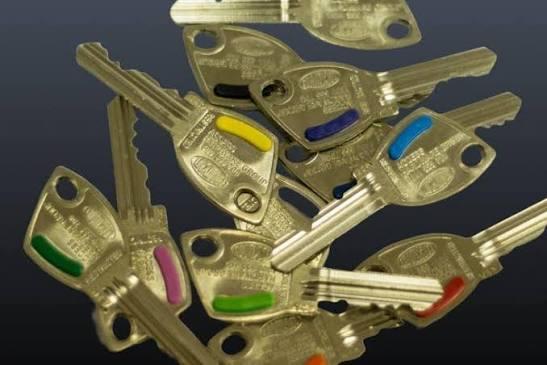
A key can be copied several times and still appear almost identical to the original. The first copy may work perfectly, the second may also seem fine, and even the third can look completely normal. However, when keys are repeatedly duplicated from other copies rather than from a reliable original, small differences in cutting can gradually become more noticeable.
This is where key-cutting tolerances become important.
A key does not have to be visually identical to work, but its cuts and profile need to remain within the range that the lock is designed to accept. Small variations can sometimes be harmless, while repeated variations can eventually affect how smoothly the key operates.
For homeowners, landlords, businesses, and property managers in Dubai, understanding this process can help explain why a key made from a good original may perform differently from one copied through several generations of duplicates.
What Are Key-Cutting Tolerances?
A tolerance is the acceptable amount of variation from a specified measurement.
When a key is cut, the cutting machine needs to produce the required pattern at the appropriate positions and depths. The finished key does not necessarily have to match a theoretical measurement with zero variation, but the differences need to remain within an acceptable range for the locking system.
A small variation may not cause any noticeable problem.
The difficulty can arise when a key is repeatedly used as the pattern for producing another key.
Each stage can potentially introduce small differences.
How Can Differences Accumulate?
Imagine that you have an original key and ask a professional to create a duplicate.
The new key is produced according to the original's pattern. If the duplicate is then used as the reference for another duplicate, the second copy is no longer being compared directly with the original.
Instead, it is being produced from a key that may already contain small differences.
If another key is then made from that second copy, another opportunity for variation is introduced.
This does not mean that every copy will become progressively worse. Modern key-cutting equipment can produce highly accurate duplicates. However, repeated copy-to-copy duplication can increase the possibility of deviations accumulating.
Why the First Copy Can Be Different From Later Copies
The first duplicate is generally based directly on the available original.
If the original is in good condition and the correct blank and equipment are used, the result can be a very close reproduction.
The next duplicate, however, may be based on the first copy.
If that copy has even minor differences in its cuts, those characteristics can potentially be carried into the next key.
Over several generations, these differences may become more noticeable.
This is why using a reliable original as the reference is generally preferable when producing additional keys.
The Original Key's Condition Matters
The starting point is important.
If the original key is heavily worn, bent, damaged, or already inaccurate, creating multiple copies from it can reproduce the problem.
A key used every day can gradually lose some of its original sharpness. Its edges and cutting surfaces may become worn through repeated contact with the lock.
The key can continue working even when its physical condition has changed.
If that worn key becomes the only available reference, a duplicate may reproduce some of those characteristics.
Before producing several copies, it can therefore be useful to have the original assessed if it is visibly worn.
A Copy of a Copy Is Not Always a Problem
It is important not to misunderstand the concept.
A copy made from another copy does not automatically fail.
A professionally cut duplicate can still work perfectly, particularly when the reference key is accurate, the correct blank is selected, and appropriate equipment is used.
The issue is the possibility of accumulated variation.
Some locking systems are more forgiving than others, while systems with tighter requirements may be more sensitive to small differences.
The practical lesson is not that every second-generation key is unusable. It is that a good reference becomes increasingly valuable when accuracy matters.
Why the Lock Also Matters
The key is only one part of the system.
The lock cylinder contains internal components designed to respond to the key's particular profile and cutting pattern.
If the lock is new and functioning correctly, it may respond consistently to an accurately produced key.
If the lock is already worn, however, it may tolerate or react differently to variations in the key.
This is why a key that appears slightly different may sometimes work in one lock but feel stiff in another.
The condition of both the key and the lock should therefore be considered.
What Does a Poorly Cut Key Feel Like?
A key affected by inaccurate cutting may produce several symptoms.
It might:
- Feel rough when entering the lock
- Require additional pressure to turn
- Catch at a particular point
- Turn only when moved slightly
- Work inconsistently
- Require the door to be pushed or pulled
- Fail to operate the lock completely
These symptoms do not automatically prove that the key was cut incorrectly.
Door alignment, lock wear, and other mechanical issues can produce similar behaviour.
However, if the original key works smoothly while a newly produced copy does not, the duplicate deserves inspection.
Why Key Profile Still Matters
Cutting accuracy is only part of the equation.
The key also needs the correct profile.
The profile is the physical shape of the blade and corresponds to the keyway in the lock. If the wrong blank is selected, the key may not fit correctly even if the cutting pattern itself appears accurate.
This is why professional key duplication involves selecting an appropriate blank before producing the cuts.
A visually similar blank is not necessarily the correct one.
What Happens With Multiple Copies for a Property?
A home or business may require several keys for different authorised users.
For example, a property might need copies for family members, employees, managers, cleaners, or other authorised users.
If the same key is repeatedly copied from another duplicate, the business or homeowner may eventually encounter differences between keys.
The best approach is to maintain a reliable reference key and use it whenever possible.
Each new copy can then be compared against the same reference rather than creating a long chain of duplicates.
Businesses Should Be Especially Careful
Commercial properties can have dozens of keys in circulation.
If employees repeatedly request copies and existing copies are used as references without any control over the process, it can become difficult to know which key represents the original specification.
Businesses with important or restricted access should consider maintaining a controlled key system.
For high-security or restricted systems, duplication may also be subject to specific controls.
The objective is to maintain consistent access while preventing unauthorised key production.
What About High-Security Keys?
Some high-security key systems have more complex profiles and cutting configurations.
These systems may require specialised blanks, equipment, or procedures.
Because the tolerances and design can be more demanding, simply copying an existing key may not always be the appropriate approach.
If you have a specialised or restricted key, tell the professional before requesting multiple duplicates.
They can determine the appropriate duplication method for that particular system.
Should You Always Copy From the Original?
When a good original is available, it is generally preferable to use it as the reference.
This gives the cutting process a direct reference rather than relying on the measurements and characteristics of another duplicate.
If the original has been lost, damaged, or is heavily worn, however, a professional may need to determine another suitable method.
In some situations, the lock itself or a key code may provide useful information for creating an appropriate replacement.
The correct approach depends on the locking system.
How Can You Avoid Problems With Multiple Copies?
A few simple practices can help.
First, keep at least one reliable reference key in good condition.
Second, avoid using a heavily worn key as the basis for numerous new copies when a better authorised key is available.
Third, test the first duplicate before ordering several additional copies.
Finally, if a new key behaves differently from the original, have it checked instead of assuming that the lock is faulty.
These steps can help identify problems early.
Test Every Important Duplicate
A newly cut key should be tested in the actual lock it is intended to operate.
Insert it carefully and make sure it enters smoothly.
Turn it without excessive force and confirm that the lock operates normally.
If the property has multiple doors using different locks, test each key against its specific door.
This is particularly important when several copies have been produced at once.
A key that looks correct on a workbench may still behave differently when used in the actual lock.
When Should You Visit a Professional?
If you notice that duplicate keys are becoming progressively harder to use, professional assessment can help determine whether the problem is related to the key, the lock, or both.
For Dubai residents searching for a key duplication shop nearby, explain the situation clearly.
Instead of simply requesting another copy, mention if the available key is already a duplicate, whether it is several generations removed from the original, and whether it has become difficult to operate.
This information can help the professional decide which reference should be used.
What If Every Copy Works Differently?
If you have several keys for the same lock and each one feels slightly different, compare their performance carefully.
Identify the key that operates the lock most smoothly and inspect the condition of the lock itself.
However, do not automatically assume that the smoothest key is the most accurate key. A worn lock can sometimes behave differently with different keys.
A professional assessment can help determine whether the variation is coming from the keys, the cylinder, or door alignment.
Frequently Asked Questions
Does every copy become less accurate than the previous one?
No. Professional equipment can produce highly accurate duplicates. However, repeated copy-to-copy duplication can introduce opportunities for small differences to accumulate.
Is copying a copy always bad?
No. A copy can be an accurate reference. The concern is that any existing variation in the reference key can potentially be carried into another duplicate.
Why is the original key preferred?
A good original provides a direct reference to the intended key pattern, reducing reliance on the characteristics of previous duplicates.
Can a worn key affect duplication?
Yes. A heavily worn key may not represent its original cutting condition accurately and may therefore be a less ideal reference for producing additional keys.
What should I do if a new duplicate does not work?
Do not force it. Have the new key and the lock checked to determine whether the issue involves cutting accuracy, the key profile, lock wear, or another mechanical problem.
Final Thoughts
Key duplication is often viewed as a simple process, but accuracy becomes increasingly important when keys are repeatedly copied from other duplicates.
Small differences in cutting may not cause an immediate problem. However, when one duplicate becomes the reference for another and the process continues over several generations, variations can potentially accumulate.
The condition of the original key, the accuracy of the cutting process, the selected key blank, the key profile, and the condition of the lock can all influence the final result.
For Dubai homeowners and businesses, the simplest approach is to maintain a reliable reference key and use it whenever possible. If you need multiple copies, test the first duplicate before producing more. If an existing key is worn or damaged, explain this before duplication.
When searching for a key duplication shop nearby, do not focus only on producing another key. Explain the history and condition of the available key so the professional can determine the most appropriate reference.
A good duplicate should not merely look like the key it came from. It should operate the intended lock smoothly and consistently. By controlling the reference used for duplication and paying attention to accuracy, you can reduce the likelihood of small cutting differences becoming a noticeable access problem over time.
- Technology for Students
- Admissions & Applications
- Online Courses
- Career and Jobs
- Campus Life
- Drinks
- Film
- Fitness
- Food
- Spiele
- Gardening
- Health
- Startseite
- Literature
- Music
- Networking For Students
- Insights
- Party
- Religion
- Shopping
- Sports
- Theater
- Wellness
- Education News
- Business & Finance For Students
- Security, Law & Crime Education
- Insurance
- Science & Technology For Students
 Deutsch
 English
 Arabic
 French
 Spanish
 Portuguese
 Turkish
 Dutch
 Italiano
 Russian
 Romaian
 Portuguese (Brazil)
 Greek