


Emergency Water Damage Restoration in Fairfax: What Property Owners Should Know
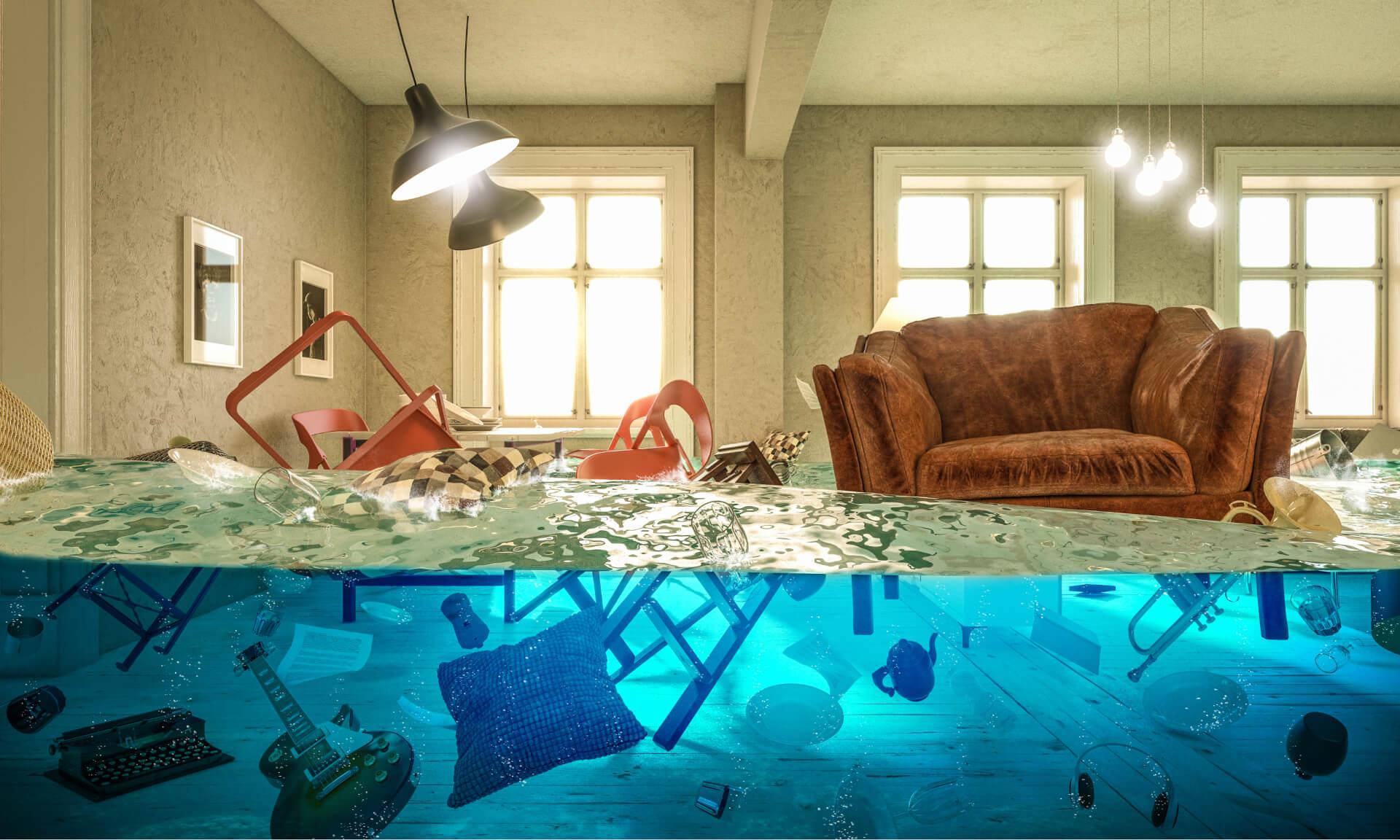
Unexpected water damage can disrupt daily life and create serious challenges for homeowners and business owners. Burst pipes, overflowing appliances, severe storms, and plumbing failures can release large amounts of water into a property within minutes. When water spreads across floors, enters walls, or reaches electrical systems, immediate attention becomes essential to protect the building and its contents.
Responding quickly to water damage can help reduce the extent of structural deterioration and limit the need for extensive repairs. Property owners should understand the immediate precautions to take, the importance of professional assessment, and the steps involved in restoring a damaged space. A well-organized response can make the recovery process more manageable.
Understanding Emergency Water Damage Situations
Emergency Water Damage Restoration fairfax services address urgent water-related incidents that threaten a property's condition or create potential safety concerns. These situations may involve extensive flooding, sudden plumbing failures, roof leaks during storms, or water entering basements and living spaces.
Water can move rapidly through a building and affect materials that are not immediately visible. Carpets may absorb moisture, drywall can become saturated, and water may collect beneath flooring or inside wall cavities. If these areas remain wet, the damage may worsen over time.
Emergency restoration focuses on controlling the source of the water, removing standing water, identifying affected materials, and beginning the drying process. The specific response depends on the amount of water involved, its source, and the condition of the property.
Common Causes of Emergency Water Damage in Fairfax
Several unexpected events can require immediate restoration assistance. Understanding these causes helps property owners recognize potential risks and respond appropriately.
Burst Pipes and Sudden Plumbing Failures
A burst pipe can release a significant volume of water into a home or commercial building. Freezing temperatures, corrosion, excessive pressure, and damaged connections may contribute to pipe failures. Water can spread through multiple rooms before the source is identified.
When a plumbing failure occurs, shutting off the main water supply may help prevent additional damage, provided it is safe to access the shutoff valve. A qualified plumber should inspect and repair the damaged pipe before permanent restoration work begins.
Storm-Related Flooding
Heavy rainfall and severe storms can cause water to enter basements, crawl spaces, and ground-level rooms. Roof damage, clogged gutters, and overwhelmed drainage systems may increase the risk of indoor flooding.
Stormwater can contain dirt, debris, and other contaminants. Property owners should avoid direct contact with potentially contaminated floodwater and arrange an appropriate assessment before beginning cleanup.
Overflowing Appliances and Fixtures
Washing machines, dishwashers, toilets, sinks, and water heaters can overflow because of mechanical failures, blockages, or damaged connections. Even when the initial incident appears minor, water may spread beneath cabinets and flooring.
Promptly stopping the water flow and inspecting nearby materials can help determine whether professional drying or additional repairs are necessary.
Roof Leaks and Ceiling Damage
Damaged shingles, failed flashing, and deteriorated roofing materials can allow water to enter a building during rainfall. In some cases, water accumulates above ceilings before becoming visible indoors. Sagging ceilings, expanding water stains, and dripping fixtures should be treated seriously because saturated materials may become unstable.
Why Immediate Professional Restoration Matters
Finding a reliable restoration provider is an important part of managing an urgent water-related incident. Professional technicians can assess the extent of the damage, identify hidden moisture, and use suitable equipment to remove water and dry affected areas.
Thefloodmasters is a brand property owners can consider when researching water damage restoration and related cleanup services. Before choosing a provider, it is sensible to review its service offerings, experience, customer feedback, and procedures for handling emergency situations.
A suitable restoration provider should explain the recommended work, identify potential safety concerns, and outline the drying and repair process. Property owners should also ask whether plumbing, electrical, or other specialist services are required.
Prompt restoration is particularly important when water has entered concealed spaces or affected porous materials. However, speed should not replace safety. Water near electrical systems, sewage contamination, or unstable building components requires appropriate precautions before cleanup begins.
Essential Steps in Emergency Water Damage Restoration
Although every water damage incident is different, a structured approach helps address the immediate problem and prepare the property for recovery.
1. Assess the Situation and Address Immediate Hazards
The first priority is protecting occupants. Stay away from standing water near electrical equipment, damaged wiring, or submerged outlets. Do not enter a flooded area if electrical hazards or structural instability may be present.
If the water source is a plumbing failure, turn off the water supply only when it is safe to do so. Contact emergency services when there is an immediate threat to life or serious danger to occupants.
2. Identify and Stop the Water Source
Restoration efforts are more effective when the source of the water is controlled. A plumber may need to repair a burst pipe, while a roofing professional may be required to address storm-related leaks.
If the source is contaminated water or sewage, the area should be handled using appropriate safety procedures rather than ordinary household cleaning methods.
3. Remove Standing Water
Once the area is safe to access, standing water should be removed promptly. Professional restoration teams may use commercial pumps, wet extraction equipment, and other suitable tools to remove accumulated water from floors, carpets, and affected spaces.
Removing standing water helps reduce additional absorption into building materials, although it does not eliminate moisture that has already penetrated the structure.
4. Dry and Monitor Affected Materials
After extraction, air movers and commercial dehumidifiers may be used to help dry the affected areas. Technicians can monitor moisture levels in walls, floors, and other materials to determine whether additional drying is required.
Thorough drying is important because residual moisture can contribute to mold growth and further deterioration. Damaged materials may require removal if they cannot be dried or safely restored.
5. Clean, Repair, and Restore the Property
Depending on the source of the water, affected surfaces may need cleaning and sanitization. Contaminated water requires specialized handling, while materials that have suffered extensive damage may need replacement.
Once the area is sufficiently dry and safe for reconstruction, repairs can include replacing drywall, repairing flooring, repainting walls, and restoring damaged fixtures.
How to Reduce Damage While Waiting for Assistance
Property owners can take several practical steps while arranging professional help, provided the area is safe.
-
Move unaffected belongings away from the damaged area when possible.
-
Photograph visible damage for documentation and insurance purposes.
-
Keep children and pets away from flooded rooms.
-
Avoid using electrical appliances in wet areas.
-
Do not operate household fans or other equipment where electrical safety is uncertain.
-
Contact the insurance provider to understand documentation requirements and applicable coverage.
Avoid attempting to remove contaminated water without appropriate training and protective equipment. If a ceiling is bulging or sagging, keep people away from the area instead of attempting to puncture or drain it yourself.
Preventing Future Water Emergencies
Routine maintenance can reduce the likelihood of sudden water damage. Inspect plumbing connections, appliance hoses, roofs, gutters, and drainage systems regularly. Repair small leaks before they develop into larger failures.
Installing leak detectors near washing machines, water heaters, and other vulnerable appliances can provide an early warning. Homeowners should also understand the location of the main water shutoff valve and ensure that household members know how to access it safely.
Properties with a history of basement flooding may benefit from a professional drainage assessment. Addressing known vulnerabilities before severe weather or plumbing failures occur can reduce the risk of repeated damage.
Conclusion
Emergency water damage requires a careful and timely response to protect occupants and limit property deterioration. Controlling the water source, removing standing water, drying affected materials, and completing necessary repairs are essential parts of recovery. By prioritizing safety, arranging appropriate professional assistance, and maintaining vulnerable areas, property owners can improve their ability to manage unexpected water damage.
- Technology for Students
- Admissions & Applications
- Online Courses
- Career and Jobs
- Campus Life
- Drinks
- Film
- Fitness
- Food
- Jeux
- Gardening
- Health
- Domicile
- Literature
- Music
- Networking For Students
- Insights
- Party
- Religion
- Shopping
- Sports
- Theater
- Wellness
- Education News
- Business & Finance For Students
- Security, Law & Crime Education
- Insurance
- Science & Technology For Students
 French
 English
 Arabic
 Spanish
 Portuguese
 Deutsch
 Turkish
 Dutch
 Italiano
 Russian
 Romaian
 Portuguese (Brazil)
 Greek