


Types of Hair Extensions for Natural Length and Volume
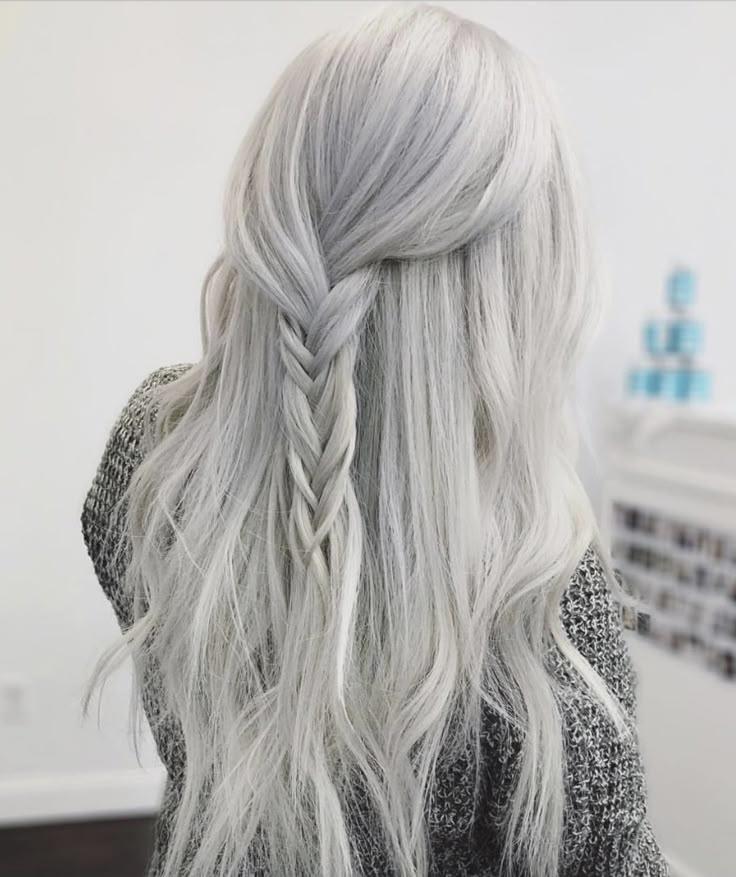
Hair extensions have become a popular choice for people who want to enhance their appearance, add length, or create fuller hairstyles. They offer different styling possibilities without requiring natural hair to grow for months or years. Understanding the types of hair extensions available can help you choose an option that suits your hair texture, lifestyle, and personal preferences.
Hair extensions differ in their materials, attachment methods, lengths, and maintenance requirements. Some are designed for temporary use, while others require professional installation and regular adjustments. When exploring Belbonita hair extensions, learning about these differences can help you compare available options and identify a style that complements your natural hair.
Clip In Hair Extensions for Flexible Styling
Clip-in extensions are among the most convenient options for people who want to change their hairstyle temporarily. They consist of hair attached to small clips that secure to sections of natural hair. These extensions can generally be applied and removed at home by following the manufacturer's instructions.
Clip-ins are often chosen for weddings, parties, photoshoots, and other special occasions. They allow users to experiment with additional length and volume without keeping extensions attached throughout the day. Selecting a suitable colour and texture helps the added hair blend naturally with existing strands.
Tape In Hair Extensions for a Seamless Finish
Tape-in extensions feature thin hair wefts attached to natural hair using specialised adhesive strips. A trained stylist usually positions the extensions near the roots, allowing them to lie relatively flat against the head. Their placement can create a smooth appearance when the colour and texture match the wearer's natural hair.
These extensions require professional maintenance as natural hair grows. Proper removal is essential because pulling adhesive extensions away without the correct technique can cause breakage. Following recommended care instructions helps maintain the extensions and reduces unnecessary stress on natural hair.
Sew In Hair Extensions for Fuller Hairstyles
Sew-in extensions typically involve attaching hair wefts to carefully prepared braids using thread. This method is often selected by people whose natural hair can comfortably support the installation. A stylist should evaluate hair density, strength, and scalp condition before deciding whether this approach is appropriate.
Sew-in extensions can create a fuller hairstyle while allowing users to explore different lengths. However, excessive braid tension can cause discomfort and contribute to traction-related hair loss. Keeping the scalp clean and arranging professional maintenance when necessary are important parts of caring for this extension type.
Micro Link Hair Extensions for Individual Placement
Micro link extensions use small beads or rings to attach individual extension strands to natural hair. This technique generally does not require adhesive strips, although specialised tools are needed for installation. A professional stylist positions each attachment to distribute the extensions throughout the hairstyle.
Because individual strands are attached separately, placement can be adjusted to suit the desired appearance. However, incorrect positioning, excessive weight, or tight attachments may contribute to tangling and breakage. Regular professional checks help maintain the installation as natural hair grows.
Fusion Hair Extensions for Long Term Styling
Fusion extensions use individual hair strands attached to natural hair with a specialised bonding material. Depending on the system, the bonds may require specific tools and professional application techniques. When the colour, texture, and placement are appropriate, fusion extensions can blend closely with natural hair.
Installation and removal require professional skill and may take considerable time. Attempting to remove bonded extensions without suitable products and techniques can damage natural strands. Before choosing this method, discuss your hair condition, maintenance requirements, and styling expectations with an experienced hairstylist.
Halo Hair Extensions for Temporary Use
Halo extensions consist of a hair weft supported by a thin wire that sits around the head. The wearer positions natural hair over the extension to conceal the wire and create a blended appearance. Unlike many other extension types, halo designs generally do not require adhesive, braids, or individual strand attachments.
This option can suit people who prefer temporary styling and want to remove their extensions after use. Correct sizing and positioning are important for comfort and stability. Following the manufacturer's instructions helps ensure the wire fits properly without placing unnecessary tension on the hair.
Human Hair and Synthetic Hair Extensions
Another important difference between the types of hair extensions is the material used to produce them. Human hair extensions are made from real hair and generally provide natural movement and texture. Depending on their quality and processing, some can be washed, curled, or straightened according to the manufacturer's instructions.
Synthetic extensions are manufactured from artificial fibres and are available in numerous colours, lengths, and textures. They can be useful for temporary hairstyles and creative looks, although their heat resistance varies. Checking product instructions before using heated styling tools helps prevent damage and preserves the extension's appearance.
The choice between human hair and synthetic materials depends on your budget, styling preferences, and maintenance routine. Understanding the characteristics of each material helps you choose a product that meets your expectations.
Choosing Belbonita Hair Extensions for Your Style
When researching Belbonita hair extensions, consider the characteristics that matter most for your preferred hairstyle. Colour, length, texture, material, and density all influence how well extensions blend with natural hair. Choosing a product that complements your existing hairstyle can create a more balanced and realistic appearance.
Review the available product descriptions and care instructions before making a decision. If you are unsure which application method suits your hair, consult a qualified stylist who can assess your hair condition and explain the differences between temporary and professionally installed options. Careful selection can help you develop a styling routine that fits your daily activities.
Maintaining Hair Extensions for Better Results
Proper maintenance helps keep extensions smooth, manageable, and presentable. Brush gently from the ends upward, using a brush suitable for the extension type. Support attachment areas while detangling to reduce pulling and avoid unnecessary stress on natural hair.
Washing routines depend on the material and installation method. Follow the manufacturer's instructions and use suitable haircare products. Avoid excessive heat and ensure the extensions are dried properly as recommended. Professionally installed extensions also require regular maintenance because natural hair continues to grow.
Pay attention to scalp comfort and changes in your natural hair. Persistent irritation, tightness, discomfort, or unusual breakage may indicate that the extensions need professional assessment. Appropriate installation and careful maintenance help reduce avoidable damage and keep the hairstyle looking its best.
Frequently Asked Questions About Hair Extensions
What are the most common types of hair extensions?
Common options include clip-in, tape-in, sew-in, micro link, fusion, and halo extensions. Each method has different installation requirements, maintenance routines, and suitability for particular hair types.
Which hair extensions look the most natural?
The most natural-looking extensions usually match your hair colour, texture, and density. Human hair extensions can provide natural movement, but proper placement and blending are equally important.
Can hair extensions damage natural hair?
Extensions may contribute to breakage or traction-related hair loss when they are too heavy, installed too tightly, or maintained incorrectly. Selecting a suitable method and addressing discomfort early can help reduce these risks.
How long do hair extensions last?
Their lifespan depends on material quality, construction, frequency of use, and maintenance. Temporary extensions may be reused multiple times, while professionally installed options require periodic maintenance and eventual replacement.
How do I choose Belbonita hair extensions?
Review available product details, including length, colour, material, texture, and care instructions. Consider your natural hair condition and preferred styling method before selecting a suitable option.
Can I wash my hair while wearing extensions?
In many cases, yes, but the correct routine depends on the extension type and installation method. Follow the manufacturer's instructions and your stylist's recommendations to keep the extensions clean and manageable.
Conclusion
Understanding the different types of hair extensions makes it easier to select an option that matches your desired hairstyle, natural hair condition, and maintenance preferences. Clip-ins and halo extensions provide temporary styling choices, while tape-ins, sew-ins, micro links, and fusion extensions involve different installation methods and professional care requirements.
When considering Belbonita hair extensions, review the available product information and choose an option that complements your hair texture, colour, and lifestyle. With careful selection, suitable application, and consistent maintenance, hair extensions can help you explore new hairstyles while keeping the health of your natural hair a priority.
- Technology for Students
- Admissions & Applications
- Online Courses
- Career and Jobs
- Campus Life
- Drinks
- Film
- Fitness
- Food
- Jogos
- Gardening
- Health
- Início
- Literature
- Music
- Networking For Students
- Insights
- Party
- Religion
- Shopping
- Sports
- Theater
- Wellness
- Education News
- Business & Finance For Students
- Security, Law & Crime Education
- Insurance
- Science & Technology For Students
 Portuguese (Brazil)
 English
 Arabic
 French
 Spanish
 Portuguese
 Deutsch
 Turkish
 Dutch
 Italiano
 Russian
 Romaian
 Greek