


What Are the Benefits of Professional Massage
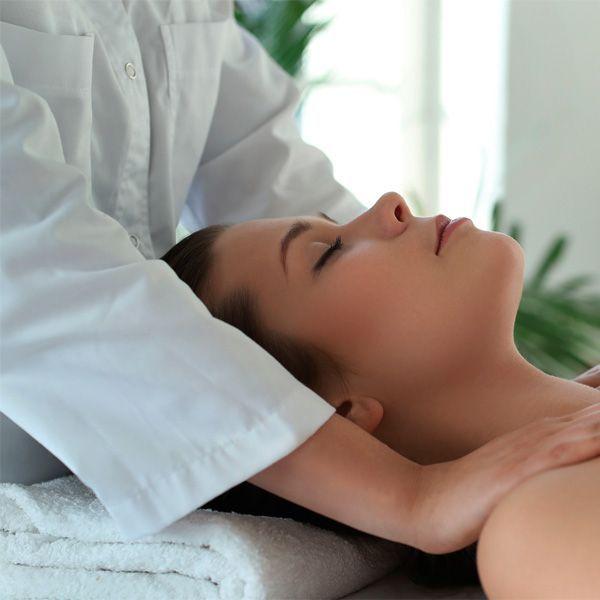
Professional massage therapy offers a remarkably comprehensive range of health benefits. Its effects extend well beyond the immediate relaxation that most people associate with the experience. Scientific research has documented therapeutic benefits across physical, neurological, and psychological domains. Understanding these benefits helps you appreciate the full value of professional massage and motivates consistent engagement with this powerful wellness tool.
Physical Benefits of Regular Therapeutic Massage
The physical benefits of professional massage are among its most well-documented and widely recognized effects. They result from the direct mechanical and physiological actions of skilled manual therapy on body tissues.
Muscle Tension Relief and Tissue Quality Improvement
Therapeutic massage directly addresses the muscular tension that accumulates from daily postural demands, exercise, and stress. Deep tissue techniques work below the superficial muscle layers to address the deeper tension that accumulates over time. Trigger point therapy deactivates hyperirritable nodules within taut bands that cause local and referred pain. Myofascial release addresses the fascial network that transmits tension throughout the entire body.
These targeted techniques produce immediate reductions in muscular tension that translate into improved ease of movement. Regular sessions prevent the re-accumulation of tension that drives chronic pain and movement restriction. Muscle tissue quality improves progressively with consistent treatment as adhesions reduce and fiber organization improves. Athletes and physically active people who receive regular massage consistently report better recovery between training sessions and lower rates of overuse injury.
Circulatory Enhancement and Tissue Nutrition
Therapeutic massage produces measurable improvements in local and systemic circulation. The mechanical compression and release cycles of massage increase capillary recruitment in treated tissues. This enhanced circulation delivers more oxygen and nutrients to areas that are chronically tight and poorly perfused. Metabolic waste products including lactic acid and inflammatory mediators are cleared more efficiently.
Lymphatic circulation also benefits significantly from therapeutic massage. Lymphatic vessels do not have their own pump and depend on movement and manual stimulation for flow. Massage assists lymphatic drainage, reducing tissue congestion and supporting the immune function that lymphatic flow facilitates. Reduced tissue congestion contributes to the lightness and ease of movement that patients consistently report following sessions.
Pain Reduction Through Multiple Mechanisms
Pain relief is perhaps the most clinically significant benefit of therapeutic massage. Multiple mechanisms work simultaneously to reduce pain during and after sessions. Endorphin release during massage provides natural analgesia through the body’s own pain control systems. Gate control theory explains how tactile input from massage partially blocks pain signal transmission.
Trigger point deactivation removes a significant source of both local and referred pain. Reduced muscular tension decreases the mechanical compression on pain-sensitive structures. Improved circulation removes the inflammatory mediators that sensitize peripheral pain receptors. The combination of these mechanisms produces pain relief that is often more comprehensive than single-mechanism pharmaceutical approaches.
Neurological Benefits That Transform Daily Function
The neurological effects of professional massage are profound and represent some of its most important benefits. These effects influence not only pain perception but also stress resilience, sleep quality, and emotional well-being.
Parasympathetic Activation and Stress Reduction
Therapeutic massage reliably activates the parasympathetic nervous system through multiple input pathways. This activation counteracts the chronic sympathetic dominance that stress, pain, and demanding lifestyles create. The resulting physiological changes include reduced heart rate, decreased blood pressure, and lowered cortisol levels. These measurable shifts represent genuine physiological restoration rather than merely subjective relaxation.
Regular massage sessions progressively lower the baseline activation level of the stress response system. The nervous system gradually learns to access the parasympathetic state more readily between sessions. This improved regulatory capacity is one of the most important long-term benefits of consistent massage therapy. Busy and high-stress individuals who establish regular massage routines consistently report that their overall stress resilience improves substantially over time.
Sleep Quality and Circadian Rhythm Support
Therapeutic massage demonstrably improves sleep quality across multiple dimensions. Session-induced cortisol reduction facilitates easier sleep onset when resting time arrives. Serotonin released during massage is a precursor to melatonin, the primary sleep-regulatory hormone. Regular sessions support more consistent melatonin production and more predictable sleep timing.
The physical relaxation following massage reduces the nocturnal pain and tension that disrupts sleep continuity. Deeper sleep stages become more accessible when the body arrives at rest in a genuinely relaxed state. Patients who receive regular massage consistently report falling asleep more easily, experiencing fewer nocturnal awakenings, and feeling more rested upon waking. These sleep improvements produce cascading benefits for every aspect of daily functioning.
Psychological and Emotional Benefits
The psychological benefits of professional massage are increasingly recognized as equal in importance to its physical effects. These benefits reflect the deep interconnection between physical state and psychological well-being that modern neuroscience has confirmed.
Anxiety and Depression Symptom Reduction
Research has documented significant reductions in anxiety and depression symptoms following massage therapy. The neurochemical changes produced by massage directly support improved mood. Increased serotonin and dopamine provide antidepressant and anxiolytic effects through the same neurotransmitter systems targeted by pharmaceutical interventions. These effects occur naturally and without the side effects associated with pharmacological management.
Physical touch activates the oxytocin system associated with safety, connection, and well-being. This activation provides benefits that extend beyond neurochemical changes into the fundamental human experience of feeling cared for. For people experiencing loneliness, isolation, or the emotional demands of caregiving roles, the therapeutic relationship and physical care of massage has particular value. It is not a replacement for psychological treatment when that is indicated, but a powerful complementary support.
Cognitive Performance and Mental Clarity
The stress-reduction effects of massage directly benefit cognitive performance. Elevated cortisol impairs hippocampal function, reducing memory consolidation and learning capacity. Regular massage keeps cortisol levels lower over time, protecting these cognitive functions. Many professionals who receive regular massage report improved focus, clarity, and decision-making capacity.
The improved sleep quality produced by regular massage compounds these cognitive benefits significantly. Sleep is the primary period for memory consolidation and cognitive maintenance. Better sleep quality translates directly into improved cognitive performance across all domains. Sherwood Park professionals who invest in regular massage frequently describe the cognitive benefits as among the most valued outcomes of their treatment.
Regular sessions at a quality massage therapy Sherwood Park clinic provide access to all these benefits under the care of registered, qualified professionals. These practitioners bring clinical knowledge and skilled technique to every session. They assess your specific needs and adapt their approach to maximize therapeutic benefit. The individualized attention of a qualified registered therapist produces measurably better outcomes than non-clinical massage services.
Long-Term Benefits of Consistent Professional Massage
Single massage sessions produce meaningful acute benefits. However, the most significant and transformative benefits of professional massage emerge from consistent engagement over time. Regular clients experience changes that extend far beyond what any single session can produce.
Progressive Tissue Health Improvement
With regular treatment, the fundamental quality of muscle and connective tissue improves progressively. Chronic adhesions that have accumulated over years gradually resolve with consistent treatment. Fascial restrictions that limit movement and cause widespread tension reduce in extent and severity. Trigger points that have perpetuated pain patterns for years are systematically deactivated and prevented from re-forming.
This progressive tissue health improvement produces a gradually increasing baseline of physical comfort. Patients often notice at approximately the three to six month mark of consistent treatment that their between-session comfort has substantially improved. The tissue has changed in ways that produce lasting benefit independent of any single session. This compounding effect is the most compelling argument for consistent professional massage.
Nervous System Recalibration and Resilience
The most profound long-term benefit of regular massage may be the progressive recalibration of the nervous system. Chronic stress, pain, and demanding life circumstances push the nervous system toward sustained hyperactivation. This hyperactivation has pervasive negative effects on health, mood, performance, and relationships.
Regular therapeutic massage provides consistent parasympathetic input that gradually counterbalances this hyperactivation. Over months of regular treatment, the nervous system’s resting state shifts toward greater balance and resilience. Stressors that previously produced significant physiological responses become more manageable. Sleep improves, pain decreases, mood stabilizes, and quality of life measurably improves.
Sherwood Park residents who commit to regular professional massage discover that its benefits extend into every area of their lives. The investment in professional massage care is an investment in a genuinely better quality of daily experience. Beginning or recommitting to regular professional massage is among the most impactful health decisions available to any resident of this vibrant community.
- Technology for Students
- Admissions & Applications
- Online Courses
- Career and Jobs
- Campus Life
- Drinks
- Film
- Fitness
- Food
- Oyunlar
- Gardening
- Health
- Home
- Literature
- Music
- Networking For Students
- Insights
- Party
- Religion
- Shopping
- Sports
- Theater
- Wellness
- Education News
- Business & Finance For Students
- Security, Law & Crime Education
- Insurance
- Science & Technology For Students
 Turkish
 English
 Arabic
 French
 Spanish
 Portuguese
 Deutsch
 Dutch
Dutch
 Italiano
 Russian
 Romaian
 Portuguese (Brazil)
 Greek
Greek