


Cerebral Palsy VR Therapy: Our CogniHab Journey
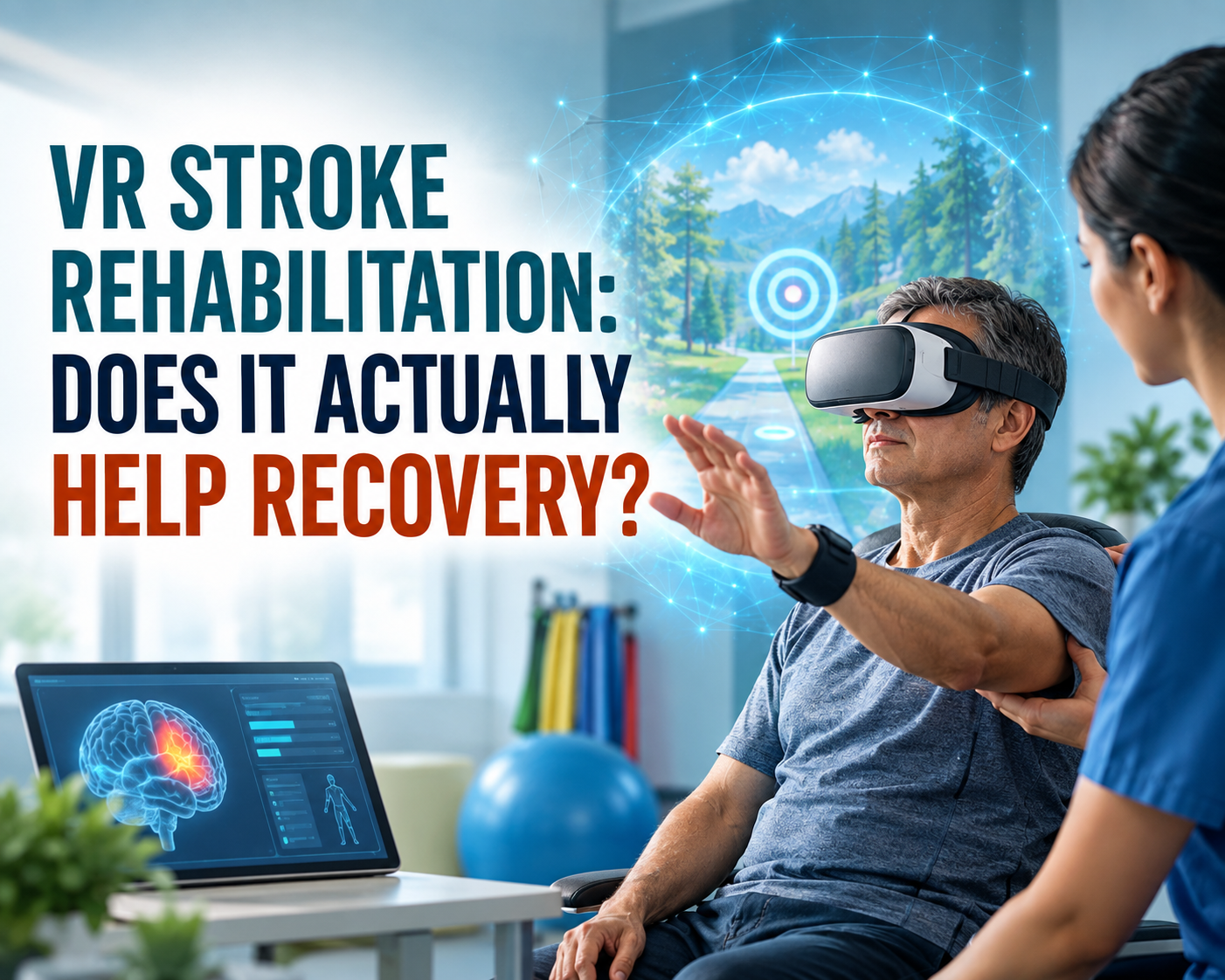
When my son was little, therapy days were the hardest days. He wasn’t unwilling. He was just tired. Cerebral palsy made every movement take extra effort, and repeating the same exercises again and again made him lose interest fast. I remember sitting in the clinic thinking, “How do I make this feel less like work for him?”
Why Is Therapy So Hard to Keep Up With?
Why do children lose interest?
Therapy often needs repetition. For a child, doing the same movement ten times can feel endless. Without fun, motivation drops quickly.
What did it feel like as a parent?
I felt helpless at times. I wanted him to practice more, but I didn’t want therapy to become a fight. I worried he would start to dislike it.
What did his therapist say?
She reminded me that progress is built on consistency, and that making sessions enjoyable could help him stay engaged. She said children often move more when they are playing.
How Did We Find VR Therapy?
What made us curious?
His therapist mentioned game-style virtual reality activities that could turn exercises into small challenges. I was cautious. I wanted something safe, supervised, and suitable for his needs.
How did the first session go?
It was short, and she was beside him the whole time. He reached out to touch bright objects and moved his hands to complete simple tasks. He was smiling. That alone made the day special for me.
Was it perfect from the start?
No. Some tasks were hard, and some days he was tired. But the therapist adjusted the activities to match his comfort. That flexibility mattered a lot.
How Does Cerebral Palsy VR Therapy Work?
Why do games support practice?
Games give a clear goal and instant feedback. When a child is focused on playing, they often repeat movements without feeling the effort as much.
How does it help therapists?
Guided VR can help therapists adapt activities, watch how a child responds, and adjust the plan over time. The therapist stays in charge at every step.
What skills can it support?
Depending on the child and the plan, therapy may focus on movement, coordination, balance, and participation in daily activities. Every child is different, so goals should always be set by a professional.
What Strategies Helped Us Most?
Short, happy sessions
We kept sessions brief so he never felt pushed. Ending on a good note made him excited for next time.
Celebrating small wins
Reaching one more object or holding focus a little longer felt like a big victory. We cheered every time.
Working closely with the therapist
We shared how he felt after each session, and she adjusted the plan. Teamwork between parent and therapist made all the difference.
Is VR Right for Every Child?
Is it safe?
When supervised and used in short sessions, many children can take part comfortably. Some may feel dizziness or eye strain, so breaks are important.
Who should check with a doctor first?
Children with seizure history, vision issues, or strong motion sensitivity should be checked by a doctor before trying VR.
Does it replace regular therapy?
No. It works alongside traditional therapy, guided by a qualified professional.
What I Learned as a Parent
I used to think progress meant big milestones. Now I know it often looks like a child who is willing to try again tomorrow. If you are exploring cerebral palsy VR therapy, talk to your child’s therapist and ask what fits your child’s needs. Platforms like CogniHab are built to make guided therapy more engaging for families.
Frequently Asked Questions (FAQs)
1. What is cerebral palsy VR therapy?
It is the use of supervised, game-style virtual reality activities to support movement and coordination practice for people with cerebral palsy.
2. Can VR replace physiotherapy?
No. It supports regular therapy and should be guided by a professional.
3. At what age can a child try it?
This depends on the child and the headset guidelines. A doctor or therapist should advise.
4. How long should sessions be?
Sessions usually start short and increase slowly, as guided by a therapist.
5. Who is CogniHab?
CogniHab is a digital therapeutics company offering clinically guided VR solutions for rehabilitation, relaxation, and wellness.
Disclaimer: This article is for informational purposes only and is not a substitute for professional medical advice.
- Technology for Students
- Admissions & Applications
- Online Courses
- Career and Jobs
- Campus Life
- Drinks
- Film
- Fitness
- Food
- Oyunlar
- Gardening
- Health
- Home
- Literature
- Music
- Networking For Students
- Insights
- Party
- Religion
- Shopping
- Sports
- Theater
- Wellness
- Education News
- Business & Finance For Students
- Security, Law & Crime Education
- Insurance
- Science & Technology For Students
 Turkish
 English
 Arabic
 French
 Spanish
 Portuguese
 Deutsch
 Dutch
Dutch
 Italiano
 Russian
 Romaian
 Portuguese (Brazil)
 Greek
Greek