


Anti-Bending Cable Gland: Cleaner Wiring Solutions
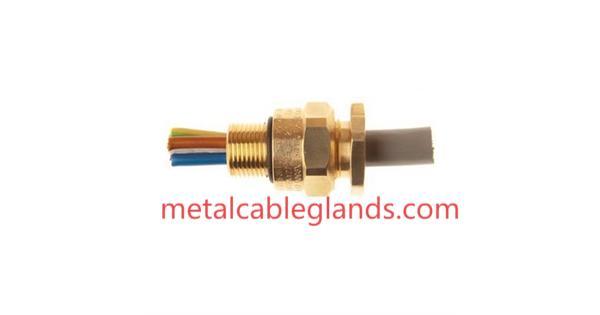
Cable routing can become challenging when electrical equipment has limited space, frequent movement, or multiple connection points. An Anti-Bending Cable Gland helps guide cables through enclosure openings while providing support near the entry point. By choosing an Anti-Bending Cable Gland that matches the cable diameter and installation conditions, equipment manufacturers can improve wiring organization, reduce unnecessary pressure on cable jackets, and create cleaner assemblies that are easier to inspect and maintain.
Making Cable Routing Easier in Tight Spaces
Compact electrical housings often leave little room for cables to turn naturally. When a cable must change direction immediately after entering an enclosure, excessive bending may affect its outer sheath and place additional stress on nearby connections. Careful routing helps prevent these issues while keeping internal components accessible.
A flexible cable entry arrangement can make installation more manageable, particularly in control panels, machine housings, lighting systems, and automation equipment. Installers should plan the cable path before fixing the fitting in place, allowing enough room for the cable to follow a smooth curve. This simple step can reduce installation difficulties and help maintain a tidy layout.
Choosing Suitable Materials for Different Environments
Material selection influences how well an accessory performs under everyday operating conditions. Nylon components may offer a lightweight option for many electrical installations, while other materials may be preferred when particular mechanical or environmental requirements apply. The correct choice depends on the complete application rather than appearance alone.
Buyers should consider exposure to moisture, dust, temperature changes, vibration, and cleaning products. They should also check the compatibility of the fitting with the enclosure and cable sheath. Reviewing technical information before ordering helps avoid mismatched components and makes it easier to compare alternatives according to practical needs.
Reducing Cable Wear During Equipment Operation
Cables may experience repeated movement when connected to machines, adjustable equipment, or systems subject to vibration. Over time, poor support near an entry point can contribute to surface wear, deformation, or stress around the connection. Proper cable management helps distribute movement more effectively and reduces unnecessary tension.
However, a fitting should not be treated as a replacement for sound cable routing or appropriate strain relief throughout the installation. Designers need to consider the cable's minimum bending radius, expected movement, and available support points. Combining suitable accessories with thoughtful layout planning can help equipment remain organized and easier to service.
MetalCableGlands: Finding the Right Connection Accessories
Selecting electrical accessories involves balancing fit, durability, installation convenience, and purchasing requirements. MetalCableGlands offers cable entry products for different equipment configurations, allowing buyers to explore options when developing new assemblies or updating existing systems.
Before requesting a quotation, purchasing teams can prepare cable diameter measurements, thread requirements, enclosure details, and estimated order quantities. Sharing this information helps suppliers understand the intended application and makes product comparisons more efficient. For businesses handling several projects, consistent specifications can also simplify stock management and reduce the risk of ordering incompatible fittings.
Building Better Installation and Maintenance Habits
A reliable installation begins with checking dimensions and inspecting the cable before assembly. Technicians should confirm that the opening and thread match the selected fitting, ensure the cable sheath remains undamaged, and follow the manufacturer's installation guidance. Excessive tightening or forcing an unsuitable cable through an opening may create problems that are difficult to notice immediately.
Maintenance teams should periodically examine cable entry points for looseness, visible wear, contamination, or signs of excessive bending. Equipment exposed to regular movement may require more frequent checks than stationary installations. Replacing worn accessories and correcting poor routing early can help prevent avoidable downtime. To explore cable entry products for different industrial requirements, visit https://www.metalcableglands.com/ and review the available options for your next project.
- Technology for Students
- Admissions & Applications
- Online Courses
- Career and Jobs
- Campus Life
- Drinks
- Film
- Fitness
- Food
- Giochi
- Gardening
- Health
- Home
- Literature
- Music
- Networking For Students
- Insights
- Party
- Religion
- Shopping
- Sports
- Theater
- Wellness
- Education News
- Business & Finance For Students
- Security, Law & Crime Education
- Insurance
- Science & Technology For Students
 Italiano
 English
 Arabic
 French
 Spanish
 Portuguese
 Deutsch
 Turkish
 Dutch
Dutch
 Russian
 Romaian
 Portuguese (Brazil)
 Greek
Greek