


How Can Sports Massage Support Athletic Recovery?
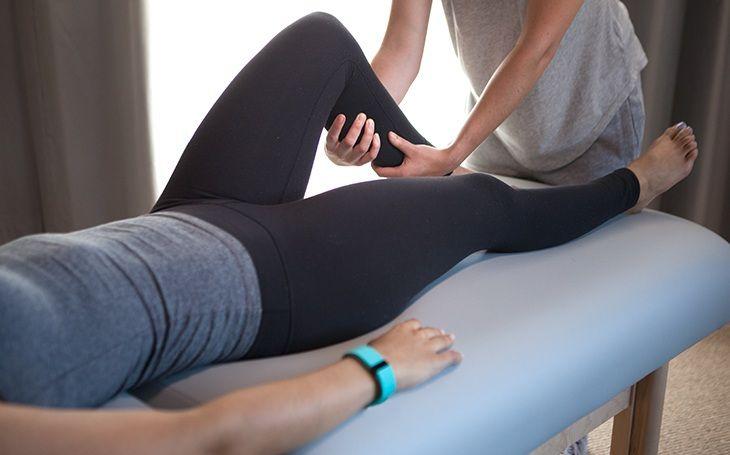
Athletic performance depends equally on the quality of training and the completeness of recovery. The adaptation that makes athletes faster, stronger, and more resilient occurs during recovery, not during training itself. Training creates the stimulus. Recovery is where the response takes place. Without complete, high-quality recovery, training produces only cumulative fatigue rather than genuine improvement.
Sports massage is one of the most directly effective recovery tools available to athletes. It supports recovery through multiple physiological mechanisms that rest alone cannot replicate. Understanding how sports massage supports recovery, and incorporating this understanding into training management, allows athletes to recover more completely and train more effectively.
The Recovery Process and Its Requirements
Athletic recovery is a complex, multi-system process. Muscle tissue that sustained microscopic damage during training must be repaired and rebuilt stronger. Glycogen stores depleted by energy demands must be replenished. The nervous system must restore its coordination precision and neurotransmitter balance. Inflammatory mediators produced during intense exercise must be cleared from tissue. Each of these processes has specific requirements that influence how effectively recovery occurs.
Most of these requirements relate to the availability of biological resources and the efficiency of the circulation that delivers them. Oxygen, amino acids, glucose, and various repair factors must reach recovering tissue. Metabolic byproducts must be removed. Immune cells must access the tissue to manage the repair process. All of these requirements depend on healthy circulation to the recovering structures.
Sports massage directly supports this circulatory dimension of recovery. Mechanical pressure applied during massage dilates local blood vessels and promotes lymphatic drainage. This dual enhancement of both vascular and lymphatic circulation accelerates the delivery of recovery resources and the removal of metabolic waste. The net effect is a more complete and faster physiological recovery process.
Reducing Muscle Soreness Through Manual Therapy
Delayed onset muscle soreness is one of the most familiar and limiting aspects of intense training. It typically peaks 24 to 48 hours after the session that caused it. During this peak period, movement quality is reduced, training is less effective, and daily function may be uncomfortable. Managing DOMS effectively extends training consistency and quality across competitive seasons.
Research consistently demonstrates that sports massage significantly reduces both the intensity and duration of delayed onset muscle soreness. Athletes who receive massage following intense training report less soreness and faster return to normal function compared to those who rest passively. This reduction reflects the multiple mechanisms through which massage supports the tissue processes contributing to DOMS.
The metabolic clearance benefit of massage is central to DOMS reduction. The chemical environment created by metabolic byproducts and inflammatory mediators contributes significantly to the pain sensitivity that characterizes DOMS. Accelerating the clearance of these substances through enhanced circulation reduces the intensity and duration of this chemical contribution to soreness.
Restoring Neuromuscular Function
Beyond the well-known muscular benefits, sports massage supports the recovery of neuromuscular function that intense training disrupts. Athletic performance requires precise, coordinated muscle activation patterns. These patterns depend on effective communication between the nervous system and the musculature. Intense training creates temporary disruptions in this communication that require recovery.
Proprioceptive function, the sensory system that monitors joint position and movement, is affected by intense training. The tissue damage and inflammation created by intense exercise alter the mechanical environment in which proprioceptive receptors operate. This altered environment reduces the accuracy of the sensory information they provide. Reduced proprioceptive accuracy affects movement coordination and increases injury risk.
Sports massage normalizes the mechanical environment in which proprioceptive receptors function. By reducing swelling, releasing tissue restriction, and restoring normal tissue pliability, massage supports more accurate proprioceptive signaling. The improved sensory environment allows more precise motor coordination and reduces the injury risk associated with impaired proprioception after intense training.
Managing Chronic Tissue Accumulation
Athletes who train consistently across long seasons accumulate progressive tissue changes. These changes develop gradually through the cumulative effect of repeated training demands. They include fascial adhesions between tissue layers, trigger points within overloaded muscles, and progressive restrictions in joint mobility. Without systematic management, these accumulations compound into significant functional limitations.
Regular sports massage prevents this accumulation through consistent tissue maintenance. Each session addresses the changes that training has created since the last treatment. Restrictions that might otherwise persist and compound are resolved before they become established dysfunction. Trigger points are identified and treated before they progress to pain-generating active status.
The cumulative benefit of this consistent management is tissue that remains in better condition throughout the competitive season. Athletes who maintain regular professional massage over a full season typically end that season in better physical condition than those who neglect this maintenance. This superior end-of-season condition also means better starting condition for the following preparation phase.
Hormonal Recovery Support
The hormonal environment significantly influences the speed and completeness of athletic recovery. Cortisol, the primary stress hormone, remains elevated following intense training and competition. Elevated cortisol suppresses the anabolic processes that drive tissue repair and adaptation. Rapid normalization of cortisol following intense training supports faster progression through the recovery process.
Sports massage reliably reduces cortisol levels. Research measuring cortisol before and after massage sessions consistently demonstrates this reduction. The parasympathetic nervous system activation produced by massage creates the physiological conditions under which cortisol normalization occurs. This hormonal benefit extends the recovery support of sports massage beyond its direct tissue effects.
Growth hormone and testosterone, which support the anabolic processes of recovery and adaptation, are also influenced by the recovery environment. The improved sleep quality that commonly follows sports massage sessions provides the nocturnal hormonal environment in which these anabolic hormones are most active. Better sleep means better hormonal conditions for tissue repair and adaptation.
Psychological Dimensions of Recovery Support
Athletic recovery has an important psychological dimension that is often underemphasized. Intense training and competition create psychological stress alongside physical stress. Mental fatigue, performance anxiety, and the cumulative psychological demands of competitive sport all require recovery as genuinely as physical fatigue does.
Sports massage supports psychological recovery through several mechanisms. The parasympathetic activation produced by massage reduces subjective stress and improves mood. The endorphin release associated with skilled therapeutic touch provides natural pain relief and mood enhancement. The sense of being physically cared for by a skilled professional supports the psychological sense of support that maintains competitive motivation.
The sports massage and therapy team at Equilibrium Therapeutics provides this comprehensive recovery support with specialized athletic expertise. Their practitioners understand the psychological as well as physical demands that athletes manage. Sessions are designed to address both dimensions of recovery effectively. This whole-athlete perspective distinguishes sports-specialized massage care from generalist approaches.
Integrating Sports Massage Into Recovery Planning
Realizing the full recovery benefits of sports massage requires thoughtful integration into the overall recovery plan. The timing, frequency, and type of massage should reflect the training demands and competition schedule of each individual athlete. Generic approaches produce inferior results compared to tailored integration.
Post-training sessions following the most demanding training days provide immediate recovery support for the tissue stress those sessions create. These sessions focus on metabolic clearance, tension reduction, and restriction management. The timing should ideally be within several hours of training or, when that is not practical, within 24 hours.
Maintenance sessions during lower-intensity training phases provide opportunity for more thorough assessment and corrective work. These sessions can address accumulated restrictions that post-training sessions address only partially. Mid-week maintenance sessions during in-season training provide regular tissue quality monitoring that supports early identification of developing problems.
Pre-competition sessions prepare tissue for the demands of competitive performance. These sessions are typically lighter and more stimulating than recovery-focused work. Their goal is optimal tissue readiness rather than deep corrective treatment. Timing pre-competition sessions two to three days before competition allows benefits to be maintained while any temporary tissue sensitivity resolves.
The Long-Term Value of Consistent Sports Massage
The cumulative benefit of consistent sports massage across a training career is one of the most significant arguments for integrating it as a standard practice rather than an occasional intervention. Tissue that has received regular professional attention across years of training maintains better quality, pliability, and functional integrity than tissue that has not.
Many experienced athletes reflect that the periods of their careers in which they maintained consistent professional massage were their most productive and injury-free periods. The connection between tissue quality maintenance and injury resistance is both biologically logical and clinically observed. Athletes who invest in this maintenance across their careers sustain better physical condition into later years of competitive participation.
The cost-benefit analysis consistently favors regular sports massage when considered against the cost of injury management and rehabilitation. The expense of regular professional massage is substantially less than the financial and competitive cost of even a single significant injury requiring extended rehabilitation. Prevention through consistent tissue maintenance is always more economical than reactive treatment.
Conclusion
Sports massage supports athletic recovery through a comprehensive range of physiological and psychological mechanisms. Enhanced circulation, reduced muscle soreness, improved neuromuscular function, management of chronic tissue accumulation, hormonal recovery support, and psychological benefits all contribute to the significant recovery value that professional sports massage provides. Athletes who integrate this practice thoughtfully into their training and competition schedules recover more completely, train more consistently, and sustain their athletic capacity across longer and more productive careers. The decision to invest in regular professional sports massage is one of the clearest expressions of commitment to athletic development available to any serious competitor.
- Technology for Students
- Admissions & Applications
- Online Courses
- Career and Jobs
- Campus Life
- Drinks
- Film
- Fitness
- Food
- Jogos
- Gardening
- Health
- Início
- Literature
- Music
- Networking For Students
- Insights
- Party
- Religion
- Shopping
- Sports
- Theater
- Wellness
- Education News
- Business & Finance For Students
- Security, Law & Crime Education
- Insurance
- Science & Technology For Students
 Portuguese
 English
 Arabic
 French
 Spanish
 Deutsch
 Turkish
 Dutch
Dutch
 Italiano
 Russian
 Romaian
 Portuguese (Brazil)
 Greek
Greek