


Which Factors Affect Seating Furniture Durability and Comfort
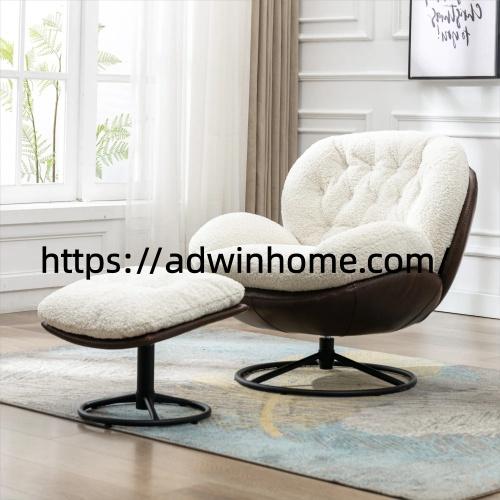
Comfortable Seating Furniture depends on more than its shape or appearance. Material selection influences how a chair or sofa feels, how it performs during regular use, and how much care it requires over time. For homeowners, retailers, and commercial buyers, understanding upholstery, cushioning, and frame construction can make purchasing decisions more practical. Manufacturers also need to consider different customer requirements when developing furniture for residential and commercial environments.
Upholstery is often the first material buyers notice because it determines much of a product’s texture, color, and visual character. Fabric options can create different impressions, from a relaxed atmosphere to a more formal interior. Woven textiles, textured fabrics, and smooth synthetic materials each have their own characteristics. When comparing them, buyers should consider the intended setting, expected frequency of use, and cleaning requirements rather than choosing based on appearance alone.
For households with children or pets, maintenance may be a significant concern. Some upholstery materials allow routine surface cleaning, while others require specific care procedures. Buyers should check the manufacturer’s cleaning instructions and confirm whether a fabric is suitable for their intended environment. Spills, friction, sunlight, and regular contact can affect the appearance of upholstery over time. Practical care requirements should therefore be part of the selection process.
Cushioning materials also influence the seating experience. Foam density, filling composition, and cushion thickness can affect the balance between softness and support. A cushion that feels comfortable during a brief showroom visit may feel different after extended use. Buyers can consider how the furniture will be used, whether for occasional guests, everyday relaxation, reading, or longer periods of sitting. Manufacturers need to consider these use patterns when selecting filling materials and designing cushion structures.
The internal frame is another important element because it supports the overall structure. Wood, engineered wood, and metal are common options, each with different characteristics relating to weight, construction, and intended application. The suitability of a frame depends on its design, material quality, joint construction, and production process. Buyers evaluating furniture for homes or commercial projects can ask about structural specifications and care guidance to understand whether a model fits their requirements.
Material compatibility matters as well. Upholstery, padding, and the frame should work together as part of a coordinated design. A fabric may look attractive, but it should also suit the intended cushion shape and construction method. Similarly, the selected filling should work with the frame dimensions and support system. Careful coordination during manufacturing can help maintain consistency between the product design, its intended function, and the finished item.
Environmental conditions can influence material selection. Furniture placed near windows may receive substantial sunlight, while pieces in busy shared spaces may experience frequent contact and cleaning. In these situations, buyers should review information about color stability, surface care, and suitability for the intended location. For hospitality businesses, offices, and other commercial settings, expected usage patterns may differ from those in a private living room. Defining the setting before ordering helps narrow the available choices.
Color and texture also contribute to interior coordination. Neutral upholstery can complement a variety of decorative schemes, while textured surfaces may introduce visual interest. Wood finishes and metal details can be selected to coordinate with flooring, lighting, and nearby furniture. Interior designers and retailers may benefit from reviewing samples before confirming larger orders, especially when several pieces need to match across a room or product collection.
Cost planning should include both the initial price and ongoing care. Certain materials may require specialized cleaning, while others can be maintained through routine procedures. Buyers ordering for retail or commercial use should also review product dimensions, packaging arrangements, minimum order quantities, and delivery schedules. Clear specifications help purchasing teams compare products on a consistent basis and reduce uncertainty before placing an order.
Manufacturers can support buyers by providing accurate descriptions of upholstery options, cushion construction, frame materials, and recommended care practices. Retailers can use this information to explain product differences to customers, while homeowners can make selections that align with their space and routines. Asking specific questions about materials is a practical way to evaluate whether a furniture design suits its intended purpose.
Selecting furniture is ultimately a process of balancing comfort, appearance, maintenance, and construction. By reviewing these factors together, buyers can make decisions based on their actual needs rather than visual appeal alone. If you are comparing seating options for a home, retail collection, or commercial project, visit https://adwinhome.com/ to review available furniture designs and consider which styles, materials, and construction details fit your requirements.
- Technology for Students
- Admissions & Applications
- Online Courses
- Career and Jobs
- Campus Life
- Drinks
- Film
- Fitness
- Food
- Games
- Gardening
- Health
- Home
- Literature
- Music
- Networking For Students
- Insights
- Party
- Religion
- Shopping
- Sports
- Theater
- Wellness
- Education News
- Business & Finance For Students
- Security, Law & Crime Education
- Insurance
- Science & Technology For Students
 English
 Arabic
 French
 Spanish
 Portuguese
 Deutsch
 Turkish
 Dutch
Dutch
 Italiano
 Russian
 Romaian
 Portuguese (Brazil)
 Greek
Greek