


What to Consider When Exploring Muscle Health Technologies
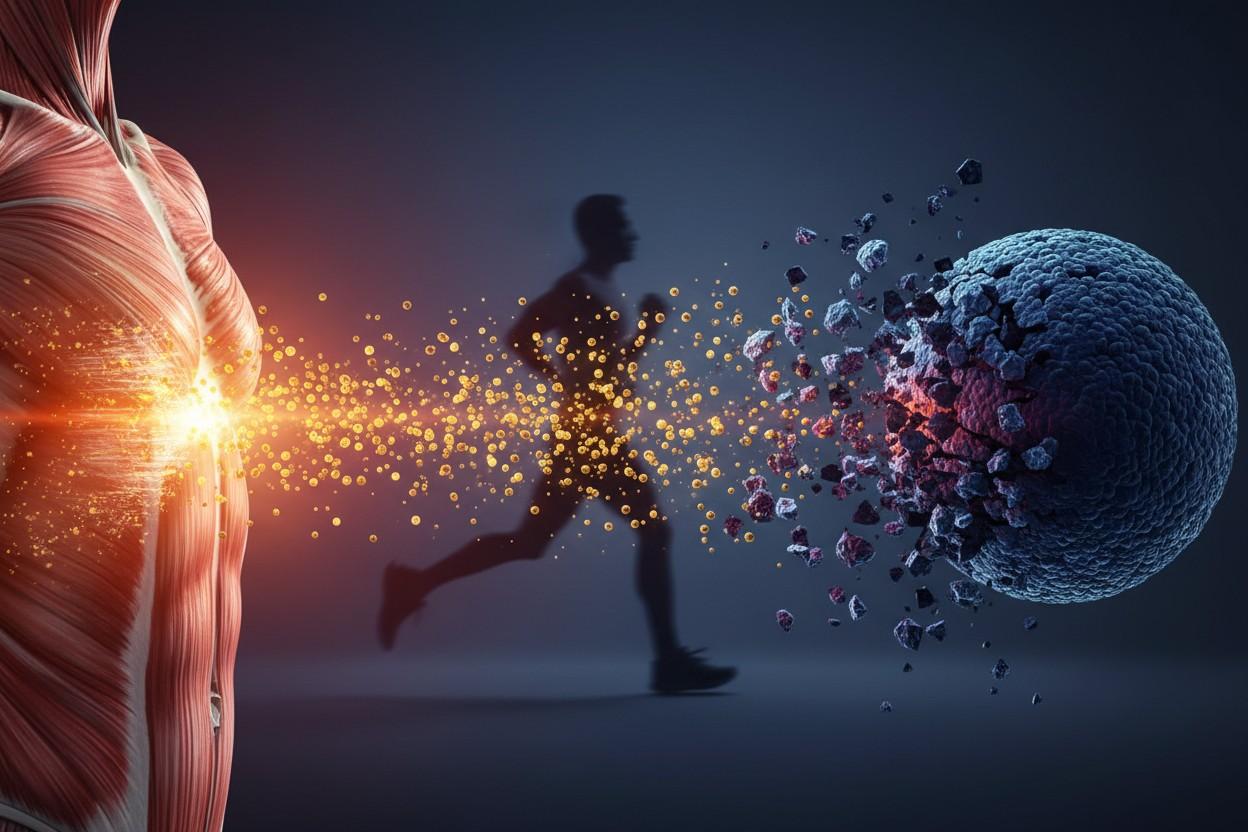
Muscle health technologies are becoming increasingly prominent in the wellness and healthcare landscape. Many aging adults are exploring these tools to support strength, function, and independence. The variety of available options, however, can make informed decision-making genuinely challenging. Understanding what to consider before and during the exploration of muscle health technologies is important. This article provides a comprehensive framework for evaluating and selecting muscle health technologies thoughtfully.
Why Thoughtful Evaluation of Muscle Health Technologies Matters
The market for muscle health technologies is growing rapidly and unevenly. Effective, evidence-based tools coexist alongside products with minimal clinical support. Distinguishing between genuine therapeutic technology and wellness novelty requires informed judgment. The consequences of choosing poorly include wasted investment, missed therapeutic opportunity, and potential harm. For older adults managing real conditions like sarcopenia, this distinction carries significant clinical stakes.
Age-related muscle loss affects a substantial proportion of adults over sixty globally. Sarcopenia increases fall risk, reduces metabolic health, and diminishes functional independence. The urgency of addressing this condition motivates many older adults to explore technological solutions. This urgency must be matched with discernment rather than haste in device selection. Informed consumers who evaluate technologies carefully achieve better health outcomes than those who do not.
Healthcare provider guidance is the most valuable resource available throughout this evaluation process. A physician, physiotherapist, or specialist in aging health can assess individual clinical needs. They can help identify which technology category best addresses specific health goals. Their knowledge of clinical evidence distinguishes reliable from unproven options effectively. Building the device exploration process around professional consultation produces the most appropriate and safe outcomes.
Common Misconceptions About Muscle Health Technologies
Several misconceptions commonly affect how people approach muscle health technology exploration. The first is that any vibration device is equivalent to a clinically validated therapeutic device. Consumer-grade vibration products vary enormously in their technical specifications and therapeutic potential. Only devices that specify their operating parameters clearly and align them with research can be meaningfully evaluated. Assuming equivalence between technically different products can lead to poor therapeutic outcomes.
Another common misconception is that technology replaces the need for exercise and nutrition. Muscle health technologies, including vibration devices, are best understood as complements to conventional approaches. Resistance exercise remains the most powerful available intervention for sarcopenia management. Protein and micronutrient nutrition provides the biological substrate that all other interventions depend on. Technology adds value within this foundation but cannot substitute for it effectively. Understanding this complementary role frames technology exploration with appropriate expectations.
Evaluating the Evidence Base for Muscle Health Technologies
Clinical evidence quality is the most important criterion for evaluating any muscle health technology. The highest quality evidence comes from randomized controlled trials with appropriate sample sizes. Multiple independent trials showing consistent results provide the strongest evidence base. Meta-analyses that pool data across multiple trials provide even greater confidence in outcomes. Technologies supported by this level of evidence represent genuinely reliable therapeutic options.
Vibration-based devices have accumulated a substantial and consistently positive evidence base. Multiple randomized controlled trials confirm improvements in muscle strength and functional performance. Leg strength, chair-stand speed, and gait velocity improve reliably across study populations. Balance and postural stability also improve with consistent vibration therapy use in research. These outcomes are clinically meaningful for older adults managing sarcopenia and fall risk.
When evaluating any specific device, examining the primary research is strongly recommended. Manufacturer-sponsored studies are informative but should be complemented by independent research. Peer-reviewed journal publications are the gold standard for evaluating clinical evidence. Healthcare providers familiar with the research literature offer the most reliable interpretive guidance. Evidence-based selection of muscle health technology produces better outcomes than marketing-led decisions.
Understanding Device Parameters and Their Clinical Significance
Technical specifications are critical evaluation criteria that many consumers overlook. Vibration devices should clearly specify their operating frequency in hertz and amplitude in millimeters. These parameters determine the physiological effects the device can produce during use. Low-magnitude high-frequency vibration parameters are specifically associated with bone and neuromuscular stimulation. Higher amplitude settings are associated with different physiological responses and applications. Devices that cannot specify these parameters clearly are impossible to evaluate against research standards.
Frequency and amplitude specifications should ideally align with parameters used in supportive clinical trials. This alignment confirms that the device can produce the effects documented in published research. Healthcare providers can verify this alignment when patients present devices for clinical review. Parameter transparency is therefore both a clinical quality indicator and a consumer protection marker. Reputable manufacturers make this information readily available in product documentation and specifications.
Safety Considerations When Exploring Muscle Health Technologies
Safety evaluation is an essential step before beginning any muscle health technology program. Medical clearance from a physician should precede any new therapeutic technology use. This is particularly important for adults with existing health conditions or recent medical events. Certain conditions represent specific contraindications to vibration and electrical stimulation technologies. Understanding these contraindications protects users from potential adverse outcomes.
Individuals with implanted medical devices should consult a specialist before using vibration platforms. Recent fractures that have not fully healed require clearance before beginning vibration therapy. Active deep vein thrombosis or acute thrombophlebitis contraindicates vibration therapy without medical clearance. Pregnancy is a general contraindication to whole-body vibration therapy throughout all trimesters. Severe osteoporosis requires careful assessment before beginning any new mechanical stimulation therapy. These medical considerations underscore why professional consultation precedes technology exploration.
Device quality and manufacturing standards also carry important safety implications. Certified medical devices meet standards that consumer wellness products may not always satisfy. Devices with safety certifications from recognized standards bodies provide greater consumer protection. Non-slip surfaces, stable construction, and appropriate handrail provision reduce injury risk during use. Manufacturer accountability through warranty coverage and responsive customer support adds practical safety value.
A sarcopenia treatment device that meets clinical standards provides a meaningful framework for what to look for in muscle health technology. Devices with clearly specified parameters, transparent evidence citations, and robust safety features reflect responsible manufacturing. Healthcare providers who recommend specific devices have typically evaluated them against these standards. Their guidance represents the most reliable path to safe and effective device selection.
Practical Usability and Adherence Considerations
Clinical effectiveness is only one dimension of muscle health technology evaluation. Practical usability determines whether a device will actually be used consistently over time. A clinically powerful device that sits unused produces no therapeutic benefit whatsoever. Evaluating usability alongside clinical specifications produces a more complete assessment of real-world value.
Session time requirements are among the most practically important usability factors. Devices requiring long daily sessions face significant adherence challenges with busy adults. Most effective vibration protocols require only ten to fifteen minutes of daily use. This brevity is a genuine and important practical advantage for daily adherence. Devices that can be used while reading or watching television remove additional motivational barriers.
Setup complexity is another practically important consideration for aging adult users. Devices requiring complicated setup procedures are used less consistently by older adults. Simple, intuitive controls with clear visual feedback support confident independent use. Large display elements and minimal button operations accommodate age-related sensory changes. Manufacturer instructions should be clear, accessible, and available in multiple formats including video. These usability details collectively determine whether technology translates into lasting daily practice.
Evaluating Cost and Value in Muscle Health Technology
Cost is an important practical consideration in any technology evaluation process. The price range across muscle health technologies is extremely wide in the current market. Cheaper products do not always represent poor value, nor do expensive ones always guarantee quality. Evaluating cost relative to clinical evidence, build quality, and usability produces a more accurate value assessment. A moderately priced device with strong clinical alignment and excellent usability may offer superior overall value.
Warranty coverage and durability are important long-term cost considerations. Muscle health technology must be used daily for months and years to produce meaningful outcomes. A device that fails after minimal use represents a false economy regardless of initial price. Manufacturer reputation for durability and responsive customer support adds important long-term value. Reading user reviews from aging adults specifically provides practical insights into long-term device reliability.
Insurance coverage for therapeutic muscle health devices is evolving in some healthcare systems. Some devices with strong clinical evidence may qualify for reimbursement in certain contexts. Healthcare providers can sometimes document medical necessity to support reimbursement applications. This financial pathway makes evidence-based muscle health technology more accessible for some users. Exploring reimbursement options with both providers and insurance representatives is worthwhile.
Building a Comprehensive Muscle Health Strategy Around Technology
Technology should be positioned as one component within a comprehensive muscle health strategy. Resistance exercise remains the most powerful single intervention for sarcopenia management. Protein intake at sufficient levels provides the nutritional foundation all other strategies depend upon. Vitamin D, creatine, and omega-3 fatty acids add important micronutrient and metabolic support. Sleep quality optimization supports the hormonal environment that muscle repair requires. Technology fills the gap between what these foundational strategies can provide and what aging muscles need.
Healthcare provider coordination transforms individual technology use into a monitored health program. Regular assessments of grip strength, gait speed, and functional performance track objective outcomes. DEXA scanning provides periodic objective data on muscle mass and bone density changes. Physiotherapy guidance ensures that technology use is integrated with appropriate exercise programming. This supervised, multi-modal approach consistently produces the strongest long-term muscle health outcomes. Technology within a comprehensive, professionally supported strategy delivers results that isolated device use rarely achieves.
Realistic expectations about the timeline for measurable results prevent premature discouragement. Muscle mass and strength changes develop gradually over weeks and months of consistent effort. Functional improvements like better chair-stand performance may appear sooner than objective mass measurements. Tracking these practical functional gains alongside formal clinical measures sustains motivation during the early months. Patience combined with consistency and professional guidance is what ultimately produces lasting and meaningful outcomes.
Conclusion
Exploring muscle health technologies thoughtfully requires attention to clinical evidence, technical specifications, safety, and usability. The market contains a wide range of options, and informed evaluation distinguishes genuinely therapeutic tools from wellness novelties. Medical clearance and professional consultation should always precede technology adoption for any aging adult. Evidence-based device selection guided by transparent clinical specifications produces the most reliable outcomes. Safety evaluations protect users from potential adverse effects of inappropriate technology use. Practical usability considerations ensure that selected technology can be used consistently over the required time periods. Integrating chosen technology within a broader strategy including exercise, nutrition, and clinical monitoring maximizes its benefit. Realistic expectations and consistent commitment to daily use ultimately determine the value of any muscle health technology. For aging adults investing in their long-term strength and independence, thoughtful exploration of muscle health technologies is a genuinely worthwhile and impactful process.
- Technology for Students
- Admissions & Applications
- Online Courses
- Career and Jobs
- Campus Life
- Drinks
- Film
- Fitness
- Food
- Игры
- Gardening
- Health
- Главная
- Literature
- Music
- Networking For Students
- Insights
- Party
- Religion
- Shopping
- Sports
- Theater
- Wellness
- Education News
- Business & Finance For Students
- Security, Law & Crime Education
- Insurance
- Science & Technology For Students
 Russian
 English
 Arabic
 French
 Spanish
 Portuguese
 Deutsch
 Turkish
 Dutch
Dutch
 Italiano
 Romaian
 Portuguese (Brazil)
 Greek
Greek