


Gilman Precision – High-Quality Slide Dovetail Systems for Precision Industrial Applications
1. Introduction
Gilman Precision is associated with precision engineering and industrial machine component solutions designed to support demanding manufacturing applications. In modern machining and industrial equipment, accurate linear movement, mechanical stability, and reliable positioning are essential for achieving consistent results. Slide dovetail and dovetail rails and slides are important mechanical components that help guide movement, maintain alignment, and support controlled positioning in various machine systems.
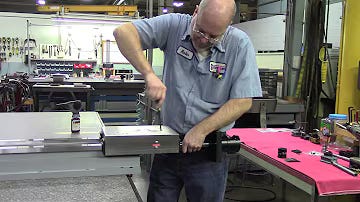
Slide dovetails use an interlocking geometric design that allows one component to move along another while restricting unwanted movement. Dovetail rails and slides are commonly used in machine tools, positioning assemblies, industrial fixtures, and specialized equipment where stable linear motion is required.
These components are valued for their rigidity, dependable guidance, and potential for adjustment and maintenance. Their performance depends on design accuracy, material selection, surface finish, lubrication, and operating conditions. Understanding their features and applications helps manufacturers select suitable components for their specific requirements.
2. Understanding Slide Dovetails
A slide dovetail is a mechanical guide that uses angled, interlocking surfaces to support controlled sliding movement. The design helps maintain the relationship between moving components and resists separation in directions restricted by the dovetail geometry.
Key Features of Slide Dovetails
-
Guided movement: Provides a defined path for moving machine components.
-
Mechanical retention: The interlocking profile helps keep mating components engaged.
-
Structural rigidity: Supports stable positioning when the design and fit are appropriate.
-
Controlled alignment: Helps maintain the intended position of moving assemblies.
-
Adjustable clearance: Certain designs allow adjustment to compensate for wear or manage movement.
-
Durable construction: Suitable materials and maintenance practices help extend service life.
Slide dovetails are particularly useful in applications where reliable movement and mechanical stability are more important than achieving movement through a rolling-element guide system.
3. Understanding Dovetail Rails and Slides
Dovetail rails and slides are mechanical guiding components designed to provide controlled linear travel. A dovetail rail features an angled profile that engages with a matching slide, creating a guided connection between the components.
Main Components and Their Functions
-
Dovetail rail: Provides the fixed guiding surface along which the slide travels.
-
Sliding carriage: Moves along the rail and supports the connected component.
-
Contact surfaces: Maintain the mechanical relationship between the rail and slide.
-
Adjustment mechanism: Where provided, helps regulate clearance and compensate for wear.
-
Lubrication points: Support smooth movement and help reduce friction.
-
Mounting surfaces: Secure the assembly to the machine structure and help maintain alignment.
The dimensions, geometry, and fit of these components must be appropriate for the intended application to ensure dependable performance.
4. Applications of Slide Dovetails
Slide dovetails are used in a variety of industrial environments where controlled mechanical movement is necessary.
Common Applications
-
Machine tools: Guide tables, tool supports, and other movable assemblies.
-
Milling machines: Support controlled movement and positioning during machining operations.
-
Industrial fixtures: Help guide adjustable components and support repeatable positioning.
-
Precision equipment: Provide mechanical guidance for specialized positioning systems.
-
Manufacturing machinery: Support controlled movement in selected production equipment.
-
Repair and refurbishment projects: May be repaired or reconditioned when wear affects movement and alignment.
The suitability of a dovetail slide depends on the expected load, travel distance, operating speed, required accuracy, and environmental conditions.
5. Applications of Dovetail Rails and Slides
Dovetail rails and slides are useful wherever a machine requires a guided sliding arrangement with a mechanically retained profile.
Major Industrial Uses
-
CNC machine assemblies: Support the positioning of selected machine components.
-
Tool positioning systems: Provide controlled adjustment for tooling and supporting mechanisms.
-
Inspection equipment: Help guide components that require repeatable mechanical positioning.
-
Industrial automation: Can be incorporated into specialized assemblies that use manual or powered linear movement.
-
Custom machinery: Support application-specific mechanisms developed for particular manufacturing tasks.
-
Equipment maintenance: Replacement or reconditioning may help restore the movement of worn assemblies.
Proper engineering assessment is important when using dovetail systems in equipment that requires high positioning accuracy or carries substantial loads.
6. Benefits of Slide Dovetail Systems
Slide dovetails offer several practical benefits when correctly designed, manufactured, installed, and maintained.
Important Advantages
-
Stable guidance: The interlocking profile helps restrict unwanted movement.
-
Mechanical strength: Suitable designs can support substantial loads within their specified limits.
-
Alignment control: Accurate mating surfaces help maintain the intended travel path.
-
Adjustability: Certain assemblies allow clearance adjustments as operating conditions change.
-
Serviceability: Depending on the design, components may be inspected, adjusted, repaired, or reconditioned.
-
Long-term usability: Appropriate lubrication and maintenance can reduce premature wear.
These advantages make dovetail systems suitable for many traditional machine tools and specialized industrial mechanisms.
7. Benefits of Dovetail Rails and Slides
Dovetail rails and slides can support dependable machine operation by combining guided movement with a mechanically engaged profile.
Performance Benefits
-
Controlled linear travel: Helps guide movement along a defined path.
-
Resistance to lateral movement: Properly fitted surfaces help maintain stability under suitable loading conditions.
-
Compact mechanical design: The angled profile can provide guidance and retention within a relatively compact arrangement.
-
Consistent positioning: Accurate manufacturing and correct adjustment support repeatable movement.
-
Maintenance flexibility: Some designs allow wear compensation and surface reconditioning.
-
Application versatility: Dovetail arrangements can be adapted to different machine designs and operating requirements.
Actual performance depends on the design, materials, contact geometry, lubrication, and condition of the mating surfaces.
8. Materials Used in Dovetail Rails and Slides
Material selection affects durability, wear resistance, stiffness, and the overall performance of a dovetail assembly.
Common Material Considerations
-
Cast iron: Often used in machine tool structures because of its dimensional stability and vibration-damping characteristics.
-
Steel: May be selected where strength, durability, and particular manufacturing requirements are important.
-
Hardened surfaces: Suitable hardening processes can improve wear resistance in applications that require them.
-
Protective finishes: Depending on the material and environment, appropriate surface treatments may help reduce corrosion.
-
Compatible mating materials: Selecting suitable material combinations can help manage friction and wear.
The final material choice should reflect the operating load, required accuracy, environmental exposure, and maintenance expectations.
9. Manufacturing and Precision Requirements
The performance of slide dovetails and dovetail rails depends on accurate manufacturing and correct fitting.
Important Manufacturing Factors
-
Dovetail angle: The profile must match the mating component to provide the intended engagement.
-
Dimensional accuracy: Correct dimensions help maintain the required clearance and alignment.
-
Straightness: A properly manufactured guide helps prevent unwanted variation during travel.
-
Surface finish: Smooth, suitable contact surfaces support predictable movement and lubrication.
-
Parallelism: Correct relationships between mounting and sliding surfaces help reduce alignment problems.
-
Contact distribution: Appropriate fitting helps distribute loads across the intended contact areas.
Poor manufacturing accuracy can result in binding, excessive clearance, uneven wear, or reduced positioning precision.
10. Common Problems Affecting Dovetail Rails and Slides
Over time, dovetail components may develop wear or mechanical problems that affect their performance.
Frequent Issues
-
Excessive clearance: Wear or incorrect adjustment can cause unwanted movement.
-
Binding: Insufficient clearance, contamination, or misalignment may restrict sliding.
-
Uneven wear: Improper loading or poor alignment can create localized wear.
-
Surface scoring: Metal particles, dirt, or inadequate lubrication can damage contact surfaces.
-
Corrosion: Moisture and unsuitable environmental conditions may deteriorate exposed surfaces.
-
Reduced accuracy: Changes in geometry or fit may affect repeatable positioning.
Identifying these issues early helps prevent additional damage and supports effective maintenance planning.
11. Maintenance of Slide Dovetails
Regular maintenance helps preserve smooth movement, alignment, and component life.
Recommended Maintenance Steps
-
Inspect the sliding surfaces: Check for wear, scratches, corrosion, and visible damage.
-
Clean the components: Remove metal chips, dust, and other contaminants.
-
Check lubrication: Apply the recommended lubricant according to the machine manufacturer’s instructions.
-
Assess the clearance: Verify that the slide moves without excessive looseness or binding.
-
Check alignment: Inspect the guide and mounting arrangement for misalignment.
-
Monitor movement: Look for sticking, irregular travel, or changes in positioning accuracy.
-
Arrange professional servicing: Seek technical assessment if wear or damage cannot be corrected through routine maintenance.
Maintenance procedures should follow the equipment manufacturer’s specifications to avoid damaging precision surfaces.
12. Repair and Reconditioning of Dovetail Rails and Slides
Repair and reconditioning may be appropriate when dovetail components show wear but remain suitable for restoration.
Typical Repair Considerations
-
Condition assessment: Determine the extent of wear, damage, and dimensional variation.
-
Surface restoration: Depending on the design, professional machining or regrinding may restore suitable surface geometry.
-
Fit correction: The mating components may require careful adjustment to achieve the required clearance.
-
Alignment verification: Confirm that the restored guide maintains the intended travel path.
-
Lubrication system inspection: Check whether lubricant reaches the necessary contact surfaces.
-
Performance testing: Verify smooth movement and suitable positioning after the repair.
Not every damaged component can be economically reconditioned. Replacement may be more appropriate when structural damage is severe or the required accuracy cannot be restored reliably.
13. Factors to Consider When Selecting Dovetail Rails and Slides
Choosing a suitable dovetail system requires an understanding of the machine’s operating requirements.
Selection Checklist
-
Load capacity: Determine the static and dynamic loads the assembly must support.
-
Travel length: Confirm the required linear movement and available installation space.
-
Accuracy requirements: Establish the necessary positioning precision and repeatability.
-
Operating environment: Consider dust, moisture, temperature, and contamination.
-
Movement frequency: Evaluate how often the slide will move and the expected duty cycle.
-
Material and wear resistance: Select components appropriate for the operating conditions.
-
Maintenance access: Consider lubrication, inspection, adjustment, and repair requirements.
-
Machine compatibility: Verify mounting dimensions and the geometry of mating components.
Evaluating these factors helps reduce compatibility issues and supports dependable machine operation.
14. Gilman Precision and Precision Engineering Solutions
Gilman Precision is a relevant name for manufacturers researching precision engineering and industrial machine component requirements. When considering slide dovetails or dovetail rails and slides, businesses should verify the specific products, engineering capabilities, and services available for their applications.
Important Considerations for Industrial Buyers
-
Technical specifications: Confirm dimensions, tolerances, load requirements, and component compatibility.
-
Application suitability: Ensure that the selected guide matches the machine’s operating conditions.
-
Manufacturing quality: Review the precision requirements for the rail, slide, and mounting surfaces.
-
Maintenance planning: Establish appropriate inspection, lubrication, and wear-monitoring procedures.
-
Repair options: Determine whether worn components can be reconditioned or require replacement.
-
Long-term performance: Consider reliability, serviceability, and the total cost of ownership.
A careful evaluation of these factors helps manufacturers identify appropriate solutions for their equipment. Specific product availability and service capabilities should be confirmed directly with Gilman Precision.
15. Conclusion
Slide dovetails and dovetail rails and slides are valuable mechanical components used to guide linear movement, maintain alignment, and support stable positioning in industrial machinery. Their interlocking geometry provides mechanical retention and can deliver reliable performance when the components are correctly designed, manufactured, installed, and maintained.
Material selection, dimensional accuracy, surface finish, lubrication, and proper adjustment all influence the performance and service life of a dovetail assembly. Routine inspection and timely repair can help control wear, maintain smooth movement, and reduce unnecessary machine downtime. For more visit us!
- Technology for Students
- Admissions & Applications
- Online Courses
- Career and Jobs
- Campus Life
- Drinks
- Film
- Fitness
- Food
- Игры
- Gardening
- Health
- Главная
- Literature
- Music
- Networking For Students
- Insights
- Party
- Religion
- Shopping
- Sports
- Theater
- Wellness
- Education News
- Business & Finance For Students
- Security, Law & Crime Education
- Insurance
- Science & Technology For Students
 Russian
 English
 Arabic
 French
 Spanish
 Portuguese
 Deutsch
 Turkish
 Dutch
Dutch
 Italiano
 Romaian
 Portuguese (Brazil)
 Greek
Greek