


Accufine 10 mg: 10 Important Things to Know About Isotretinoin
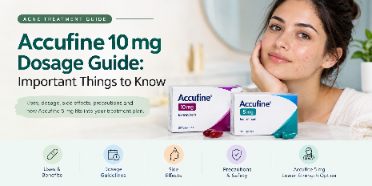
Acne is a common skin concern that can affect people of different ages. While mild acne may improve with a suitable skincare routine and topical treatments, severe or persistent acne sometimes requires prescription medication. Accufine 10 mg is a brand of isotretinoin, a medicine used under medical supervision to treat certain severe forms of acne.
Before starting isotretinoin treatment, it is important to understand how the medicine works, its possible side effects, precautions, and the importance of medical monitoring. This guide covers 10 important things to know about Accufine 10 mg and explains how it differs from Accufine 5 mg, a lower dosage medicine.
1. What Is Accufine 10 mg?
Accufine 10 mg contains isotretinoin, a retinoid related to vitamin A. It is prescribed by healthcare professionals for certain types of severe acne, particularly acne that has not responded adequately to other treatments.
Isotretinoin works differently from many topical acne products. Rather than simply treating individual pimples, it targets several underlying factors involved in acne development.
Because isotretinoin can cause serious side effects, it should only be used with an appropriate prescription and medical supervision. It is not suitable for everyone, and a dermatologist should determine whether this treatment is appropriate for an individual's skin condition.
2. How Does Accufine 10 mg Work for Acne?
One of the main reasons isotretinoin is used for severe acne is its effect on the skin's oil-producing glands.
Accufine 10 mg may help by:
-
Reducing sebum production in the skin.
-
Helping reduce clogged pores associated with acne.
-
Making the skin less favourable for acne-causing bacteria.
-
Reducing inflammation associated with acne lesions.
By addressing multiple acne-related factors, isotretinoin can help improve severe acne in suitable patients. However, results vary depending on the individual's condition, prescribed treatment plan, and response to the medicine.
3. Who May Need Accufine 10 mg?
Accufine 10 mg may be prescribed for certain patients with severe, persistent, or scarring acne when other treatments have not worked sufficiently or are not appropriate.
A dermatologist may consider isotretinoin for acne that includes:
-
Deep, painful inflammatory lesions.
-
Persistent acne that does not respond to standard treatments.
-
Acne that may lead to permanent scarring.
-
Severe acne affecting confidence and quality of life.
Not everyone with acne needs isotretinoin. Mild acne is often managed with other treatments, such as topical retinoids, benzoyl peroxide, or other clinician-recommended therapies.
4. Accufine 10 mg Dosage: What Should You Know?
The correct isotretinoin dosage depends on several factors, including body weight, acne severity, treatment response, and tolerance of side effects.
Accufine 10 mg should be taken only according to the prescribing healthcare professional's instructions. The strength of the capsule does not automatically determine the right dose or how frequently it should be taken.
Patients should not increase, reduce, or stop their prescribed dose without consulting their healthcare professional. They should also follow the product-specific instructions about taking the medicine with food.
Regular follow-up appointments allow the prescriber to assess treatment progress and adjust the plan when necessary.
5. Accufine 10 mg vs Accufine 5 mg: What Is the Difference?
Accufine 10 mg and Accufine 5 mg contain isotretinoin in different strengths. The main difference is the amount of active ingredient in each capsule.
Accufine 5 mg is a lower dosage medicine compared with Accufine 10 mg. A lower strength may be considered by a healthcare professional when an individual treatment plan calls for a smaller amount of isotretinoin.
However, a lower strength does not automatically mean that a medicine is safer for every person or that it will produce fewer side effects. Both strengths can cause significant adverse effects and require appropriate medical supervision.
The choice between Accufine 5 mg and Accufine 10 mg should depend on the patient's medical needs and the prescriber's assessment, not simply on the severity of visible pimples or personal preference.
Patients should never switch strengths or combine capsules to change their dose without professional advice.
6. Common Accufine 10 mg Side Effects
Isotretinoin can cause side effects because it significantly reduces oil production in the skin and affects other tissues.
Common side effects may include:
-
Dry lips and chapped skin.
-
Dry eyes or discomfort when wearing contact lenses.
-
Dryness inside the nose, sometimes causing nosebleeds.
-
Increased sensitivity to sunlight.
-
Muscle or joint discomfort.
-
Temporary changes in skin irritation.
Simple supportive measures, such as using a gentle moisturiser, applying lip balm, and using broad-spectrum sunscreen, may help manage some dryness and irritation.
Contact a healthcare professional if side effects become severe or persistent. Seek urgent medical attention for serious symptoms, including severe headache with vision changes, significant abdominal pain, severe skin reactions, or changes in mood that raise concerns about safety.
7. Important Pregnancy Warnings
Isotretinoin can cause severe birth defects and must not be used during pregnancy. Exposure during pregnancy can also lead to pregnancy loss.
Anyone who can become pregnant must follow the pregnancy-prevention requirements applicable in their country and the prescriber's instructions. These may include pregnancy testing before, during, and after treatment, along with effective contraception for the required period.
Patients should not start isotretinoin if they are pregnant or planning a pregnancy. If pregnancy occurs or is suspected during treatment, stop taking the medicine and contact the prescribing healthcare professional immediately for urgent guidance.
Isotretinoin should also not be shared with anyone else.
8. Precautions Before Taking Accufine 10 mg
Before starting treatment, tell your healthcare professional about your medical history and all medicines or supplements you use.
Important precautions include:
-
Vitamin A supplements: Avoid taking additional vitamin A unless specifically directed by your clinician.
-
Certain antibiotics: Tetracycline antibiotics can interact with isotretinoin and increase the risk of raised pressure inside the skull.
-
Liver health: Your prescriber may recommend liver function tests.
-
Cholesterol and triglycerides: Blood tests may be needed to monitor lipid levels.
-
Skin procedures: Discuss waxing, laser treatments, dermabrasion, and other procedures with your dermatologist because isotretinoin can affect skin healing and irritation.
Do not donate blood while taking isotretinoin and for the period specified in the official product guidance after treatment.
9. How Long Does Accufine 10 mg Take to Work?
Acne improvement does not usually happen overnight. Some patients may notice changes within the first several weeks, while more noticeable improvement can take longer.
In some cases, acne may temporarily worsen during the early stages of treatment. This does not necessarily mean the medicine is ineffective, but a significant flare should be discussed with the prescribing dermatologist.
The total treatment duration varies according to the prescribed regimen and individual response. Patients should attend follow-up appointments and avoid changing the dose based on short-term results.
Consistent medical supervision is important for evaluating progress and managing side effects throughout treatment.
10. Skincare Tips While Taking Accufine 10 mg
A gentle skincare routine can help reduce discomfort caused by isotretinoin-related dryness.
Consider the following habits:
-
Use a mild, fragrance-free cleanser.
-
Apply a moisturiser suitable for dry or sensitive skin.
-
Use lip balm regularly to manage chapped lips.
-
Apply broad-spectrum sunscreen with SPF 30 or higher.
-
Avoid harsh exfoliants and irritating acne products unless approved by your dermatologist.
-
Drink enough water to maintain normal hydration.
-
Follow medical advice about exercise if muscle or joint pain develops.
Avoid adding new active skincare ingredients without checking whether they are suitable during isotretinoin treatment. If your eyes become dry, ask your healthcare professional about suitable lubricating eye drops.
Frequently Asked Questions About Accufine 10 mg
Is Accufine 10 mg used for acne?
Accufine 10 mg contains isotretinoin, which may be prescribed for certain severe or persistent forms of acne under medical supervision.
Is Accufine 5 mg a lower dosage medicine?
Yes. Accufine 5 mg contains less isotretinoin per capsule than Accufine 10 mg. The appropriate strength depends on the individual's treatment plan.
Can Accufine 10 mg cause dry lips?
Yes. Dry lips are a common side effect of isotretinoin. Regular use of a suitable lip balm may help manage the dryness.
Can I take Accufine 10 mg without a prescription?
No. Isotretinoin requires medical assessment, appropriate monitoring, and strict pregnancy-related precautions. It should not be self-prescribed.
Should I stop taking Accufine 10 mg when my acne improves?
Do not change or discontinue the prescribed treatment plan without consulting your healthcare professional.
Conclusion
Accufine 10 mg is an isotretinoin medicine that may help manage certain severe or persistent forms of acne when prescribed appropriately. Understanding its uses, dosage considerations, side effects, pregnancy risks, and skincare precautions can help patients make informed decisions with their healthcare professionals.
Accufine 5 mg is a lower dosage medicine, but the appropriate strength depends on individual needs and medical advice. Both strengths require responsible use and professional supervision.
- Technology for Students
- Admissions & Applications
- Online Courses
- Career and Jobs
- Campus Life
- Drinks
- Film
- Fitness
- Food
- الألعاب
- Gardening
- Health
- الرئيسية
- Literature
- Music
- Networking For Students
- Insights
- Party
- Religion
- Shopping
- Sports
- Theater
- Wellness
- Education News
- Business & Finance For Students
- Security, Law & Crime Education
- Insurance
- Science & Technology For Students
 Arabic
 English
 French
 Spanish
 Portuguese
 Deutsch
 Turkish
 Dutch
Dutch
 Italiano
 Russian
 Romaian
 Portuguese (Brazil)
 Greek
Greek