


How Can Qixiang Brass Angled Radiator Valves Shape Heating Design
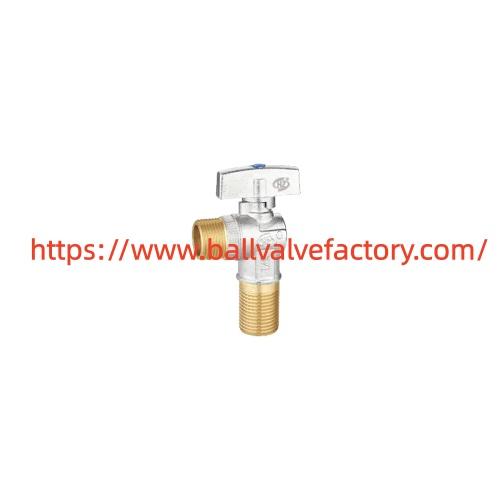
Brass Angled Radiator Valves can influence how a heating system is arranged, connected, and maintained. For homeowners, contractors, property developers, and equipment distributors, choosing suitable components involves more than checking appearance. Connection direction, available installation space, material properties, temperature requirements, and maintenance access all contribute to a practical heating layout. Careful planning helps coordinate individual components with the wider system and supports consistent operation across different rooms and building types.
Heating design begins with understanding how water moves through the pipe network. Each connection must suit the intended route, whether pipes emerge from a wall, rise from the floor, or run alongside a heating unit. When the connection direction matches the pipe arrangement, installers can reduce unnecessary bends and organize the surrounding space more efficiently. This consideration is particularly useful in apartments, renovated houses, hotels, and commercial buildings where concealed pipework or limited clearance can affect installation decisions.
Material selection is another important consideration. Copper based alloys are commonly used in plumbing and heating components because they can offer useful mechanical properties, machinability, and resistance to corrosion under appropriate operating conditions. However, the actual performance of any component depends on its composition, manufacturing process, surface treatment, sealing materials, and intended application. Buyers should review technical documentation rather than assuming that every product made from a similar material will behave identically.
Connection compatibility deserves equal attention. Before ordering components, procurement teams should confirm thread specifications, nominal dimensions, connection standards, and the requirements of the pipes already installed. A mismatch may lead to additional adapters, installation delays, or difficulties during maintenance. Contractors should also consider the tools and working clearance available at the installation point. Clear specifications shared with the manufacturer can reduce misunderstandings and make it easier to coordinate purchasing with the project schedule.
Temperature regulation is closely related to the overall arrangement. In a hydronic heating system, heated water circulates through connected equipment to provide warmth in occupied spaces. Depending on the system design, manual controls or thermostatic mechanisms can help adjust water flow according to operating needs. Thermostatic options may respond to changes in room temperature, allowing individual spaces to be managed according to their intended use. Bedrooms, meeting rooms, corridors, and reception areas may have different heating requirements, so the selected control method should reflect the building layout and operating preferences.
Another factor worth considering is maintenance access. Components installed behind furniture, inside cabinets, or close to walls can be difficult to inspect if the surrounding layout has not been planned carefully. Installers should leave sufficient room to operate handles, inspect connections, and carry out routine servicing. Accessible placement can simplify troubleshooting and reduce the amount of disruption required when a component needs attention. For renovation projects, checking existing pipe positions before purchasing replacement parts is especially helpful because older buildings may contain nonstandard arrangements.
Product consistency also matters when purchasing for multiple properties or large construction projects. Distributors and contractors often need repeatable specifications across different orders, along with clear packaging information and dependable communication about production schedules. Buyers can ask manufacturers about available dimensions, connection configurations, material options, inspection procedures, and customization possibilities. Samples or technical drawings may also help project teams verify suitability before committing to a larger order. These checks create a clearer basis for comparing suppliers without relying on broad promotional claims.
For manufacturers, understanding the practical concerns of installers and purchasing teams helps guide product development. Feedback about connection orientation, handling, installation space, and servicing can inform design decisions and improve communication between production and customers. A manufacturer that provides clear specifications and discusses application requirements can help buyers make more informed decisions for their particular projects.
When planning a new heating installation or upgrading an existing property, buyers should evaluate the entire connection arrangement rather than selecting components in isolation. Material suitability, dimensions, operating conditions, ease of installation, and long term maintenance all deserve consideration. Qixiang provides a range of plumbing and heating products for different application requirements, with product options and customization support available for project discussions. Contractors, importers, and distributors can review the available range at https://www.ballvalvefactory.com/product/ to compare suitable configurations and discuss their requirements with the manufacturer before placing an order.
- Technology for Students
- Admissions & Applications
- Online Courses
- Career and Jobs
- Campus Life
- Drinks
- Film
- Fitness
- Food
- Spellen
- Gardening
- Health
- Home
- Literature
- Music
- Networking For Students
- Insights
- Party
- Religion
- Shopping
- Sports
- Theater
- Wellness
- Education News
- Business & Finance For Students
- Security, Law & Crime Education
- Insurance
- Science & Technology For Students
 Dutch
Dutch
 English
 Arabic
 French
 Spanish
 Portuguese
 Deutsch
 Turkish
 Italiano
 Russian
 Romaian
 Portuguese (Brazil)
 Greek
Greek