


Material Selection and Design Ideas for Decorative Window Films
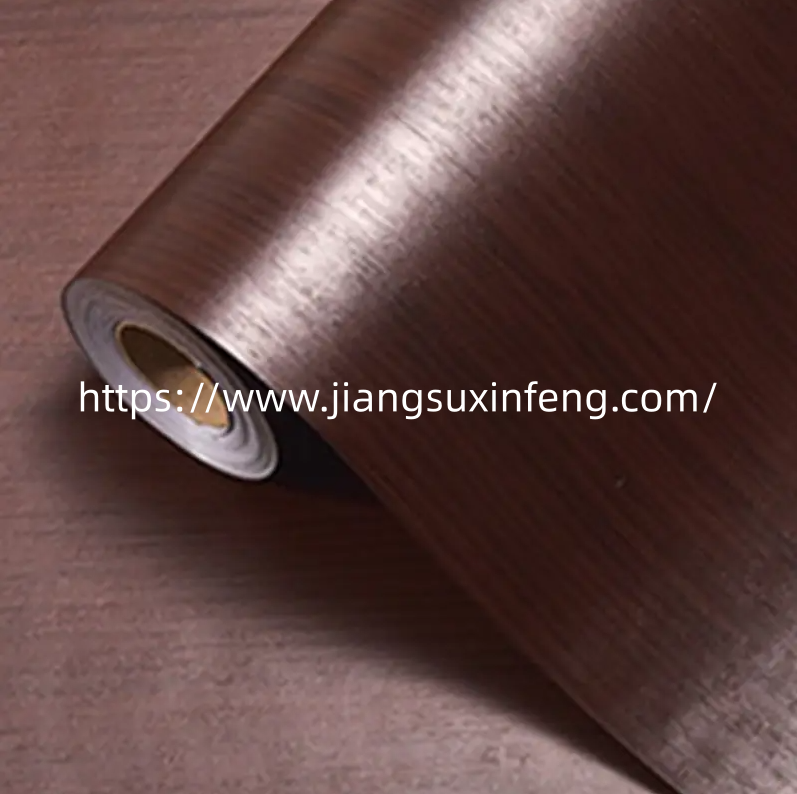
Glass helps interiors feel open by allowing natural light to pass between rooms and into shared spaces, but transparent surfaces can also create privacy challenges. When choosing Frosted Window Film, buyers need to consider material construction, glass compatibility, light diffusion, installation requirements, and the visual effect they want to achieve. These factors influence whether a film is suitable for residential windows, office partitions, meeting rooms, or decorative glass doors.
Material composition affects the film's flexibility, surface appearance, and handling characteristics. Decorative window films may use PVC, polyester, or other polymer materials, depending on the product's intended application. The base material provides the structure, while surface treatments create the translucent appearance associated with frosted glass. Some products use a uniform matte finish, whereas others incorporate textures or printed patterns. Buyers should confirm the material construction and intended glass application rather than assuming that all frosted films behave alike.
The adhesive system is another important material consideration. Pressure-sensitive adhesive films are designed to bond to compatible glass surfaces, while static-cling products rely on surface contact rather than a conventional adhesive layer. These approaches offer different installation and removal experiences. The right choice depends on whether the film is intended for a long-term interior installation, a temporary privacy solution, or a decorative application that may be changed later. Storage, handling, and surface preparation also influence how easily a film can be applied.
Purchasing decisions should begin with the purpose of the installation. A bathroom window may require consistent visual screening, while an office meeting room may need privacy without making the space feel enclosed. Retail environments might prioritize decorative patterns that complement branding, and residential glass doors may benefit from a simple, understated finish. Buyers should consider the location, the amount of natural light available, the viewing angles, and whether privacy is needed throughout the day and evening.
Glass compatibility deserves particular attention before an order is placed. The film must be appropriate for the glass surface and the intended installation side. Buyers should confirm the supplier's recommendations for the glass type, existing coatings, and environmental conditions. For certain glazing systems, film selection can affect thermal behavior, so compatibility guidance from the film supplier or glazing professional is important. Reviewing samples on representative glass can help buyers evaluate the visual result before proceeding with a larger project.
The central function of frosted film is to diffuse light and reduce the clarity of views through glass. Its translucent surface scatters incoming light, making objects and details less distinct while allowing some daylight to enter the space. The degree of visual screening varies according to the material, pattern, coverage, and lighting conditions. Frosted film should not automatically be treated as complete privacy protection, because silhouettes may remain visible under some circumstances. Buyers should assess the level of screening required for the specific setting.
Installation technology influences both appearance and practical performance. The glass usually needs to be cleaned thoroughly so that dust, grease, and other contaminants do not become trapped beneath the film. Depending on the product, application may involve carefully positioning the material, smoothing it against the glass, and removing air or moisture according to the manufacturer's instructions. Accurate cutting and alignment are especially important around door edges, handles, frames, and other architectural features. Professional installation may be appropriate for complex glazing or large commercial projects.
Everyday usability depends on how the film behaves after installation. A properly selected surface can provide a more comfortable sense of separation without requiring a permanent change to the glass itself. Maintenance is generally straightforward when the film is compatible with routine cleaning, but abrasive tools and unsuitable chemicals may damage certain finishes. Users should follow product-specific care instructions and avoid aggressive cleaning near film edges. For workplaces and public interiors, easy maintenance can be an important part of long-term facility planning.
Design offers additional possibilities beyond a plain translucent surface. Frosted finishes can create a clean architectural appearance, while stripes, geometric forms, botanical patterns, and custom graphics introduce visual identity. Partial coverage can preserve clear viewing areas while screening selected sections of glass. In offices, patterned bands may help define meeting spaces and make transparent partitions more visually noticeable. In homes, subtle textures can complement contemporary interiors without overwhelming furniture, wall colors, or other decorative elements.
Color and texture should be considered alongside the surrounding environment. A simple white frost can create a neutral appearance, while patterned or tinted options may become a more prominent design feature. The effect changes with daylight, interior lighting, and the colors visible on the opposite side of the glass. Coordinating the film with frames, flooring, furniture, and wall finishes helps maintain a consistent design language. Testing a sample in the actual space gives a more reliable impression than viewing a small image on a screen.
Jiangsu Xinfeng Star Film Materials Co., Ltd. specializes in decorative film materials, including PVC calendered films, thermofoil decorative films, self-adhesive films, and release liners. Its manufacturing experience in film processing, printing, and lamination provides relevant background for buyers exploring decorative surface solutions. Businesses planning glass-related or interior decoration projects can discuss material requirements, preferred finishes, application conditions, and customization needs with the company to identify suitable options. Further information about its products and services is available at https://www.jiangsuxinfeng.com/.
- Technology for Students
- Admissions & Applications
- Online Courses
- Career and Jobs
- Campus Life
- Drinks
- Film
- Fitness
- Food
- Παιχνίδια
- Gardening
- Health
- Κεντρική Σελίδα
- Literature
- Music
- Networking For Students
- Insights
- Party
- Religion
- Shopping
- Sports
- Theater
- Wellness
- Education News
- Business & Finance For Students
- Security, Law & Crime Education
- Insurance
- Science & Technology For Students
 Greek
Greek
 English
 Arabic
 French
 Spanish
 Portuguese
 Deutsch
 Turkish
 Dutch
Dutch
 Italiano
 Russian
 Romaian
 Portuguese (Brazil)