


How Super Sucker Machines Improve Sewer Cleaning Efficiency
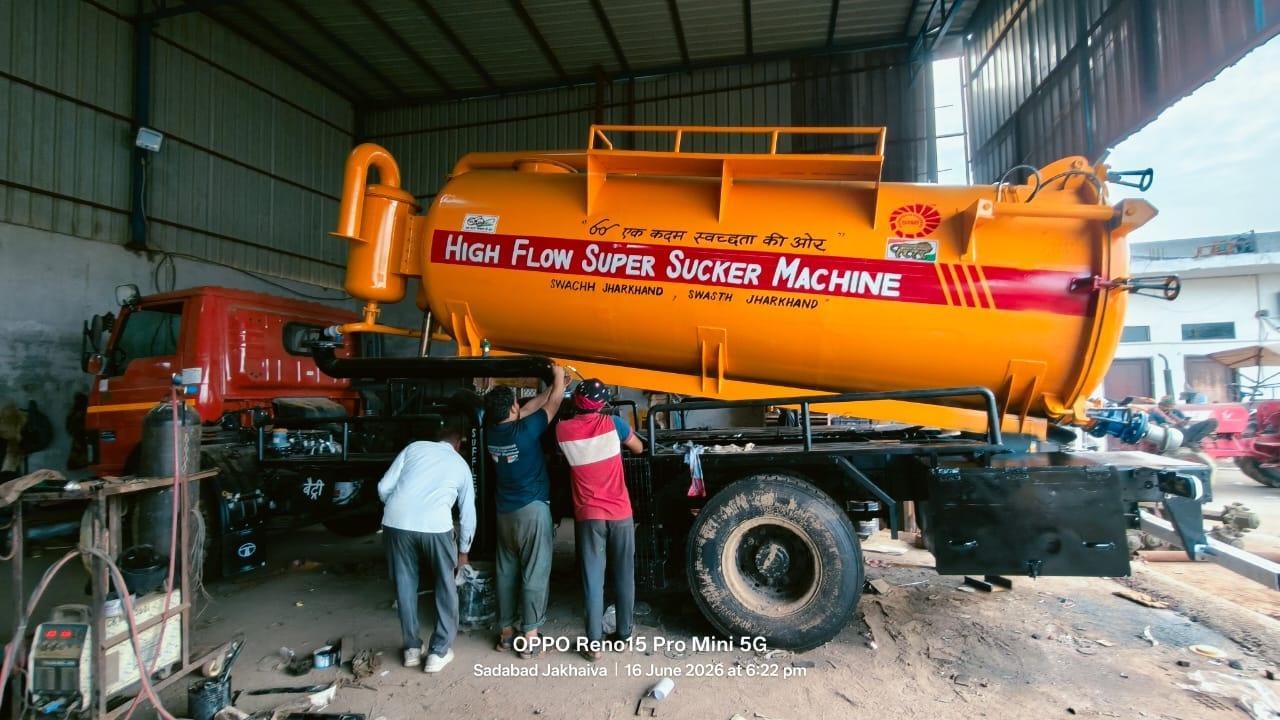
Sewer cleaning is an essential part of maintaining urban sanitation, preventing drainage blockages, and protecting public health. Municipal authorities, industrial facilities, and sanitation contractors need reliable equipment to remove sludge, wastewater, mud, and other accumulated waste from sewer lines, drains, and septic systems. Traditional sewer cleaning methods often require significant manual effort, take more time, and expose workers to hazardous conditions.
Super sucker machines offer an effective solution by combining powerful vacuum suction with high-capacity waste collection. These machines are designed to remove large volumes of liquid waste, sludge, and semi-solid materials efficiently. By reducing manual intervention and improving waste removal speed, super sucker machines help make sewer cleaning operations safer, faster, and more productive.
What Is a Super Sucker Machine?
A super sucker machine is specialized sewer cleaning equipment that uses a powerful vacuum system to extract sludge, sewage, wastewater, and other waste materials from underground drainage systems, septic tanks, manholes, and industrial waste collection points.
The machine generally consists of a vacuum pump or blower, a waste collection tank, suction hoses, control systems, and a vehicle-mounted or trailer-mounted chassis. Depending on the model, it may also include hydraulic systems, tank discharge mechanisms, and additional cleaning equipment.
Super sucker machines are widely used by municipal corporations, sanitation departments, industrial plants, construction companies, and professional sewer cleaning contractors.
1. Faster Removal of Sludge and Wastewater
One of the main advantages of a super sucker machine is its ability to remove accumulated sludge and wastewater quickly. Manual cleaning methods can be slow, particularly when dealing with deep manholes, heavily blocked drains, or large septic tanks.
A high-capacity vacuum system draws waste through suction hoses and transfers it into the collection tank. This reduces the time needed to complete individual cleaning tasks and allows operators to handle more work during a shift.
Faster waste removal is particularly useful in municipal sewer maintenance, emergency drainage operations, and industrial cleaning projects where delays can affect surrounding areas.
2. Reduced Manual Labour
Traditional sewer cleaning may involve considerable physical effort to remove sludge, debris, and wastewater. These tasks can require multiple workers and specialized tools, increasing operational costs and extending project timelines.
Super sucker machines automate much of the waste extraction process. Operators can position the suction hose at the required location and control the vacuum system to collect waste with less direct handling.
This reduces dependence on manual cleaning, helps sanitation teams use their workforce more efficiently, and allows workers to focus on equipment operation, site supervision, and other essential maintenance activities.
3. Improved Worker Safety
Sewer cleaning can expose workers to toxic gases, biological contaminants, contaminated wastewater, and confined-space hazards. Direct contact with sewage can also increase the risk of infections and other occupational health problems.
Super sucker machines help reduce these risks by allowing waste to be extracted remotely through hoses and transferred into an enclosed collection tank.
However, mechanized equipment does not eliminate every hazard. Workers must still follow confined-space entry procedures, gas monitoring requirements, appropriate personal protective equipment guidelines, and established sanitation safety protocols.
By minimizing direct contact with sewage and sludge, super sucker machines support safer and more controlled cleaning operations.
4. Efficient Cleaning of Deep Drains and Manholes
Underground drainage systems often contain accumulated sediment, thick sludge, and wastewater that are difficult to remove using conventional tools. Access may also be limited in narrow streets, industrial premises, and congested urban areas.
Super sucker machines use flexible suction hoses to reach waste collection points that are difficult to access directly. Depending on the machine's vacuum capacity, hose configuration, and operating conditions, they can extract waste from deep manholes, drainage pits, septic tanks, and other underground structures.
This capability helps maintenance teams clean difficult locations without relying entirely on manual excavation or direct waste handling.
5. Better Productivity for Municipal Cleaning Operations
Municipal corporations are responsible for maintaining drainage networks, public sanitation infrastructure, and wastewater collection systems across large service areas. Efficient equipment is necessary to manage routine maintenance and respond to urgent cleaning requirements.
Super sucker machines help municipal teams complete more cleaning tasks by reducing extraction time and streamlining waste collection. A single machine can service multiple suitable locations during a working shift, depending on travel distance, waste volume, disposal arrangements, and operating conditions.
Improved productivity can help municipalities organize maintenance schedules, reduce service delays, and allocate equipment more effectively.
6. Effective Handling of Different Types of Waste
Sewer systems contain different materials, including liquid sewage, wet sludge, muddy water, and suspended solids. Industrial sites may also generate process residues that require specialized removal.
Super sucker machines are designed to handle suitable liquid and semi-solid waste, depending on their pump design, hose diameter, vacuum performance, and tank configuration.
They can be useful for cleaning septic tanks, sewer manholes, drainage sumps, sludge collection pits, and selected industrial waste storage areas.
Operators should confirm that the machine is suitable for the waste material being collected. Large debris, abrasive substances, corrosive chemicals, and unusually thick sludge may require specific equipment or additional preparation.
7. Reduced Operational Delays and Cleaning Costs
Sewer cleaning costs depend on labour, equipment utilization, fuel consumption, transportation, waste disposal, and maintenance requirements. Traditional cleaning methods may require additional workers and more time to complete difficult jobs.
By improving waste extraction speed and reducing manual handling, super sucker machines can help lower labour requirements and improve overall operational efficiency.
Mechanized cleaning can also reduce delays associated with difficult-to-access drainage locations. However, actual cost savings depend on machine capacity, purchase or rental costs, fuel consumption, maintenance, and the frequency of use.
For sanitation contractors and municipal departments, choosing a machine that matches their workload can improve long-term value and equipment utilization.
8. Faster Response to Emergency Drainage Problems
Blocked drains, overflowing manholes, and wastewater accumulation can create serious sanitation problems. Delayed cleaning may disrupt traffic, affect nearby businesses, and increase the risk of contamination.
Super sucker machines provide a practical option for removing accumulated wastewater and sludge during suitable emergency operations. Their high-capacity collection systems can help crews clear affected locations more efficiently and restore drainage maintenance operations.
For best results, the machine should be selected according to the type of blockage, depth of the affected area, waste volume, and site accessibility. Some blockages may also require high-pressure jetting equipment to dislodge solid deposits before vacuum extraction.
9. Support for Industrial and Commercial Applications
Super sucker machines are useful beyond municipal sewer cleaning. Industrial facilities, commercial complexes, manufacturing plants, and construction sites may need to remove accumulated sludge and wastewater from pits, tanks, and drainage systems.
Using vacuum-based extraction can help maintain cleaner working areas, reduce waste handling time, and support regular maintenance schedules.
Industries must ensure that collected waste is compatible with the machine and that hazardous or regulated materials are handled according to applicable environmental and safety requirements.
10. Choosing the Right Super Sucker Machine
Selecting the right machine is essential for achieving better cleaning efficiency. Buyers should evaluate several technical and operational factors before making a decision.
Vacuum capacity: Choose a vacuum system suited to the depth, material, and volume of waste being collected.
Tank capacity: A suitable collection tank can reduce unnecessary trips for unloading and improve productivity.
Vehicle configuration: Truck-mounted and trailer-mounted machines offer different advantages depending on mobility, site access, and operating requirements.
Suction hose specifications: Hose length and diameter affect access, handling, and waste extraction performance.
Maintenance and service: Check spare parts availability, routine maintenance requirements, operator training, and after-sales support.
Waste disposal arrangements: Ensure that the collected material can be transported and disposed of safely at an authorized facility.
A machine selected according to actual operating requirements can provide more consistent performance and help control long-term operating expenses.
Conclusion
Super sucker machines improve sewer cleaning efficiency by accelerating waste extraction, reducing manual labour, improving access to difficult locations, and supporting safer sanitation operations. Their vacuum-based technology makes them valuable for municipal sewer maintenance, septic tank cleaning, industrial sludge removal, and drainage management.
For municipalities, sanitation contractors, and industrial operators, investing in suitable equipment can improve productivity and help maintain cleaner, safer environments. Choosing the right machine capacity, following proper operating procedures, and ensuring regular maintenance are essential for achieving reliable performance.
Businesses looking for dependable sewer cleaning equipment can explore the range of solutions offered by Supertech Engineers, a manufacturer and supplier of industrial and municipal equipment, including super sucker machines and other sewer cleaning solutions.
Frequently Asked Questions
1. What is the main purpose of a super sucker machine?
A super sucker machine uses powerful vacuum suction to remove sludge, wastewater, sewage, and suitable semi-solid waste from sewer systems, manholes, septic tanks, and industrial collection pits.
2. How does a super sucker machine improve sewer cleaning efficiency?
It speeds up waste extraction, reduces manual handling, improves access to difficult locations, and helps cleaning teams complete suitable jobs with less downtime.
3. Can a super sucker machine clean septic tanks?
Yes. Suitable models can remove accumulated sludge and wastewater from septic tanks, depending on tank access, waste consistency, hose specifications, and machine capacity.
4. What is the difference between a super sucker machine and a sewer suction machine?
Both use vacuum-based waste extraction. Super sucker machines generally refer to high-capacity systems designed for demanding sludge and wastewater removal tasks, while sewer suction machines cover a broader range of configurations and capacities. Exact capabilities vary by model.
5. How can I choose the right super sucker machine?
Consider vacuum performance, tank capacity, suction hose specifications, vehicle configuration, maintenance support, waste type, and the requirements of your cleaning operations.
- Technology for Students
- Admissions & Applications
- Online Courses
- Career and Jobs
- Campus Life
- Drinks
- Film
- Fitness
- Food
- Jocuri
- Gardening
- Health
- Home
- Literature
- Music
- Networking For Students
- Insights
- Party
- Religion
- Shopping
- Sports
- Theater
- Wellness
- Education News
- Business & Finance For Students
- Security, Law & Crime Education
- Insurance
- Science & Technology For Students
 Romaian
 English
 Arabic
 French
 Spanish
 Portuguese
 Deutsch
 Turkish
 Dutch
Dutch
 Italiano
 Russian
 Portuguese (Brazil)
 Greek
Greek