


EEG Test in Bangalore: When and Why It Is Needed
Understanding Brain Health: When an EEG Test May Be Recommended
When a doctor investigates unexplained seizures, episodes of confusion, or unusual changes in awareness, an electroencephalogram (EEG) may be recommended. An eeg test in bangalore can help healthcare professionals record the brain's electrical activity and assess certain neurological concerns. Understanding the purpose of this examination, how it is performed, and what preparation may be required can make the process less stressful for patients and families. If your doctor has also recommended other diagnostic investigations, you can explore ECG testing services in Bangalore to learn about a separate test that records the heart's electrical activity.
What Is an EEG Test and How Does It Work?
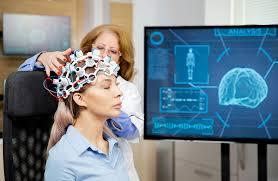
An electroencephalogram is a non-invasive diagnostic procedure that records electrical signals produced by the brain. Small sensors called electrodes are attached to the scalp using a suitable conductive material. These electrodes detect brain activity, which is displayed as wave patterns for a trained professional to interpret.
Unlike imaging procedures that produce pictures of internal structures, an EEG records patterns of electrical activity. It can provide useful information when a doctor suspects certain neurological conditions.
An eeg test in bangalore may be advised as part of an assessment for symptoms such as suspected seizures, unexplained episodes of lost awareness, or specific sleep-related concerns.
What Can an EEG Help Identify?
Doctors may recommend this investigation to:
-
Support the evaluation of epilepsy and suspected seizures.
-
Investigate certain episodes of altered consciousness.
-
Assess unusual neurological events.
-
Monitor brain activity in selected hospital settings.
-
Investigate particular sleep-related conditions.
An EEG does not diagnose every neurological condition, and a normal result does not always rule out epilepsy or other problems. The findings must be interpreted alongside symptoms, medical history, and other investigations.
When Should You Consider an EEG Assessment?
The decision to undergo testing should come from a qualified healthcare professional. Several symptoms may prompt a doctor to investigate brain activity, although these symptoms can have different causes.
For example, a person experiencing repeated episodes of staring, unexplained movements, sudden loss of awareness, or periods of confusion may need a neurological assessment.
An eeg test in bangalore may also be recommended when a doctor needs additional information after reviewing a patient's symptoms or previous medical reports.
Seek urgent medical attention for a first seizure, a seizure lasting five minutes or longer, repeated seizures without recovery, breathing difficulties, or a serious injury during an episode.
How to Prepare for an EEG Test
Following the preparation instructions provided by the diagnostic facility can help the appointment run smoothly. Requirements vary depending on the type of EEG being performed.
Before the Appointment
Consider these practical steps:
-
Wash your hair: Arrive with clean, dry hair and avoid oils, heavy conditioners, or styling products unless instructed otherwise.
-
Review your medications: Tell the healthcare team about all medicines and supplements you take. Never stop prescribed medication unless your doctor specifically instructs you to do so.
-
Follow sleep instructions: Some EEG examinations require reduced sleep the night before. Follow these instructions only when advised.
-
Ask about meals and caffeine: Check whether any dietary or caffeine restrictions apply to your specific appointment.
-
Bring relevant records: Previous neurological reports, prescriptions, and details of recent episodes may help your healthcare team understand your medical history.
When arranging an eeg test in bangalore, confirm the appointment time, preparation requirements, and expected reporting schedule in advance.
What Happens During the Procedure?
An EEG is generally painless and does not involve electric shocks. The electrodes record the brain's natural electrical signals rather than sending electricity into the brain.
During the procedure, a technician may measure your head and attach the electrodes to selected scalp locations. You will usually sit in a chair or lie comfortably while the recording takes place.
You may be asked to close your eyes, open them, breathe deeply for a short period, or look at a flashing light, depending on the doctor's instructions and the type of examination. These activities can help reveal particular patterns of brain activity.
A routine EEG commonly takes around 20–40 minutes for recording, although the complete appointment may take longer. Sleep EEGs, ambulatory monitoring, and video EEG studies may require additional time.
An eeg test in bangalore generally does not require recovery time, and most people can return to their usual activities afterward. However, if you have undergone sleep deprivation or have experienced seizures, ask your healthcare team whether you should arrange transport home.
Choosing a Suitable Diagnostic Facility
Before booking a neurological investigation, consider the practical and professional aspects of the service. Choosing a facility that provides the type of recording your doctor requested is important.
Check the following points:
-
Availability of routine, sleep, or prolonged EEG studies when required.
-
Qualified technical staff and appropriate clinical interpretation.
-
Clear instructions for preparation and arrival.
-
Transparent information about charges and report turnaround times.
-
Accessibility, appointment availability, and patient support.
When comparing options for an eeg test in bangalore, prioritise whether the facility can meet your doctor's specific requirements rather than relying on location or price alone.
Understanding Your EEG Results
An EEG report may describe normal electrical patterns or identify abnormalities that require further evaluation. The significance of a finding depends on the patient's symptoms, age, medical history, and the circumstances in which the recording was obtained.
Some abnormalities can support a diagnosis of epilepsy, but an EEG result should not be interpreted in isolation. Your doctor may recommend additional tests, longer monitoring, or follow-up appointments if necessary.
Discuss the report with the healthcare professional who requested the examination. They can explain the findings in context and advise whether further investigation or treatment is appropriate.
Conclusion
An EEG can provide valuable information about electrical activity in the brain and support the investigation of certain neurological symptoms. Knowing what happens during the procedure, how to prepare, and how results are interpreted can help patients approach the appointment with greater confidence.
If your doctor recommends an eeg test in bangalore, confirm the required examination, follow the preparation instructions, and discuss the results with your healthcare professional. Timely assessment and appropriate follow-up can help guide decisions about your neurological care.
Frequently Asked Questions
1. Is an EEG test painful?
No. The procedure is generally painless. Some people may experience mild discomfort when the electrodes are attached or removed, but the recording itself should not hurt.
2. How long does an EEG examination take?
A routine recording often takes around 20–40 minutes. Sleep studies and prolonged monitoring may take considerably longer.
3. Can I eat before the procedure?
In many cases, normal meals are allowed. However, instructions can vary depending on the examination, so confirm the requirements with your diagnostic facility.
4. Does a normal EEG mean there is no neurological problem?
Not necessarily. Some conditions may not produce detectable abnormalities during a short recording. Your doctor will interpret the result alongside your symptoms and other clinical information.
5. Can children undergo EEG testing?
Yes. EEG examinations are commonly used to investigate certain neurological concerns in children. Preparation and the procedure may be adapted to the child's age and needs.
- Technology for Students
- Admissions & Applications
- Online Courses
- Career and Jobs
- Campus Life
- Drinks
- Film
- Fitness
- Food
- Jogos
- Gardening
- Health
- Início
- Literature
- Music
- Networking For Students
- Insights
- Party
- Religion
- Shopping
- Sports
- Theater
- Wellness
- Education News
- Business & Finance For Students
- Security, Law & Crime Education
- Insurance
- Science & Technology For Students
 Portuguese (Brazil)
 English
 Arabic
 French
 Spanish
 Portuguese
 Deutsch
 Turkish
 Dutch
Dutch
 Italiano
 Russian
 Romaian
 Greek
Greek