


Which Maotian 1" Air Impact Wrench Features Matter to Buyers
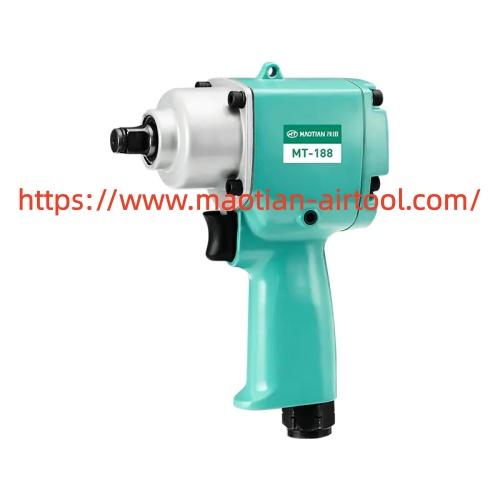
1" Air Impact Wrench equipment plays an important role in demanding industrial jobs where large fasteners, heavy machinery, and frequent maintenance require suitable fastening tools. For automotive service centers, commercial vehicle repair facilities, construction equipment workshops, and industrial maintenance teams, selecting the right pneumatic tool involves more than checking its rated torque. Buyers also need to consider operating conditions, access limitations, compressed air capacity, handling comfort, and maintenance requirements before choosing equipment for daily operations.
Industrial work often involves components that are difficult to loosen by hand. Truck wheel assemblies, machinery frames, construction equipment, and large mechanical connections may contain tightly secured fasteners exposed to dirt, moisture, vibration, and temperature changes. Under these conditions, powered fastening equipment can help technicians carry out removal and installation tasks with less manual effort. However, the tool must match the size of the fasteners and the demands of the application. A model designed for light workshop repairs may not suit the requirements of heavy vehicle servicing or large equipment maintenance.
Torque is one of the main specifications buyers should examine. It describes the rotational force available for loosening or tightening fasteners, although actual results depend on several operating factors. Fastener condition, thread friction, socket fit, working pressure, and the duration of operation can all influence performance. Buyers should compare the rated figures provided by manufacturers with the requirements of their intended applications. They should also distinguish between loosening torque and tightening requirements rather than assuming that one specification determines suitability for every task.
The compressed air system deserves equal attention during equipment selection. A suitable compressor, correctly sized hose, compatible fittings, and stable working pressure help maintain consistent operation. If the supply cannot provide the required pressure and airflow, the tool may perform below its rated capability. Long hoses, restrictive connectors, and poorly maintained filters can also affect operating conditions. Before placing a bulk order, workshop managers can review their existing compressor capacity and confirm compatibility with the selected model. These checks help reduce unnecessary adjustments after the equipment reaches the workplace.
Handling design is another consideration for technicians who perform repetitive maintenance. Heavy duty equipment may be used around truck wheels, industrial machinery, and large assemblies where operators need a secure grip and practical positioning. Handle shape, overall weight, trigger placement, and auxiliary support can influence how comfortably a technician controls the tool. An extended anvil may provide additional reach in certain applications, while a shorter configuration may suit work where clearance is limited. Choosing the appropriate structure helps teams match the equipment to their working environment instead of relying on a single configuration for every job.
Manufacturers also need to consider durability and service requirements when developing products for professional users. Housing materials, internal mechanisms, component tolerances, and lubrication arrangements all contribute to how equipment performs under repeated use. Regular inspection can help identify worn sockets, loose fittings, damaged hoses, unusual vibration, or declining output before these issues interrupt a maintenance schedule. Operators should follow the supplied instructions for lubrication and servicing, disconnect the compressed air supply before carrying out maintenance, and use compatible impact rated sockets. Appropriate eye and hearing protection should also be part of the workshop safety procedure.
For distributors and industrial purchasing teams, product selection involves more than technical specifications. Packaging, replacement component availability, documentation, order quantities, and communication with the manufacturer may influence the overall purchasing process. Buyers handling several customer segments may need different models for truck repair, equipment servicing, and production maintenance. Comparing these requirements before ordering can help distributors build a more suitable product range and provide clearer recommendations to their customers. Requesting product drawings, specification sheets, and operating guidance can also support internal evaluations and purchasing decisions.
As a pneumatic tool manufacturer, Maotian provides product options for different fastening applications, including heavy vehicle maintenance and industrial equipment servicing. Buyers can compare drive configurations, rated torque, handle designs, and other technical details according to their operational needs. Careful product selection, a compatible compressed air system, and consistent maintenance practices all contribute to practical equipment management. Businesses planning to update their workshop tools or source products for distribution can review the available models and specifications at https://www.maotian-airtool.com/product/ to identify options that align with their working conditions and purchasing requirements.
- Technology for Students
- Admissions & Applications
- Online Courses
- Career and Jobs
- Campus Life
- Drinks
- Film
- Fitness
- Food
- Игры
- Gardening
- Health
- Главная
- Literature
- Music
- Networking For Students
- Insights
- Party
- Religion
- Shopping
- Sports
- Theater
- Wellness
- Education News
- Business & Finance For Students
- Security, Law & Crime Education
- Insurance
- Science & Technology For Students
 Russian
 English
 Arabic
 French
 Spanish
 Portuguese
 Deutsch
 Turkish
 Dutch
Dutch
 Italiano
 Romaian
 Portuguese (Brazil)
 Greek
Greek