


Why Spinal Health Matters for an Active Lifestyle
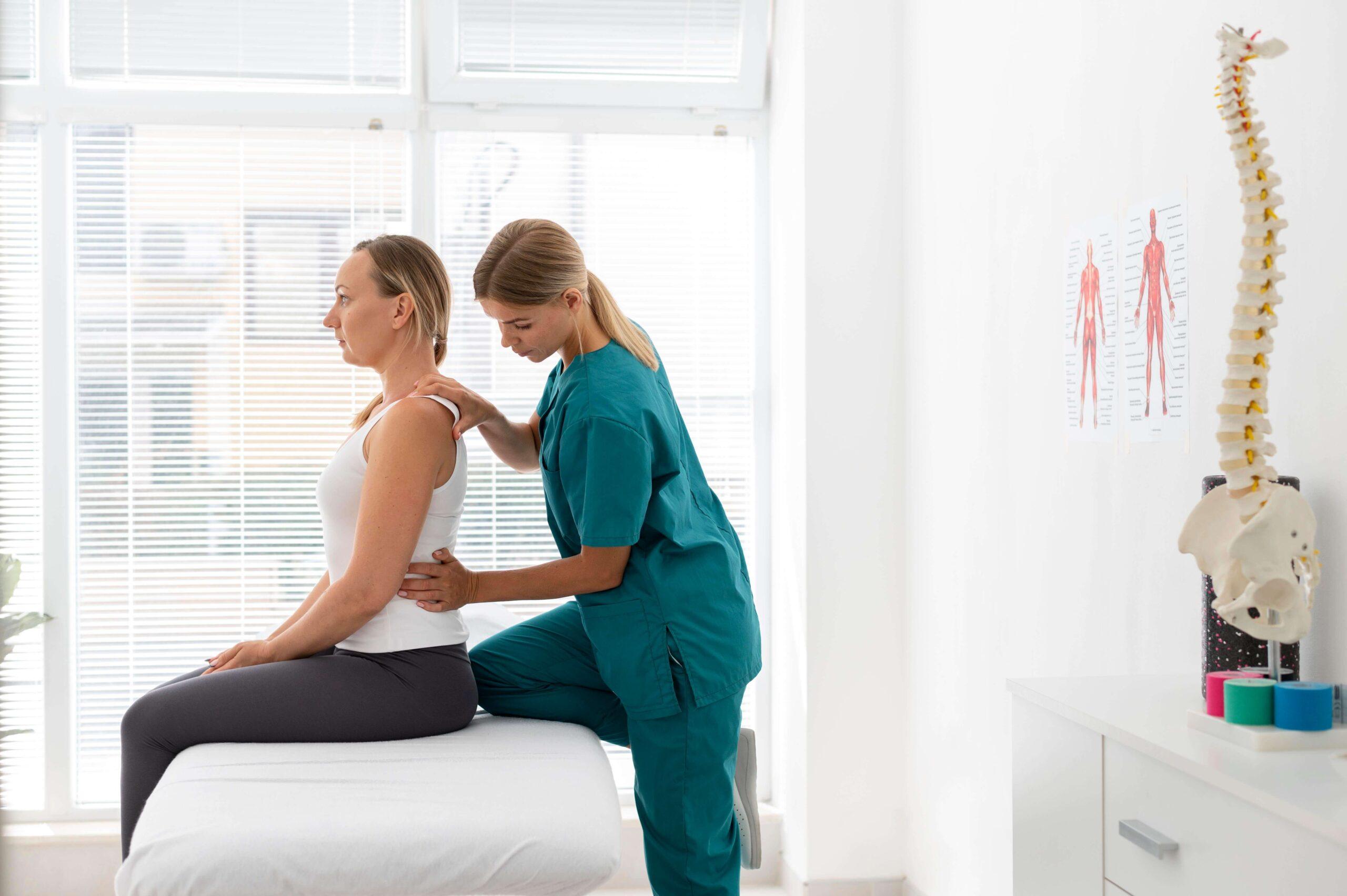
The Spine at the Center of Every Active Movement
Physical activity, in all its forms, depends on a functioning spine. Running, cycling, swimming, playing team sports, lifting weights, hiking, and even yoga all require the spine to perform its dual role as a stable structural support and a flexible movement facilitator. When the spine performs these roles effectively, physical activity feels natural, powerful, and sustainable. When spinal health is compromised, activity becomes effortful, painful, and eventually unsustainable.
Many active people do not think about their spinal health until pain or injury interrupts their training. This reactive approach misses the opportunity to maintain the spinal function that supports active living before dysfunction develops. Understanding why spinal health matters for an active lifestyle motivates the proactive approach that produces the best long-term outcomes.
How the Spine Supports Physical Performance
The spine contributes to physical performance through three interconnected roles. Its structural role provides the stable foundation from which the limbs generate force. Its mobility role allows the trunk rotation, flexion, extension, and lateral movement that most athletic activities require. Its neurological role transmits the motor commands and sensory feedback that govern coordinated movement throughout the entire body.
When any of these roles is compromised, physical performance suffers. A spine with reduced rotational mobility limits the power generation available for throwing, swinging, and striking movements. A spine with poor stabilization capacity reduces the efficient force transfer between upper and lower body during running and jumping. A spine with compromised neurological transmission reduces the motor control and proprioceptive accuracy that athletic coordination requires.
Regular professional spine care maintains all three of these roles by keeping spinal joints mobile, spinal stabilizing muscles well-coordinated, and the neurological environment of the spinal column free from the mechanical interference that joint restriction and misalignment create.
Common Spinal Issues Among Active People
Active people are not immune to spinal dysfunction. In fact, the repetitive loading patterns of specific sports and activities create characteristic spinal stress concentrations that generate predictable injury patterns. Understanding these patterns helps active individuals recognize early warning signs before they become significant problems.
Runners commonly develop lumbar dysfunction at the L4-L5 and L5-S1 levels due to the repetitive extension-loading of running gait. Cyclists develop cervical and thoracic dysfunction from sustained forward-flexed riding positions. Swimmers develop shoulder and cervical problems from repetitive stroke mechanics. Overhead athletes including tennis players and volleyball players develop thoracic rotation restrictions that impair stroke and serve mechanics.
These sport-specific spinal stress patterns are not inevitable. Active people who maintain regular spinal care that addresses these characteristic patterns before they generate pain and dysfunction sustain their physical performance far more consistently than those who wait for pain to indicate a problem.
The Relationship Between Spinal Restriction and Injury Risk
Joint restriction in the spine does not produce symptoms only locally. It alters movement mechanics throughout the kinetic chain in ways that increase injury risk in structures far from the restricted segment. A restricted thoracic spine that limits rotation forces the lumbar spine to compensate by rotating more than it should during rotational activities. This compensatory lumbar rotation increases lumbar disc and facet loading, contributing to the lower back pain that affects so many rotational sport athletes.
A restricted cervical spine alters shoulder mechanics during overhead movements. When cervical mobility is insufficient to accommodate the head position required for overhead reaching, the shoulder compensates with additional elevation and anterior glide. This compensatory shoulder mechanics increases the impingement risk for rotator cuff structures. Treating the shoulder without addressing the cervical restriction that is driving the compensatory mechanics produces incomplete and temporary results.
Posture, Spinal Health, and Athletic Performance
Athletic performance depends on efficient movement mechanics. Efficient movement mechanics requires good postural alignment as a foundation. The spine that is maintained in good postural alignment through consistent professional care allows muscles to work within their optimal mechanical ranges. Power output is maximized because muscles are functioning at appropriate length-tension relationships. Energy expenditure is minimized because compensatory muscular efforts are not needed to manage structural dysfunction.
Postural dysfunction reduces athletic performance in measurable ways. Forward head posture limits cervical mobility and reduces the proprioceptive accuracy of the cervicogenic sensory system, affecting balance and coordination. Thoracic hyperkyphosis limits thoracic rotation and shoulder mobility, reducing power in rotational and overhead movements. Anterior pelvic tilt and increased lumbar lordosis alters hip mechanics, reducing gluteal power output and increasing lumbar loading.
Chiropractic care that progressively corrects these postural patterns improves athletic performance through the mechanical improvements that better alignment enables. Many active people discover that addressing spinal health through regular professional care produces performance improvements they had not expected alongside the injury prevention and pain relief they sought.
Neurological Contributions of Healthy Spinal Function
The neurological dimension of spinal health is often underappreciated in discussions of athletic performance. The spinal cord and its nerve roots are the transmission pathway for every motor command and sensory signal that governs coordinated movement. The quality of this transmission depends on the mechanical environment of the spinal column through which these signals travel.
Joint restriction and misalignment create mechanical stress near neural tissues that degrades signal quality. Proprioceptive information from muscles and joints becomes less accurate. Motor commands from the brain reach muscles with reduced fidelity. The result is subtly reduced motor control and coordination that, while not immediately dramatic, accumulates into meaningful performance limitation and injury vulnerability over time.
Maintaining optimal spinal alignment and joint mechanics through regular professional care keeps the neural transmission pathways functioning at full capacity. Proprioceptive accuracy remains high. Motor control quality is maintained. The neuromuscular coordination that athletic performance depends on continues to operate efficiently throughout the years of active competition and recreation.
A trusted chiropractic clinic that works with active populations understands these neurological dimensions of spinal health alongside the more obvious structural and mechanical ones. Look for practitioners who evaluate neurological function as part of their assessment and who can explain how their treatment supports the neurological as well as the structural components of your athletic performance.
Recovery, Adaptation, and Spinal Care
Physical training produces adaptation through cycles of controlled stress and recovery. The adaptation that improves performance occurs during the recovery phase, not during the training phase itself. Anything that improves recovery quality also improves the rate and completeness of training adaptation. Regular spinal care contributes to recovery quality in several meaningful ways.
Reduced spinal restriction decreases the neurological burden of accumulated mechanical stress. When the spine is functioning well, the nervous system operates more efficiently. The parasympathetic rest-and-digest state that is prerequisite for tissue repair and training adaptation is more accessible. Active people who maintain regular spinal care often report recovering more quickly from demanding training sessions and competitions.
Soft tissue work integrated into chiropractic care addresses the muscular and fascial components of recovery alongside the joint and neurological dimensions. Myofascial release, trigger point therapy, and other soft tissue approaches reduce the tissue tension and adhesion formation that impairs muscular recovery between training sessions.
Long-Term Active Living and Spinal Health Investment
The most important reason to prioritize spinal health as an active person is the long-term investment dimension. The spinal health you maintain now determines your physical capacity decades from now. Degenerative changes that are accelerated by poor mechanical environment accumulate silently until they produce symptoms. By the time significant spinal degeneration is symptomatic, significant structural changes have already occurred.
Regular professional spinal care that maintains joint mobility, promotes appropriate mechanical loading, and addresses soft tissue health slows this degenerative progression. Active people who invest in regular spinal care consistently maintain their physical capacity and activity levels further into life than those who do not. This longevity of active living is perhaps the most compelling reason to take spinal health seriously before symptoms demand attention.
Final Thoughts on Spinal Health and Active Living
Spinal health is not a separate concern from athletic performance, injury prevention, and active lifestyle sustainability. It is central to all of them. The spine that is maintained in optimal function through regular professional care supports better performance, lower injury risk, more complete recovery, and longer sustained active capacity. Invest in your spinal health now, and your active lifestyle will reflect that investment generously for years and decades to come.
- Technology for Students
- Admissions & Applications
- Online Courses
- Career and Jobs
- Campus Life
- Drinks
- Film
- Fitness
- Food
- Games
- Gardening
- Health
- Home
- Literature
- Music
- Networking For Students
- Insights
- Party
- Religion
- Shopping
- Sports
- Theater
- Wellness
- Education News
- Business & Finance For Students
- Security, Law & Crime Education
- Insurance
- Science & Technology For Students
 English
 Arabic
 French
 Spanish
 Portuguese
 Deutsch
 Turkish
 Dutch
Dutch
 Italiano
 Russian
 Romaian
 Portuguese (Brazil)
 Greek
Greek