


What Can Buyers Confirm with dicovalve Before Ordering?
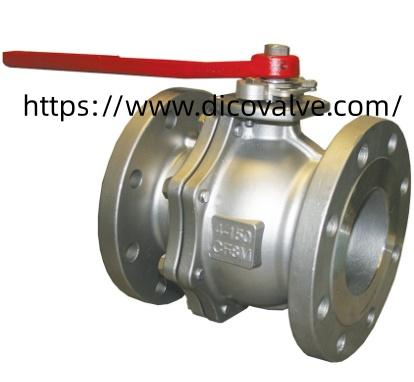
Stainless Steel Flanged Ball Valve selection begins with a clear understanding of pipeline specifications, working conditions, and installation requirements. Buyers should identify the process medium, operating pressure, temperature range, connection dimensions, and documentation needs before requesting a quotation. Reviewing these factors helps procurement teams communicate their requirements and assess whether a proposed configuration suits the intended application. As an industrial manufacturer, dicovalve provides product information for customers evaluating different pipeline projects.
Establish the Application Requirements
Before contacting a manufacturer, determine the equipment's intended role within the pipeline system. A new installation, a replacement project, and a system modification may require different configurations or connection arrangements.
Prepare information about nominal pipe size, operating pressure, temperature range, fluid type, and expected operating frequency. If the system experiences pressure fluctuations or changing process conditions, include those details in the inquiry.
The installation environment should also be considered. Outdoor exposure, humidity, chemical contact, and limited maintenance access can affect product selection. Providing a detailed description of the application gives the manufacturer a clearer basis for reviewing the request.
Where available, include piping drawings, existing equipment specifications, or project documentation. These materials can help clarify technical requirements before purchasing decisions are finalized.
Evaluate Material Grades and Compatibility
Different material grades have different mechanical and corrosion-related properties. Buyers should confirm the specified grade and check whether it suits the process medium and operating environment.
Important considerations include chemical concentration, temperature, exposure duration, and cleaning procedures. For applications involving corrosive substances, additional technical assessment may be necessary before approving a proposed configuration.
The internal components also require attention. The stem, seats, and seals serve different purposes, and their materials must be compatible with the intended service conditions. The suitability of a complete assembly depends on the interaction between its components rather than the body material alone.
If the project requires material certificates or traceability records, specify these needs during the quotation stage. Buyers can provide operating details to dicovalve to clarify which available configurations require further technical review.
Verify Connection Dimensions and Standards
A dimensional mismatch can complicate installation and increase project workload. Buyers should check the nominal size, flange dimensions, facing type, pressure designation, and bolt hole arrangement before approving the product.
Industrial piping projects may reference standards such as ASME or EN. Since their dimensional requirements can differ, the applicable standard should be identified in the project documentation and communicated clearly to the manufacturer.
For replacement applications, compare the proposed dimensions against existing equipment drawings. Check available installation space, nearby piping, and access to operating components. These considerations can influence whether the selected configuration fits the site layout.
If the original connection information is incomplete, request measurements or technical clarification before placing the order. Resolving dimensional questions early helps reduce avoidable adjustments during installation.
Confirm Operating Limits and Sealing Requirements
Buyers should review the permitted pressure and temperature ranges specified for the particular model. A pressure rating should not be considered independently of temperature, material selection, and product design.
The sealing arrangement must also suit the process medium. Seat and seal materials can respond differently to chemicals, temperature variations, and operating cycles, so compatibility should be assessed against the actual service conditions.
Explain whether the system requires frequent operation, extended periods in one position, or operation under changing pressure. These details help identify the technical questions that need further discussion.
If the project specifies leakage acceptance criteria or particular testing procedures, include them in the purchasing documents. Agreeing on inspection expectations in advance gives the buyer and manufacturer a shared reference for product verification.
Review Inspection Records and Maintenance Access
Quality documentation should be clarified before production begins. Depending on the project, buyers may require dimensional inspection results, material documentation, pressure test reports, or other specified records.
Ask the manufacturer which inspections apply to the selected model and which documents can be supplied. Requirements vary between applications, so the documentation package should be confirmed rather than assumed.
Maintenance access is another practical factor. Check whether operators can reach the handle or actuator and whether nearby equipment could obstruct routine inspection or servicing. Considering access during selection can help avoid problems after installation.
Packaging and transport arrangements also deserve attention, especially for long-distance shipments. Protection for flange surfaces and clear product identification can support receiving, storage, and site installation.
Compare Quotations and Manufacturer Support
When comparing suppliers, buyers should use consistent technical specifications for every quotation. Differences in materials, dimensions, accessories, testing arrangements, and documentation may explain variations in price.
Ask manufacturers about available configurations, customization options, production schedules, packaging, and delivery arrangements. If the project has special requirements, clarify how technical changes will be reviewed and approved before manufacturing begins.
Before issuing a purchase order, compare the quotation with the datasheet and approved drawings. Confirm the size, material grade, connection standard, quantity, and required documentation across all relevant records.For purchasing teams reviewing industrial pipeline equipment, dicovalve provides product information to support initial research and technical discussions. Visit https://www.dicovalve.com/product/ to review available products and prepare the specifications relevant to your project. Clear communication about operating conditions, connection requirements, and inspection needs helps buyers and manufacturers align expectations before the order proceeds.
References
- Technology for Students
- Admissions & Applications
- Online Courses
- Career and Jobs
- Campus Life
- Drinks
- Film
- Fitness
- Food
- Games
- Gardening
- Health
- Home
- Literature
- Music
- Networking For Students
- Insights
- Party
- Religion
- Shopping
- Sports
- Theater
- Wellness
- Education News
- Business & Finance For Students
- Security, Law & Crime Education
- Insurance
- Science & Technology For Students
 English
 Arabic
 French
 Spanish
 Portuguese
 Deutsch
 Turkish
 Dutch
Dutch
 Italiano
 Russian
 Romaian
 Portuguese (Brazil)
 Greek
Greek