


How Does Thai Massage Support Muscle Recovery After Intense Exercise?
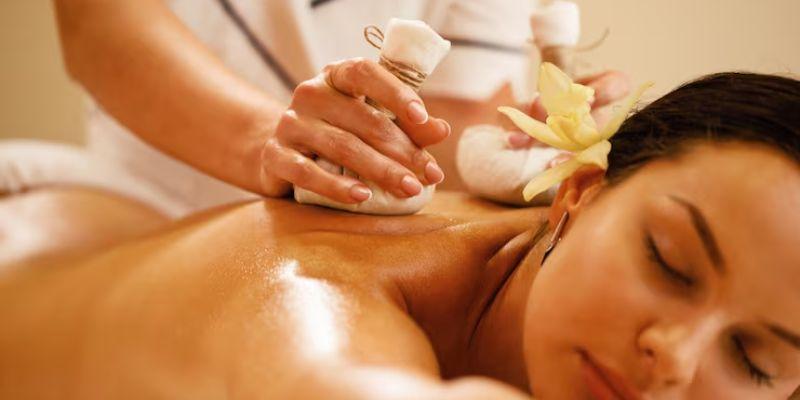
Intense exercise places considerable demands on the muscles, tendons, and other soft tissues involved in movement. Activities such as weight training, running, cycling, and competitive sports can leave the body feeling tired, tight, or sore. These responses are often part of the body's normal adaptation to physical exertion. However, recovery requires more than simply stopping exercise. Adequate sleep, balanced nutrition, hydration, and appropriate rest all contribute to helping the body return to its usual level of comfort and function.
Why Muscles Feel Sore After Intense Exercise
Muscle soreness commonly develops after unfamiliar or strenuous physical activity, particularly exercises that involve controlled muscle lengthening, such as lowering weights or running downhill. This delayed onset muscle soreness, commonly called DOMS, may begin several hours after exercise and become more noticeable during the following one to three days. The affected muscles can feel tender, stiff, or uncomfortable when moving.
During intense exercise, muscles experience mechanical stress as they produce force repeatedly. The body responds through a series of repair and adaptation processes that help muscles adjust to future physical demands. Temporary soreness does not necessarily indicate an injury, but severe pain, unusual swelling, significant weakness, or symptoms that worsen instead of improving should not be dismissed as ordinary post exercise soreness.
How Muscle Recovery Depends on Movement and Rest
Recovery involves restoring the body's ability to move comfortably and perform physical activities without excessive fatigue. Rest allows the body to repair tissues, while suitable movement can help reduce the feeling of stiffness that develops after long periods of inactivity. Gentle walking, light mobility exercises, and gradual stretching may be useful when the soreness is mild.
The amount of recovery needed varies according to exercise intensity, training experience, sleep quality, nutrition, and overall physical condition. Someone returning to exercise after a long break may experience more soreness than a person accustomed to the same activity. Increasing training intensity gradually and allowing sufficient time between demanding workouts can help reduce unnecessary strain.
How Thai Massage May Help With Post Exercise Stiffness
Thai massage combines rhythmic pressure, assisted stretching, and guided body movements. Depending on the technique and individual comfort, these movements may help a person feel less restricted in areas affected by general muscular tightness. The combination of pressure and movement can also encourage relaxation, making ordinary movements feel more comfortable when stiffness is associated with physical exertion.
For people experiencing post workout tightness, Thai Massage in Chennai may be relevant when exploring bodywork as one part of a broader recovery routine. Its potential value lies in the experience of reduced tension and improved comfort rather than a guaranteed effect on muscle repair. Research on massage suggests that it may provide modest relief from delayed onset muscle soreness in some circumstances, although findings vary according to the technique used, treatment timing, and individual response.
It is important to distinguish temporary relief from actual tissue recovery. Feeling less sore does not necessarily mean that muscles have completely recovered or are ready for another demanding workout. Training decisions should consider strength, movement quality, fatigue, and the severity of any remaining symptoms rather than relying on reduced soreness alone.
The Relationship Between Flexibility and Muscle Comfort
Muscular tightness can make everyday movements feel difficult after a demanding workout. For example, runners may notice discomfort when bending their legs, while people who perform resistance training may find reaching overhead or turning their shoulders less comfortable than usual. These sensations can arise from several factors, including temporary soreness, fatigue, and reduced tolerance for movement.
Assisted stretching, which is commonly incorporated into Thai massage, moves the body through selected ranges of motion with external guidance. This may help some individuals experience an immediate improvement in perceived flexibility or ease of movement. However, the effect can differ between people, and a temporary increase in flexibility should not be interpreted as proof that damaged muscle tissue has healed.
People who regularly participate in strength training, recreational sports, or physically demanding activities may consider Thai Massage in Velachery when looking into options for managing general muscular tightness. The suitability of any bodywork depends on the person's symptoms, exercise history, and physical condition. Movements should remain comfortable, without forceful stretching or pressure over painful areas.
Why Relaxation Matters During Physical Recovery
Physical exertion affects more than the muscles alone. Intense training can leave people feeling mentally tired, particularly when combined with demanding work schedules, inadequate sleep, or frequent competition. Persistent stress may also interfere with sleep quality and make it harder to maintain a consistent recovery routine.
Relaxation can support recovery indirectly by helping people unwind and establish better conditions for rest. Massage may provide a calming sensory experience, and some people report feeling more relaxed after receiving it. However, evidence that massage directly improves athletic performance, accelerates tissue repair, or produces substantial changes in stress related hormones remains limited or inconsistent.
Sleep remains especially important because the body carries out essential repair and adaptation processes during rest. Maintaining regular sleep times, eating enough to support training demands, and drinking sufficient fluids can contribute to recovery. Massage should complement these basic measures rather than replace them.
People with recent injuries, fractures, significant inflammation, bleeding disorders, or other relevant health conditions should seek appropriate medical advice before receiving massage. Forceful pressure and deep stretching may aggravate certain problems, especially when the source of pain has not been identified. A qualified healthcare professional can help determine whether massage is appropriate and whether exercise should be temporarily modified.
Those experiencing persistent stiffness after regular workouts may also consider whether their training programme includes enough recovery time. Repeatedly exercising the same muscle groups at high intensity without sufficient rest can contribute to prolonged fatigue and reduced performance. Adjusting workload, improving technique, and addressing possible movement limitations may be more useful than repeatedly trying to relieve the symptoms.
Building a Balanced Approach to Exercise Recovery
Effective recovery depends on understanding the difference between normal muscular fatigue and symptoms that require attention. Gentle movement, adequate sleep, sufficient nutrition, hydration, and sensible training progression form the foundation of a sustainable routine. Massage may offer additional comfort for some people, particularly when general tension or stiffness makes movement less pleasant.
For individuals exploring bodywork options, Thai Massage in Anna Nagar may be considered as part of an approach that prioritises muscular comfort and relaxation. The important consideration is whether the techniques are suitable for the person's current condition, rather than assuming that a particular massage will produce the same result for everyone.
Ultimately, muscle recovery is a gradual process influenced by exercise demands, personal health, and everyday habits. Paying attention to changes in soreness, maintaining realistic training expectations, and allowing enough time for rest can help people return to physical activity more comfortably. When pain is unusual, severe, or persistent, identifying its underlying cause is more important than attempting to relieve it through massage alone.
- Technology for Students
- Admissions & Applications
- Online Courses
- Career and Jobs
- Campus Life
- Drinks
- Film
- Fitness
- Food
- Jocuri
- Gardening
- Health
- Home
- Literature
- Music
- Networking For Students
- Insights
- Party
- Religion
- Shopping
- Sports
- Theater
- Wellness
- Education News
- Business & Finance For Students
- Security, Law & Crime Education
- Insurance
- Science & Technology For Students
 Romaian
 English
 Arabic
 French
 Spanish
 Portuguese
 Deutsch
 Turkish
 Dutch
Dutch
 Italiano
 Russian
 Portuguese (Brazil)
 Greek
Greek