


Common Causes of Recurring Sports Injuries
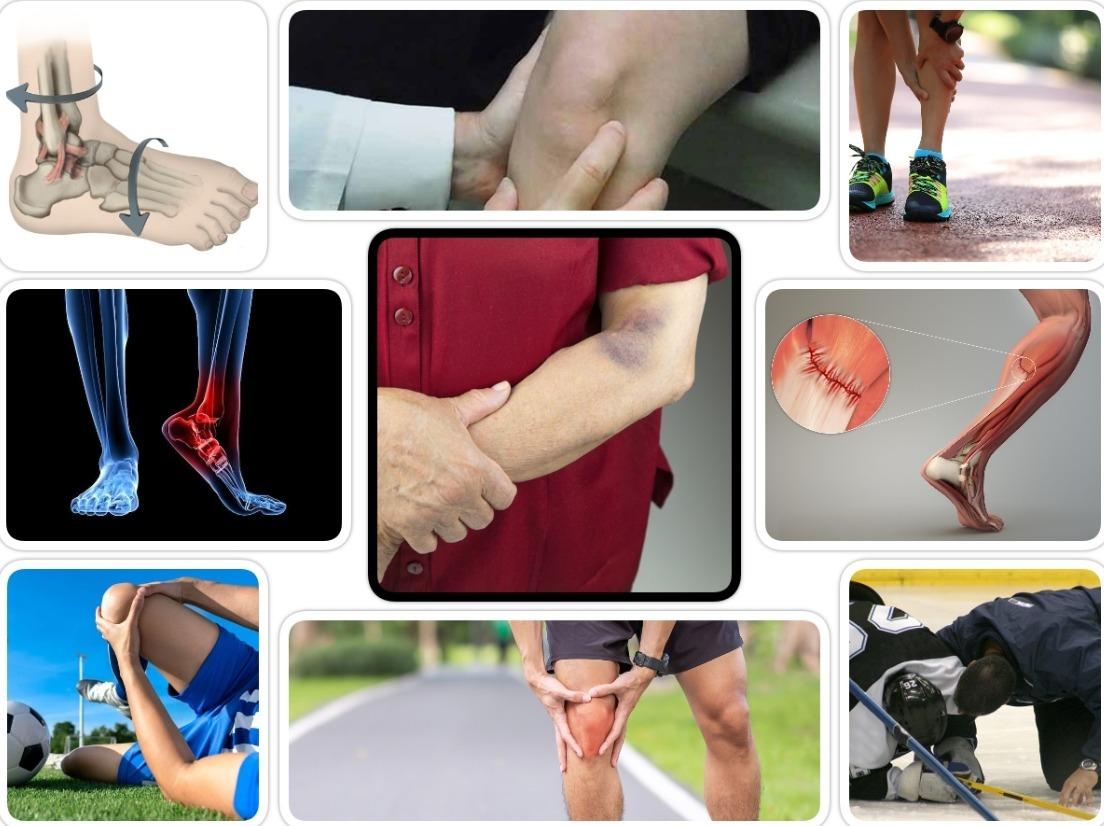
Recurring sports injuries are one of the most frustrating experiences an athlete can face. You work through a painful injury, follow a rehabilitation program, return to sport, and then the same injury happens again. This pattern is both physically damaging and psychologically discouraging. It suggests that something in the original injury or recovery process was not fully addressed. Understanding why sports injuries recur is essential for breaking the cycle and achieving genuinely durable athletic health.
Recurring injuries are not simply bad luck or the inevitable consequence of hard training. They have identifiable causes that, once understood, can be systematically addressed. Incomplete rehabilitation, biomechanical dysfunction, inadequate recovery, and training load errors are among the most significant contributors. Each of these causes deserves careful attention and targeted professional management. Addressing them comprehensively is the only way to achieve the durable athletic health that allows consistent participation over a long career.
Incomplete Rehabilitation After the Initial Injury
The most common cause of recurring sports injuries is returning to activity before full rehabilitation is complete. Many athletes interpret the absence of pain as evidence of complete recovery. This interpretation is fundamentally flawed. Pain is often the last symptom to appear during injury progression and the first to disappear during recovery. The structural and neurological deficits that produce injury vulnerability frequently persist long after pain has resolved.
Tissue healing requires time that athletes are often unwilling to allow. Ligament and tendon repair following injury proceeds through inflammatory, proliferation, and remodeling phases that take weeks to months. The remodeling phase, during which new collagen is organized for functional loading, is the longest and most important. Returning to full activity during this phase before the tissue has achieved adequate strength and organization significantly increases re-injury risk. Objective testing, rather than symptom resolution alone, should guide return-to-sport decisions.
Proprioception deficits are among the most significant and most commonly overlooked consequences of joint injury. The ligamentous mechanoreceptors that provide joint position sense are damaged during sprains and dislocations. These receptors are essential for the reflexive muscle activation that protects joints during dynamic athletic movement. When they are not fully rehabilitated, the protective responses that prevent injury under real athletic conditions are compromised. Balance and proprioceptive training is not optional in injury rehabilitation. It is essential for preventing recurrence.
Strength Deficits After Injury
Muscular strength and power deficits are almost universal following significant athletic injury. Muscle atrophy begins within days of injury and progresses rapidly during immobilization and reduced activity. These strength deficits persist even after pain-free range of motion has been restored. Athletes who return to sport with significant strength deficits perform at reduced capacity and face elevated re-injury risk. Return-to-sport criteria that include objective strength testing are far more reliable than symptom-based criteria alone.
Hamstring strength symmetry is a particularly important criterion for return to running and sprinting following hamstring injury. Research consistently shows that athletes with strength asymmetries between limbs are at significantly higher risk of hamstring re-injury. The limb symmetry index, which compares strength between the injured and uninjured limb, should exceed ninety percent before full return to sprint activity. Athletes and coaches who are unaware of this standard commonly return to full sprinting prematurely and experience the predictable consequence.
Biomechanical Dysfunction as a Recurring Injury Driver
Biomechanical dysfunction is a fundamental and often underappreciated cause of recurring sports injuries. When the body moves in patterns that place abnormal stress on specific structures, those structures are repeatedly damaged. The same abnormal loading that caused the original injury continues to stress the healed tissue during training and competition. Until the biomechanical cause is identified and corrected, the injury will keep recurring regardless of how many times it is treated.
Poor hip stability is one of the most common biomechanical contributors to recurring lower extremity injuries. Weakness in the hip abductors and external rotators allows the femur to adduct and internally rotate during single-leg loading. This movement pattern increases valgus stress at the knee and pronation at the foot. It is a contributing factor in ACL injuries, patellofemoral syndrome, IT band syndrome, and plantar fasciitis. Strengthening the hip abductors and external rotators fundamentally changes the loading environment for all of these vulnerable structures.
Ankle dorsiflexion restriction is another significant biomechanical contributor to recurring lower extremity injuries. When ankle dorsiflexion is limited, the body compensates during squatting and landing by collapsing the medial arch and adducting the knee. This compensatory strategy increases stress on the medial ankle structures, the knee, and the hip simultaneously. Joint mobilization to restore ankle dorsiflexion, combined with flexibility work for the gastrocnemius and soleus complex, eliminates this compensatory loading pattern. Many athletes experience resolution of recurring knee and foot injuries once ankle mobility is properly addressed.
An experienced sports chiropractor is uniquely qualified to identify and address the biomechanical dysfunctions that drive recurring injuries. Their training encompasses both the assessment of structural spinal dysfunction and the functional movement analysis needed to identify kinetic chain contributors to injury recurrence. Treatment addresses the spinal and extremity joint mechanics alongside the soft tissue and exercise components of comprehensive care. Athletes who work with qualified sports chiropractic practitioners break recurring injury cycles more effectively than those who focus only on the local injury site. The kinetic chain perspective is what makes sports chiropractic uniquely valuable for recurring injury management.
Training Load Errors and Overuse Recurrence
Training load errors are a primary driver of recurring overuse injuries in athletic populations. Overuse injuries develop when cumulative tissue loading exceeds the tissue’s adaptive capacity without sufficient recovery time. When an athlete returns from injury and rapidly increases training volume or intensity, the healed tissue is subjected to the same overloading that caused the original injury. The tissue fails again, often at the same location, and the cycle perpetuates.
Progressive overload must be genuinely progressive to allow tissue adaptation at each new load level. The ten percent weekly load increase guideline provides a framework, but individual variation in recovery capacity means that some athletes require more conservative progression. Internal training load measures including perceived exertion and heart rate variability provide valuable individual feedback. External load measures including distance, duration, and intensity provide objective data on the training stimulus. Combining both types of data produces the most accurate picture of training load and recovery status.
Periodic deload weeks during which training volume is significantly reduced serve an important protective function. They allow tissue repair and adaptation to consolidate before the next loading block begins. Many athletes and coaches omit deload weeks in the belief that they represent wasted training time. In reality, deloads are when much of the structural adaptation from previous training occurs. Athletes who include regular deload periods in their training programs consistently experience fewer overuse injuries than those who train without planned recovery phases.
Recovery Deficits as an Injury Recurrence Factor
Inadequate recovery between training sessions is a significant and underappreciated contributor to recurring athletic injury. Recovery encompasses both acute physiological restoration after individual sessions and longer-term tissue adaptation across training blocks. When recovery is insufficient at either timescale, tissue accumulates fatigue damage that increases vulnerability to injury. Athletes who train with persistently high fatigue accumulate tissue damage that eventually exceeds the threshold for injury recurrence.
Sleep is the most important recovery modality available to athletes. Growth hormone secretion during deep sleep drives muscle repair, connective tissue regeneration, and neural recovery. Athletes who consistently achieve less than seven to nine hours of quality sleep per night have significantly elevated injury rates. Sleep quality is as important as sleep quantity. Stress, alcohol consumption, excessive screen time before bed, and inconsistent sleep schedules all reduce sleep quality and impair the recovery that prevents injury recurrence.
Nutritional status profoundly influences tissue resilience and injury recurrence risk. Protein intake below recommended levels impairs the muscle and connective tissue repair that training demands. Collagen synthesis, which is required for ligament and tendon repair, depends on adequate vitamin C intake. Omega-3 fatty acid intake influences the inflammatory environment in which tissue repair occurs. Anti-inflammatory nutritional strategies support more complete recovery between training sessions and reduce the inflammatory burden that contributes to overuse injury recurrence.
Psychological Factors in Recurring Injury
The psychological dimension of recurring injury deserves greater attention than it typically receives. Fear-avoidance behavior, in which athletes protect injured areas through movement restriction and avoidance, impairs complete functional restoration. This avoidance maintains the motor pattern changes that injury creates and prevents the confident, unrestricted movement that athletic performance requires. Cognitive behavioral approaches help athletes reframe their relationship with the injured area and rebuild movement confidence progressively.
Re-injury anxiety is particularly common following significant injuries including ACL tears and fractures. Excessive anxiety about re-injury creates movement patterns that increase biomechanical risk. Athletes who are mentally prepared for return to sport perform with greater confidence and better movement quality. Psychological readiness assessments alongside physical readiness testing produce more complete and appropriate return-to-sport decisions. Practitioners who assess both dimensions of readiness serve their athletes more completely.
Conclusion
Recurring sports injuries have identifiable and addressable causes. Incomplete rehabilitation, biomechanical dysfunction, training load errors, inadequate recovery, and psychological factors all contribute. Breaking the cycle of recurring injury requires addressing each of these dimensions comprehensively. Generic treatment of the injury site without understanding the contributing factors leaves the conditions for recurrence entirely intact. Thorough professional assessment, targeted biomechanical correction, progressive rehabilitation, smart load management, and adequate recovery together produce the durable athletic health that every competitor deserves. Invest in comprehensive care and enjoy the consistent, injury-free athletic participation that such care makes possible.
- Technology for Students
- Admissions & Applications
- Online Courses
- Career and Jobs
- Campus Life
- Drinks
- Film
- Fitness
- Food
- الألعاب
- Gardening
- Health
- الرئيسية
- Literature
- Music
- Networking For Students
- Insights
- Party
- Religion
- Shopping
- Sports
- Theater
- Wellness
- Education News
- Business & Finance For Students
- Security, Law & Crime Education
- Insurance
- Science & Technology For Students
 Arabic
 English
 French
 Spanish
 Portuguese
 Deutsch
 Turkish
 Dutch
Dutch
 Italiano
 Russian
 Romaian
 Portuguese (Brazil)
 Greek
Greek