


What Materials Are Used in Eco-friendly Seamless Activewear
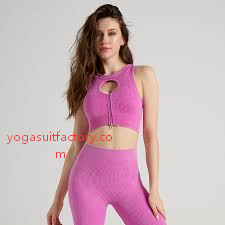
Fabrics decide how a garment feels during movement, and this holds true across every category of sportswear. Buyers who source Eco-friendly Seamless Activewear often begin with a simple question about materials, since the fiber blend determines stretch, breathability, and how the garment ages. YogasuitFactory, operated by Jinhua Yongxing Knitting, produces Eco-friendly Seamless Activewear and works with brands on material selection from the first sample. Have you thought about which fibers will carry your next collection through daily wear?
Recycled nylon appears in many seamless programs because it offers strength without weight. The fiber comes from post-industrial or post-consumer sources, which reduces demand for virgin petroleum-based material. Nylon resists abrasion and holds shape through repeated washing, two traits that matter for leggings and jumpsuits. Factories that knit seamless garments appreciate nylon for its ability to stretch and recover without losing structure.
Elastane, sometimes called spandex, provides the stretch that lets a garment move with the body. Even a small percentage changes how a fabric behaves, allowing it to expand during a squat and return to shape afterward. The ratio of elastane to nylon or polyester shapes how much compression a garment offers. Too little and the fabric sags; too much and it feels restrictive. Factories tune this ratio during sampling to match the intended activity.
Recycled polyester offers another path. It comes from plastic bottles and other post-consumer waste, which keeps material in circulation rather than in landfills. Polyester resists wrinkles and dries quickly, making it suitable for high-sweat activities. Blending it with elastane produces fabrics that hold color well and survive frequent laundering. Brands that emphasize sustainability often highlight recycled content in their marketing, and documentation from the mill supports those claims.
Organic cotton enters some seamless blends for its soft hand feel. Cotton breathes well and feels comfortable against skin, though it absorbs moisture rather than wicking it away. For low-intensity activities like yoga or casual wear, cotton blends can work well. The organic designation refers to farming practices that avoid synthetic pesticides, which appeals to consumers concerned about environmental impact.
Bio-based fibers represent a newer direction. Some manufacturers work with fibers derived from plant sources such as corn or castor beans. These materials reduce reliance on fossil fuels and can biodegrade under certain conditions. Availability and cost still limit wide adoption, but interest continues to grow as brands look for alternatives to conventional synthetics.
Seamless knitting changes how these materials perform together. Instead of cutting panels and sewing them, seamless machines knit a tube with zones of varying compression, breathability, and stretch. This approach reduces waste because there are fewer offcuts, and it eliminates seams that can chafe during movement. The yarns must work with the knitting process, which places demands on elasticity and consistency.
Certification supports material claims. Standards such as GRS for recycled content or OEKO-TEX for harmful substance testing give buyers evidence that materials meet specific criteria. Factories that hold these certifications can provide documentation that brands use in their own marketing and compliance work. Buyers who request certificates before ordering avoid claims that cannot be substantiated.
Dyeing and finishing affect the environmental profile as well. Water-based dyes and low-impact processes reduce chemical load compared with conventional methods. Some factories recover and reuse water during production. These choices add cost but align with the values that drive interest in eco-friendly activewear.
For brands building a collection, the practical step involves matching fiber blends to the intended use. A high-compression legging calls for different materials than a loose-fitting top, even when both carry the same sustainability positioning. Working with a supplier that shares documentation on fiber content and certifications gives brand teams something concrete to review before committing to production. Yongxing produces Eco-friendly Seamless Activewear and works with customers on fabric, color, and design choices, and the sports suit range at https://www.yogasuitfactory.com shows options for those planning a new line.
- Technology for Students
- Admissions & Applications
- Online Courses
- Career and Jobs
- Campus Life
- Drinks
- Film
- Fitness
- Food
- الألعاب
- Gardening
- Health
- الرئيسية
- Literature
- Music
- Networking For Students
- Insights
- Party
- Religion
- Shopping
- Sports
- Theater
- Wellness
- Education News
- Business & Finance For Students
- Security, Law & Crime Education
- Insurance
- Science & Technology For Students
 Arabic
 English
 French
 Spanish
 Portuguese
 Deutsch
 Turkish
 Dutch
Dutch
 Italiano
 Russian
 Romaian
 Portuguese (Brazil)
 Greek
Greek