


How Can Chiropractic Care Support Sports Injury Recovery?
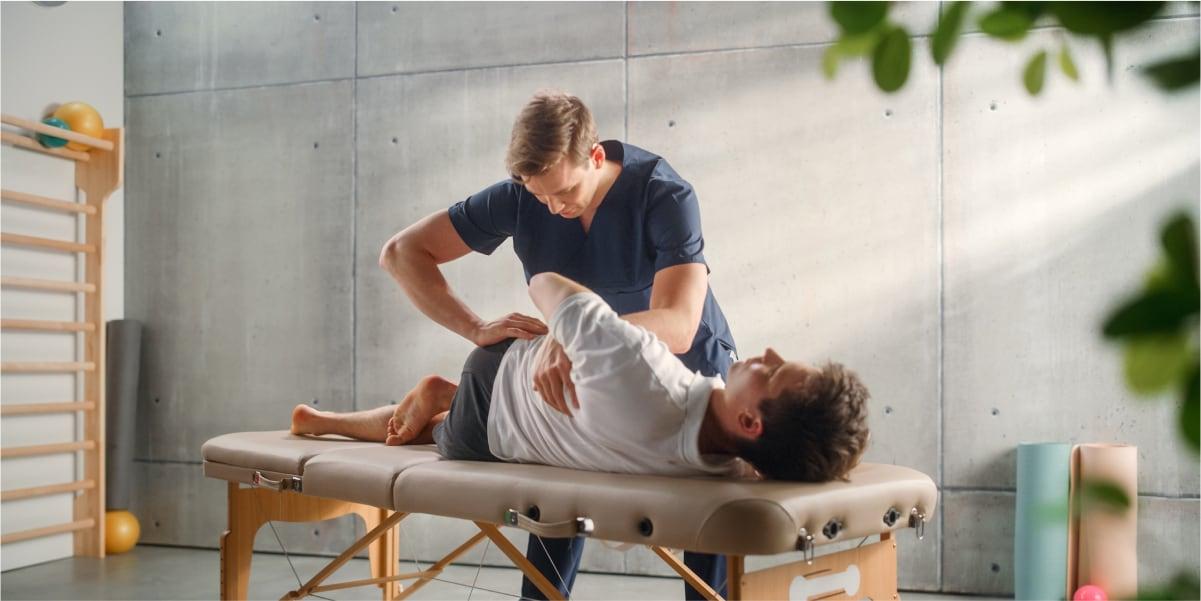
Sports injury recovery has evolved significantly from the simple rest-and-return approach that once characterized athletic rehabilitation. Modern sports medicine recognizes that effective recovery requires addressing multiple interconnected dimensions of the musculoskeletal system simultaneously. Structural integrity, neurological function, movement quality, and sport-specific conditioning must all be systematically restored. Chiropractic care, particularly in its sports-focused form, addresses several of these dimensions in an integrated and evidence-supported way. Understanding how chiropractic supports sports injury recovery helps athletes make more informed decisions about including it in their rehabilitation programs.
The Chiropractic Assessment of Sports Injuries
Effective chiropractic support for sports injury recovery begins with a comprehensive assessment that goes beyond the injured structure alone. Sports chiropractors evaluate the entire kinetic chain to identify the biomechanical contributors to the injury and the secondary dysfunctions that have developed in response to it. An ankle sprain is assessed not only at the ankle but through the knee, hip, pelvis, and lumbar spine. The compensatory movement patterns that develop to protect the injured ankle alter mechanics throughout the kinetic chain, creating secondary dysfunction that can become painful and limiting if not addressed.
The functional movement assessment component of sports chiropractic evaluation identifies specific movement quality deficits and asymmetries that increase injury risk and impair performance. Video-assisted gait analysis, single-leg movement assessment, and sport-specific movement testing reveal the functional consequences of the injury beyond simple structural damage. These functional findings guide the rehabilitation programming in ways that generic physical examination cannot. The athlete receives a recovery program designed around their specific movement deficits rather than a generic protocol for their injury category.
Imaging review and neurological assessment are integrated into the sports chiropractic evaluation when clinically indicated. Reviewing existing MRI or imaging findings allows the chiropractor to correlate structural findings with clinical and functional assessment outcomes. Neurological screening assesses the sensory and motor function that injury may have disrupted. This comprehensive initial assessment provides the diagnostic foundation for a genuinely individualized and targeted recovery program.
Spinal and Extremity Joint Adjustments in Sports Recovery
Spinal and extremity joint adjustments are a core clinical tool that sports chiropractors apply throughout the recovery process. Joint adjustment restores normal articular mobility to restricted joints and produces both mechanical and neurological therapeutic effects. The mechanical effect directly addresses the joint restriction that develops following injury through protective guarding and capsular tightening. The neurological effect stimulates joint mechanoreceptors and improves the proprioceptive signaling that is critical for dynamic joint protection during sport.
Spinal adjustments are particularly important in sports injury recovery because spinal dysfunction frequently contributes to the loading patterns that caused the peripheral injury. A runner who develops Achilles tendinopathy often has sacroiliac joint dysfunction and lumbar segmental restriction that alter their running mechanics. A swimmer who develops shoulder impingement often has thoracic spine restriction that limits the scapular mobility needed for efficient overhead movement. Addressing these spinal contributors through adjustment produces improvements in peripheral injury recovery that manual treatment of the peripheral structure alone cannot achieve.
Extremity joint adjustments target the specific joint restrictions that develop following sports injuries and complicate recovery. Subtalar and talocrural joint restrictions that develop after ankle sprains impair the foot mechanics needed for efficient running gait. Acromioclavicular and glenohumeral joint restrictions that develop after shoulder injuries limit the mobility needed for full sport-specific shoulder loading. Restoring normal extremity joint mobility through targeted adjustment enables more effective rehabilitation exercise and more complete functional return.
Soft Tissue Techniques and Their Recovery Contribution
Sports chiropractors integrate a comprehensive range of soft tissue techniques into their recovery programs alongside joint manipulation. These techniques address the muscular, fascial, and tendinous contributors to sports injury that joint adjustment alone cannot fully resolve. The combination of joint and soft tissue treatment produces more complete recovery outcomes than either approach used in isolation.
Active release technique is particularly well-suited to sports injury recovery. It combines precise manual contact on the affected muscle, tendon, or fascia with specific active movement of the joint or body part. This combination breaks down the adhesions and scar tissue that form during injury healing and impair tissue gliding and movement quality. Athletes with hamstring strains, rotator cuff conditions, and plantar fasciitis all benefit significantly from active release therapy applied to the relevant structures.
Instrument-assisted soft tissue mobilization provides a complementary approach for addressing fascial restrictions and tendinopathic tissue changes. The tools used in this technique allow the clinician to detect and treat tissue restrictions with greater specificity than manual palpation alone allows. The mechanical stimulation of instrument-assisted mobilization triggers fibroblast activity that contributes to improved collagen organization within healing tendons and fascial structures. Athletes with chronic tendinopathic conditions particularly benefit from this approach.
Dry needling of hypertonic and trigger point-affected muscles reduces the muscular tension and referred pain patterns that accumulate around sports injuries. The insertion of fine needles into trigger point regions produces local twitch responses that deactivate the trigger point and normalize muscle tone. Many athletes report immediate reductions in pain and improved movement quality following dry needling of the muscles involved in their injury pattern. This effect complements joint adjustment and produces a more complete reduction of the musculoskeletal dysfunction surrounding the injury site.
Progressive Rehabilitation Exercise Prescription
Sports chiropractic recovery programs integrate targeted rehabilitation exercise as an essential active component alongside manual treatment. Passive treatment alone is insufficient for complete sports injury recovery. The progressive loading of healing tissue, restoration of muscular strength and endurance, and development of sport-specific neuromuscular patterns all require systematic exercise programming that must be carefully graduated to match the stage of tissue healing.
Core stability rehabilitation is a foundational component of most sports injury recovery programs regardless of the specific injury location. The core stabilizing muscles provide the foundation for efficient force transfer throughout the kinetic chain during all athletic movements. Inadequate core stability contributes to the altered movement mechanics that underlie many sports injuries. A systematic progression from basic co-activation exercises to sport-specific loaded movements builds the core capacity that protects the recovering athlete from future injury.
Sport-specific movement rehabilitation in the late stages of recovery prepares the athlete for the specific demands of their sport in a controlled and progressive way. Cutting, jumping, throwing, or sprinting patterns are introduced at reduced intensity and progressively loaded toward game-speed demands. This progressive exposure to sport-specific movement allows the athlete to identify and address any remaining functional limitations before formal return to competition. The graduation of sport-specific loading builds both physical readiness and the psychological confidence that completes successful recovery.
Neurological Recovery and Proprioceptive Training
Restoring normal neurological function following sports injury is one of the most important and often most neglected aspects of complete recovery. Sports chiropractic care directly addresses neurological recovery through multiple mechanisms. Joint adjustments stimulate mechanoreceptors and improve afferent proprioceptive signaling from the treated joints. This improved neural input from peripheral joints enhances the central nervous system's ability to coordinate movement and protect joints during dynamic sporting activity.
Progressive balance and proprioceptive training programs are integrated into sports chiropractic recovery protocols. Single-leg balance on flat surfaces progresses to balance on unstable surfaces as the athlete's stability improves. Dynamic balance challenges that incorporate perturbation and reactive movement patterns restore the high-speed proprioceptive responses needed for safe return to sport. These exercises directly target the neuromuscular deficits that persist after tissue healing and are the primary drivers of re-injury risk in athletes who return to sport without completing full rehabilitation.
The spinal component of neurological recovery is addressed through the chiropractic evaluation and treatment of spinal segmental dysfunction. Spinal joint restrictions impair the proprioceptive signaling from spinal mechanoreceptors that contributes to overall neuromuscular coordination. Correcting these restrictions through spinal adjustment improves the quality of neural information available to the central nervous system during movement. This neurological improvement has benefits for athletic performance and injury prevention that extend beyond the specific injury being recovered from.
Integration With the Athletic Healthcare Team
Sports chiropractic care produces its best outcomes when integrated within a collaborative athletic healthcare team. Coordination between the sports chiropractor, physiotherapist, team physician, strength and conditioning coach, and sports psychologist ensures that each professional's contribution is aligned toward the shared recovery goal. The chiropractor addresses the spinal and peripheral joint dysfunction and soft tissue contributors to recovery. The physiotherapist manages specific rehabilitation exercise progression and functional movement assessment. The physician manages medical aspects including imaging interpretation and injection therapies when appropriate.
This collaborative model ensures that nothing important is missed in the recovery process and that each provider's contribution builds on the others. Many sports injury situations benefit from a combined chiropractic and physiotherapy approach where joint dysfunction, soft tissue treatment, and progressive functional rehabilitation are addressed simultaneously rather than sequentially. The athlete receives the benefits of multiple clinical disciplines within a coordinated recovery framework.
For athletes seeking comprehensive sports injury rehabilitation, professional sports injury chiropractic care from a qualified provider delivers a sport-specific, evidence-based recovery program that integrates spinal and extremity joint adjustment, advanced soft tissue techniques, progressive rehabilitation exercise, and collaborative coordination with other members of the athletic healthcare team to support the fastest and most complete recovery possible.
Measuring Recovery Progress and Guiding Return to Sport
Sports chiropractors use objective measurement tools throughout the recovery process to track progress and guide return-to-sport decisions. Range of motion measurements quantify improvements in joint mobility over successive sessions. Strength assessment using hand-held dynamometry or functional strength tests tracks the progression of muscular strength symmetry toward return-to-sport benchmarks. Functional movement quality assessments monitor the improvement in movement patterns that indicate recovery completeness.
Return-to-sport clearance is based on the athlete meeting specific, pre-defined functional benchmarks rather than simply achieving pain resolution. Strength symmetry of 90 percent or better between the injured and uninjured limbs is a widely adopted threshold for lower extremity return to sport. Functional hop tests at adequate performance levels confirm that the athlete can tolerate the dynamic loading demands of competitive sport. These objective criteria protect the athlete from premature return and provide the evidence base for confident clearance decisions.
Conclusion
Chiropractic care supports sports injury recovery through a comprehensive integration of joint adjustment, soft tissue therapy, progressive rehabilitation exercise, and neurological recovery strategies. The sports chiropractic assessment addresses the full kinetic chain rather than the isolated injury site, identifying the contributing factors that generic treatment misses. Collaborative integration with the broader athletic healthcare team ensures that every dimension of recovery is addressed within a coordinated and athlete-centered framework. Athletes who engage with properly structured sports chiropractic recovery programs consistently achieve more complete outcomes, reduced re-injury risk, and a return to sport that is both safe and genuinely performance-ready.
- Technology for Students
- Admissions & Applications
- Online Courses
- Career and Jobs
- Campus Life
- Drinks
- Film
- Fitness
- Food
- Jogos
- Gardening
- Health
- Início
- Literature
- Music
- Networking For Students
- Insights
- Party
- Religion
- Shopping
- Sports
- Theater
- Wellness
- Education News
- Business & Finance For Students
- Security, Law & Crime Education
- Insurance
- Science & Technology For Students
 Portuguese (Brazil)
 English
 Arabic
 French
 Spanish
 Portuguese
 Deutsch
 Turkish
 Dutch
Dutch
 Italiano
 Russian
 Romaian
 Greek
Greek