


Signage Installation Melbourne: What Businesses Should Know
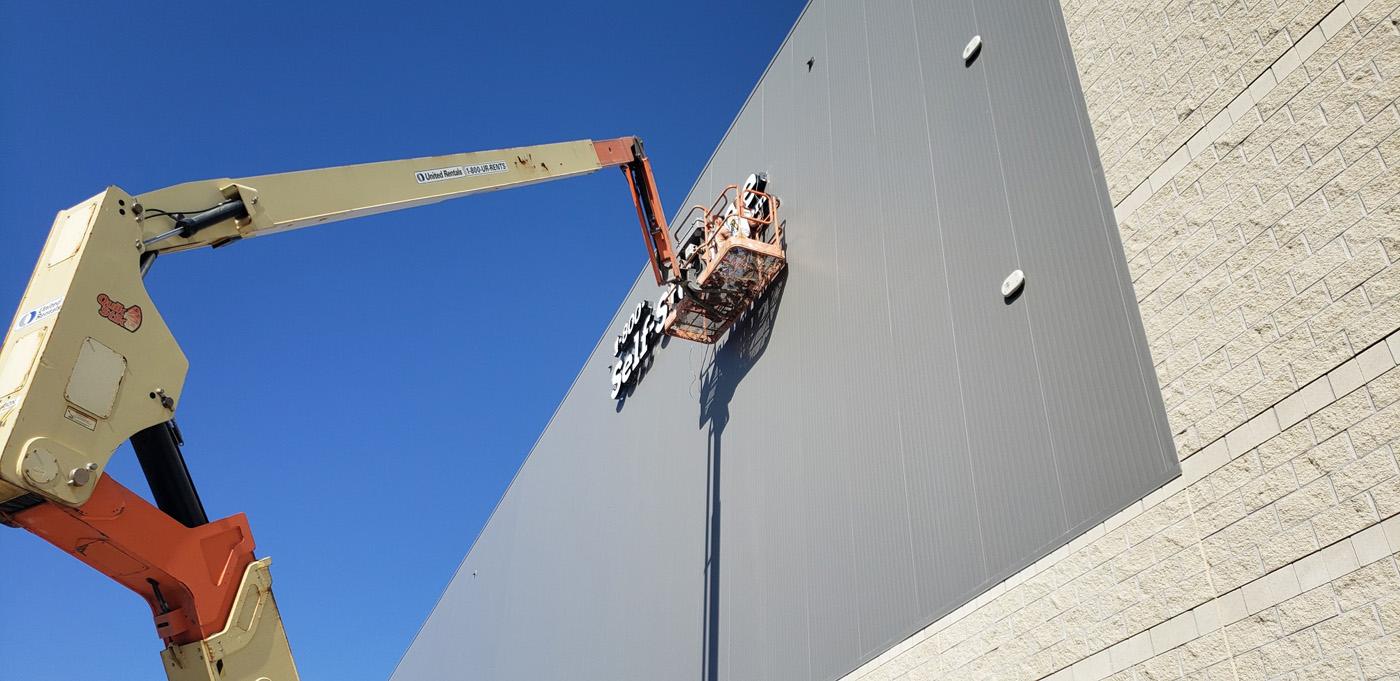
A business sign is often the first physical point of contact between a company and its customers. It identifies a premises, communicates a brand, and can help people locate the right entrance or service area. For this reason, Signage Installation Melbourne should be treated as a practical building project rather than simply attaching a finished sign to a wall.
The quality of an installation depends on several details, including the sign's construction, mounting surface, position, weight, access requirements, and exposure to weather. Good planning also considers how the sign will be cleaned, repaired, illuminated, or replaced in the future. Understanding these factors helps businesses make better decisions before installation begins.
Start With the Purpose of the Sign
Before choosing materials or mounting hardware, identify what the sign needs to accomplish.
Business Identification
A primary exterior sign should make the business easy to identify. Retail stores, offices, restaurants, clinics, and professional practices may use building fascia signs, individual letters, panels, or illuminated displays.
The viewing distance should influence letter size and layout. A sign intended to be read by passing pedestrians has different requirements from one designed for motorists approaching from a nearby road.
Customer Information
Some signs have a more specific purpose. Opening hours, reception signs, parking information, safety notices, and directional displays provide information rather than simply promoting a brand.
These signs should use straightforward wording and logical placement. A directional sign is most useful when customers can see it before they need to decide where to go.
Brand Presentation
Signage can also reinforce a company's visual identity. Logo proportions, typography, colours, materials, and finishes should be reproduced consistently across different signs.
Consistency is particularly important for businesses operating from multiple locations or occupying larger commercial premises.
Evaluate the Installation Site
One of the most important stages of Signage Installation Melbourne is assessing the site before selecting the final fixing method.
Examine the Supporting Surface
The visible surface does not always reveal what lies underneath it. A wall may contain brickwork, concrete, timber framing, steelwork, insulation, cladding, or other construction materials.
Different substrates require different anchors and fixing techniques. Using an unsuitable fixing system can compromise the stability of the sign.
Check the Available Space
Measurements should include more than the sign's width and height. The installer should consider surrounding doors, windows, lighting, architectural features, gutters, awnings, and existing signs.
Adequate clearance is also important for installation and future maintenance.
Consider Access
A sign located above a shopfront may require ladders, elevated work platforms, scaffolding, or other access equipment. The available space around the building can determine which option is practical.
Busy pedestrian areas may also require additional planning to keep installation activities controlled and safe.
Select an Installation Method That Fits the Sign
There is no single mounting system suitable for every project.
Direct Wall Mounting
Individual letters and smaller signs can sometimes be attached directly to a suitable wall. This approach can produce a clean appearance with relatively little visual hardware.
The wall must still be assessed for strength, condition, and suitability.
Spacer-Mounted Letters
Spacers position letters slightly away from the wall. This creates depth and can produce shadow effects that make dimensional lettering more prominent.
Accurate measurements are particularly important because uneven spacing can be noticeable from the street.
Brackets and Projecting Signs
Projecting signs extend from a building so that they can be viewed by people approaching along a footpath. Brackets need to be securely attached to an appropriate structural surface.
The sign's weight, projection, and exposure to wind should be considered when selecting the mounting system.
Freestanding Signs
Pylon, post-mounted, and other freestanding signs require attention to both the sign structure and its foundation. Ground conditions, dimensions, wind exposure, and placement can all affect the installation requirements.
Coordinate Design and Installation
Problems often occur when the sign is designed without considering how it will actually be installed.
A professional project should connect the design stage with practical installation requirements. For example, a large sign may look suitable on a digital drawing but become difficult to access once the available working space is considered.
The design should also allow reasonable access to components that may eventually require servicing. This is especially relevant to illuminated signage.
A Typical Installation Workflow
Although projects differ, a structured process usually makes installation easier to manage.
Site Inspection
The installer reviews measurements, surfaces, access, existing signage, and potential obstacles.
Final Measurements
Exact dimensions and mounting points are confirmed before fabrication or installation.
Surface Preparation
Old signs may be removed, surfaces cleaned, and damaged areas assessed. Any necessary preparation should be completed before the new sign is mounted.
Fixing and Alignment
Mounting points are established carefully. The sign is then secured using hardware appropriate to the substrate and load.
Alignment should be checked from normal viewing positions, not only from close range.
Electrical Connection
Where illumination is included, electrical components and connections need appropriate handling. The lighting system should be tested after installation.
Final Handover
The finished sign should be checked for stability, appearance, visibility, and functionality. The business should also understand any cleaning, maintenance, and warranty requirements.
Practical Benefits of Professional Installation
Better Long-Term Reliability
Correctly selected fixings reduce the risk of movement or detachment. This becomes particularly important for exterior signs exposed to wind and changing weather.
Cleaner Appearance
Professional measurement and alignment help produce even spacing, straight edges, consistent lettering, and properly positioned logos.
Easier Maintenance
A well-planned installation can make future cleaning, lighting repairs, or component replacement easier.
Reduced Project Disruption
Careful preparation helps installers anticipate access limitations and other site conditions. This can reduce unnecessary delays during business hours.
Better Use of the Signage Budget
The cheapest installation method is not necessarily the most economical over the entire life of a sign. Durable materials, suitable fixings, accessible components, and proper installation can reduce future repair costs.
Common Challenges and Considerations
Replacing Existing Signage
Old signs can leave behind holes, faded surfaces, adhesive residue, or damaged finishes. A replacement sign may also have different dimensions from the previous one.
Businesses should determine whether surface repairs or repainting are needed before the new sign is installed.
Uneven Walls
Rendered or older walls may not provide a perfectly flat mounting surface. Installers may need to use appropriate spacers or mounting arrangements to achieve a secure and visually balanced result.
Weather Exposure
Outdoor signs experience sunlight, rain, wind, temperature changes, and airborne dirt. Material selection should therefore reflect the conditions of the installation location.
Property and Approval Requirements
Businesses operating from leased or managed properties may need permission from a landlord, property manager, body corporate, or other relevant authority. Local signage requirements can also vary according to the location and type of sign.
These matters should be investigated before fabrication to avoid producing a sign that cannot be installed as planned.
How to Compare Signage Installation Quotes
A quotation should be assessed by its scope rather than price alone.
Ask whether the quote includes site preparation, removal of existing signage, installation hardware, access equipment, electrical work, transport, and final cleanup.
It is also useful to confirm the materials being supplied and the expected warranty arrangements. If maintenance is important, ask whether future servicing can be provided.
A detailed quotation makes it easier to compare different proposals because businesses can see what is actually included.
Frequently Asked Questions
1. What types of businesses use professional signage installation?
Almost any commercial property can require professional signage. Common examples include retail stores, restaurants, offices, warehouses, medical facilities, educational premises, and property developments.
2. Can a new sign be installed where an old sign was removed?
Often, yes. However, the installer should inspect the existing surface and mounting points first. Previous holes or surface damage may need attention.
3. What affects the cost of signage installation?
Factors can include sign size, materials, installation height, mounting surface, access equipment, electrical requirements, removal work, and project complexity.
4. Is illuminated signage more complicated to install?
It can be. In addition to mounting the sign, the project may involve electrical connections, lighting components, access for maintenance, and testing.
5. How should businesses prepare before the installer arrives?
Confirm the installation location, provide site access, remove obstacles where possible, arrange required property permissions, and ensure the final sign dimensions have been approved.
Conclusion
Successful Signage Installation Melbourne requires coordination between design, materials, building conditions, mounting methods, access, and future maintenance. A sign may look simple when viewed from the street, but its installation can involve careful measurements, structural considerations, specialist equipment, and detailed preparation.
Businesses can reduce avoidable problems by assessing the site early, selecting an appropriate installation method, checking the full quotation, and confirming relevant property requirements before fabrication. The result should not only look professional on installation day but also remain secure, functional, and maintainable throughout its service life.
The most useful approach is to view signage as a long-term part of the property. When design and installation are planned together, businesses can achieve signage that performs its intended function while fitting naturally into the building and surrounding environment.
- Technology for Students
- Admissions & Applications
- Online Courses
- Career and Jobs
- Campus Life
- Drinks
- Film
- Fitness
- Food
- Jogos
- Gardening
- Health
- Início
- Literature
- Music
- Networking For Students
- Insights
- Party
- Religion
- Shopping
- Sports
- Theater
- Wellness
- Education News
- Business & Finance For Students
- Security, Law & Crime Education
- Insurance
- Science & Technology For Students
 Portuguese
 English
 Arabic
 French
 Spanish
 Deutsch
 Turkish
 Dutch
Dutch
 Italiano
 Russian
 Romaian
 Portuguese (Brazil)
 Greek
Greek